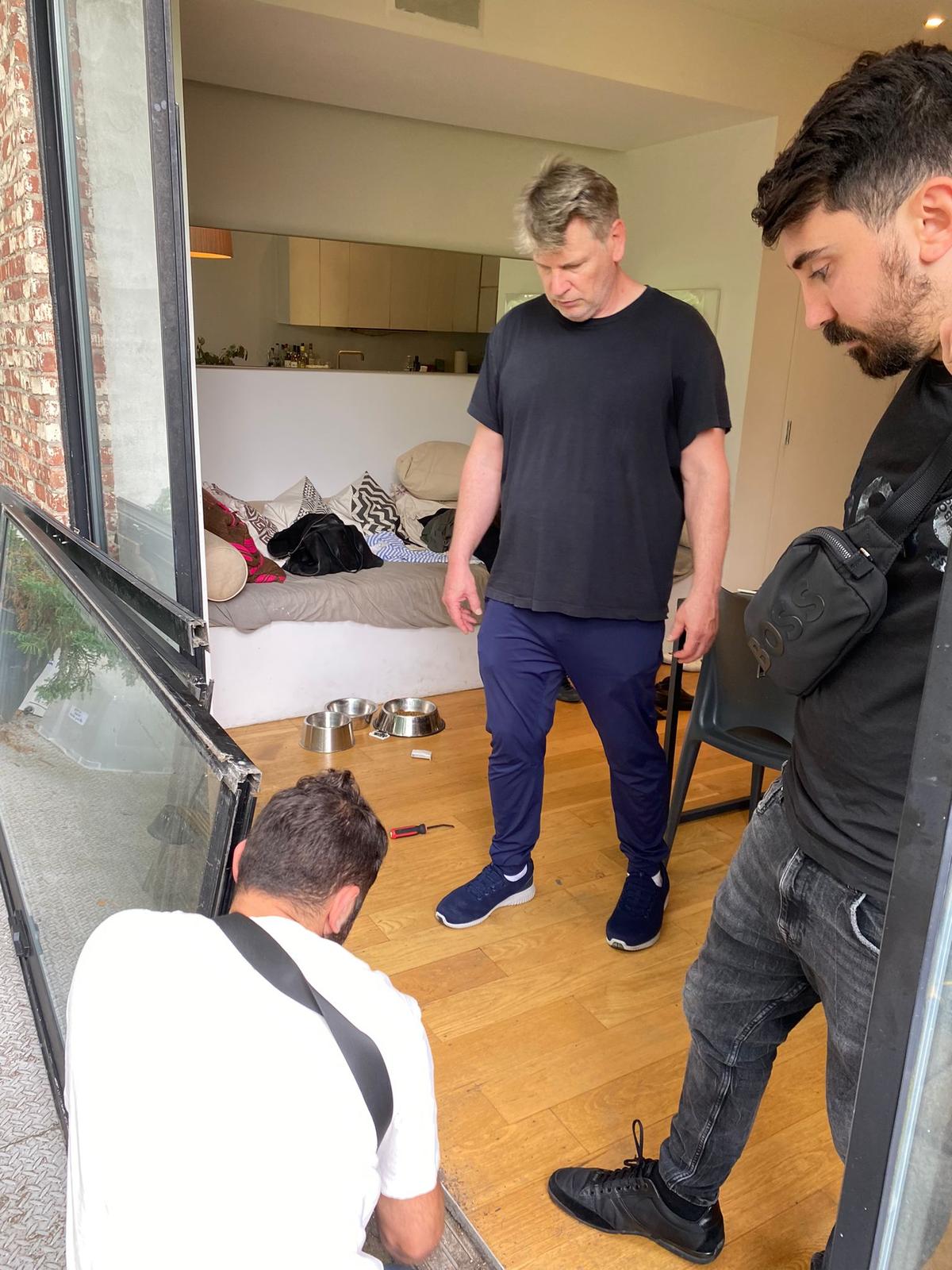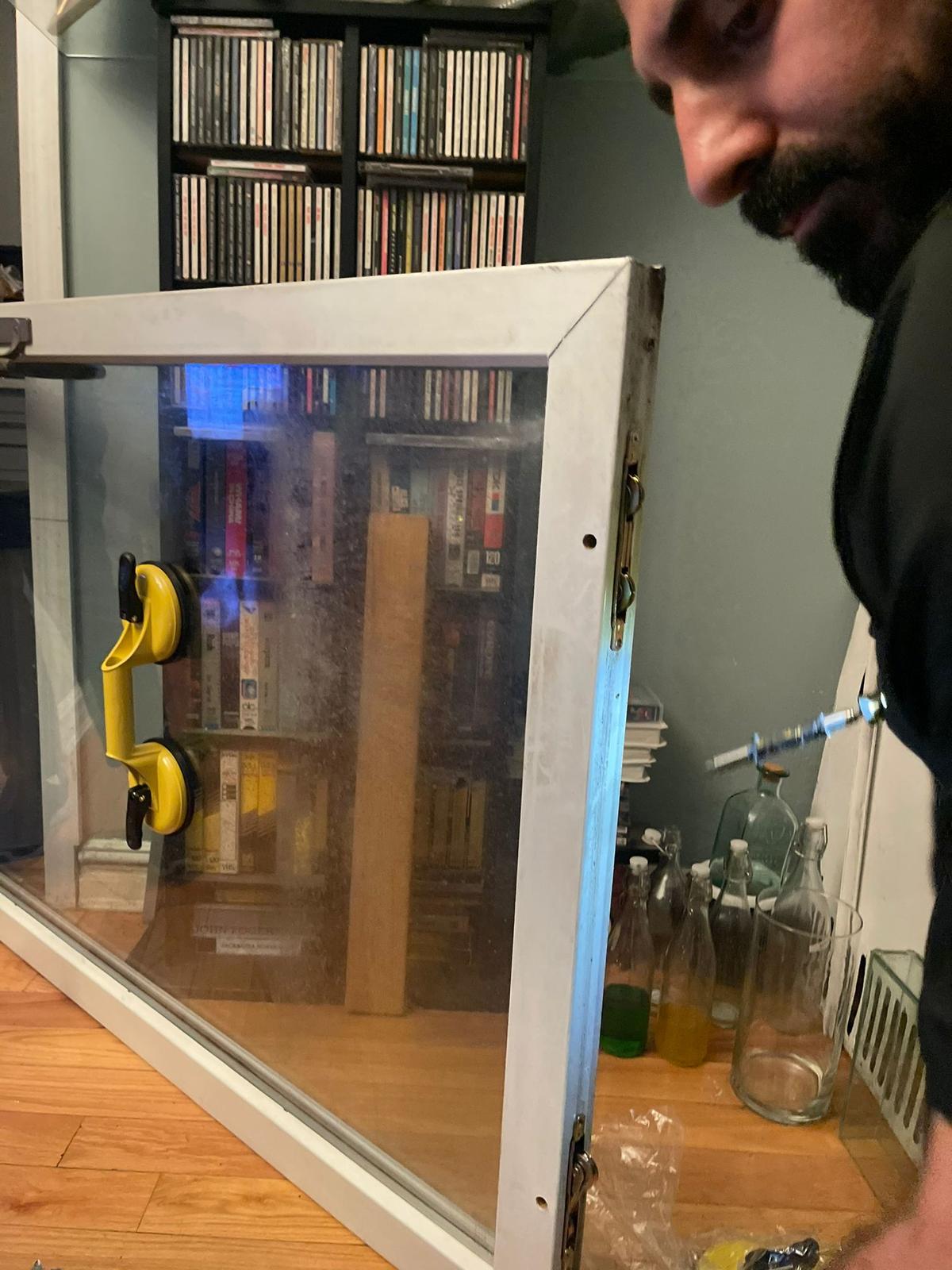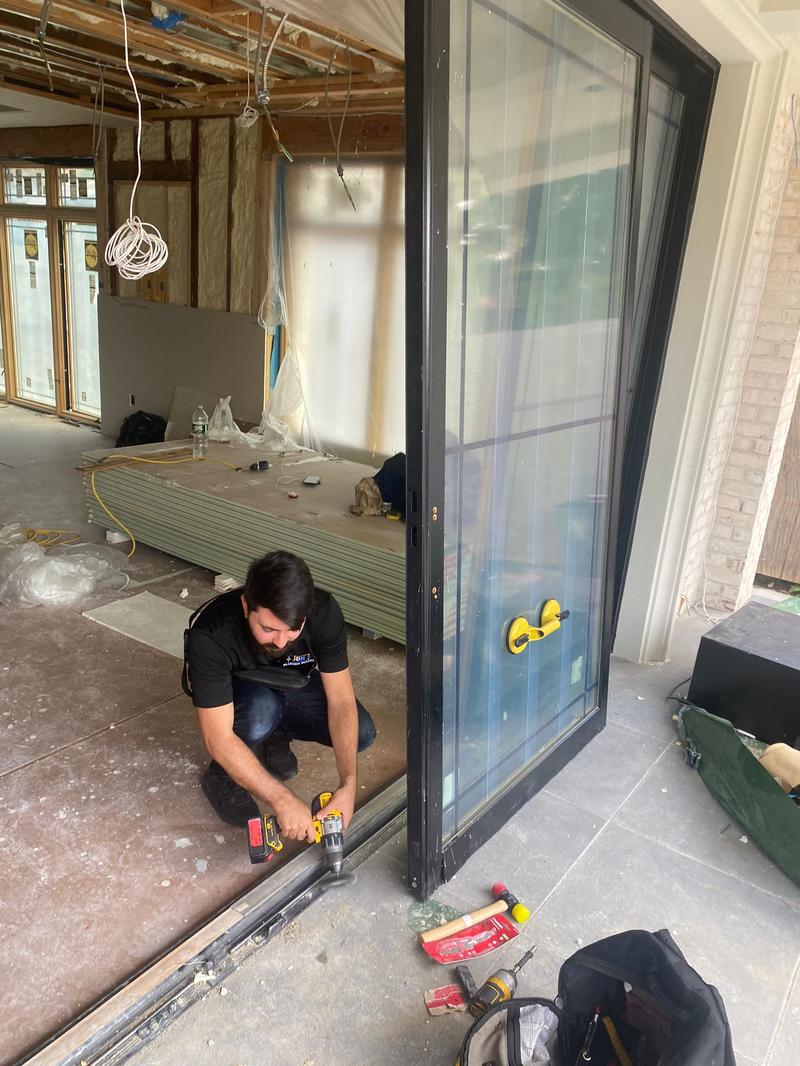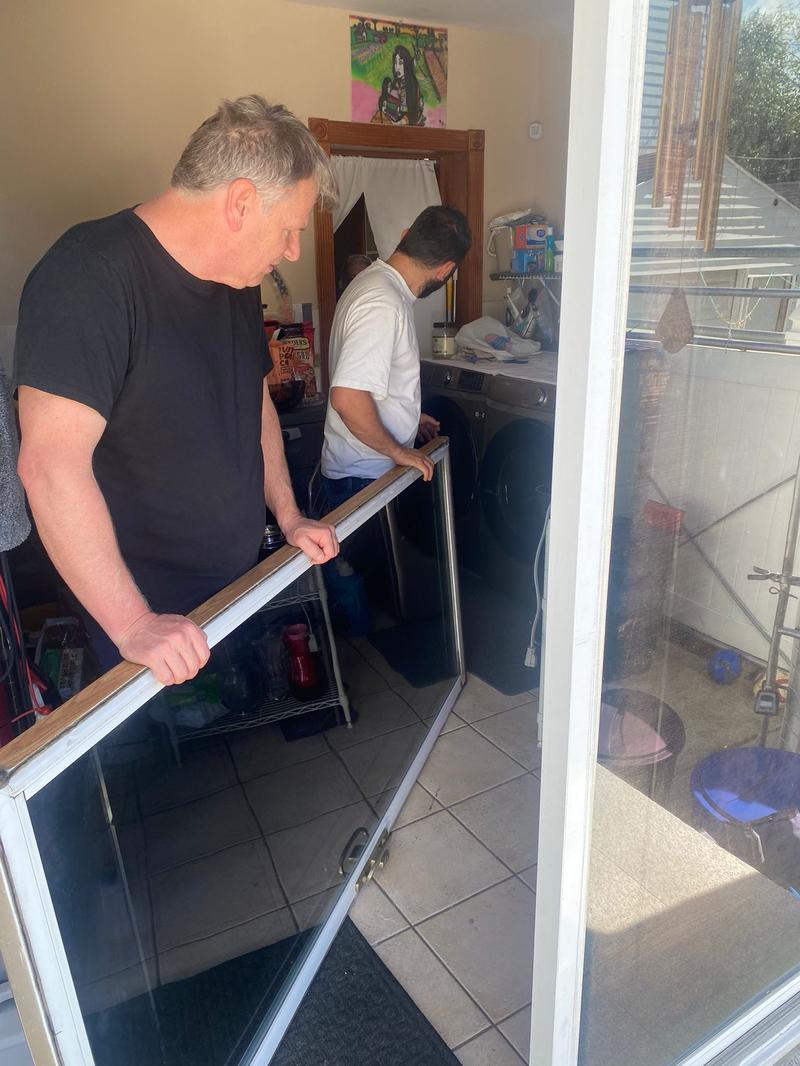
A sliding door off track can cause immediate inconvenience and may raise safety concerns if not handled correctly. Misalignment often occurs due to worn rollers, debris inside the track, or gradual structural movement. Understanding what causes the problem prepares you to respond quickly and safely, especially for homeowners exploring sliding door repair as the next step. Many homeowners initially try repositioning the door themselves, but incorrect handling can lead to further complications. Knowing the right steps and identifying when professional help is necessary ensures the door is restored properly.
Immediate Steps to Take When Your Sliding Door Falls Off the Track
If you are unsure what to do when your sliding door comes off the track, secure the panel immediately. A loose or partially detached door can shift suddenly, so avoid sliding or pulling it. Keeping the door steady prevents increased stress on the rollers and frame.
Inspect the Rollers and Track
Check the track and rollers for debris, worn parts, or bent metal. Use a soft brush to clear dust and small particles. Cracks, flattened rollers, or bent track sections should be handled by a trained technician.
Align the Door for Temporary Stability
If the door is slightly out of place, carefully guide it toward a stable resting position. Avoid full reinstallation attempts. Incorrect lifting or angling can cause deeper mechanical issues.
Check for Early Signs of Alignment Problems
Look for loose screws, small obstructions, or signs of frame movement. These clues help identify the cause, but deeper internal adjustments must be left to professionals.
Expert Insight on How to Fix a Misaligned Sliding Door
A door becomes misaligned when rollers wear down, the track bends, or the frame shifts slightly due to temperature changes or building movement. For a sliding glass door, even a small amount of misalignment affects how the door moves and can eventually cause it to slip off the track. Correcting the issue involves more than lifting the door and setting it back into place. The rollers, track conditions, spacing, and alignment angles all work together, and professionals look at each one carefully.
Proper correction involves more than simply lifting the panel and placing it back on the track. Each component must be evaluated to ensure long-term functionality.
How Professionals Diagnose the Misalignment
Technicians begin by locating the exact source of the issue. This involves:
- Inspecting rollers for flat spots, rust, or misalignment
- Checking the track for dents, bends, or obstructions
- Assessing the frame for structural movement
- Evaluating panel weight distribution
Through specialized tools and safe handling techniques, experts can remove the door without causing stress to the hardware.
Professional Steps to Correct the Alignment
Once the root problem is identified, professionals may:
- Adjust or replace worn rollers
- Realign or resurface warped track sections
- Correct spacing issues within the frame
- Ensure balanced weight distribution across the sliding system
These steps allow the door to glide smoothly and safely while minimizing future complications.
Why Expert Precision Matters
A trained professional ensures all mechanical elements work together correctly. Their approach reduces the risk of recurring issues and prolongs the lifespan of the entire sliding door system.
Common Causes Behind a Sliding Door Off Track
A sliding door off track issue often results from mechanical wear or environmental changes. Identifying the source helps determine whether a simple correction is enough or if a professional repair is required.
| Cause | What Happens | DIY? | Action |
|---|---|---|---|
| Roller Wear | Door tilts or slips | No | Replace rollers |
| Track Debris | Dirt blocks movement | Yes (basic cleaning) | Clean track |
| Frame Shifts | Alignment changes | No | Pro adjustment |
| Bent Track | Rollers can’t stay in place | No | Repair/replace track |
| Loose Hardware | The door becomes unstable | Yes (visible screws only) | Tighten screws |
Roller Wear and Damage
Rollers wear out over time. When they flatten, crack, or loosen, the door loses proper support and may tilt or slip off the track. Signs include scraping sounds, uneven sliding, and added resistance. Once rollers weaken, only a technician can restore smooth, balanced movement.
Track Obstructions
Dust, pet hair, and outdoor debris often collect in the track, increasing friction and pushing the rollers out of place. Light cleaning can help, but deeper debris or visible damage requires professional inspection. Frequent blockage may also point to structural issues.
Frame Shifts
Building movement, temperature changes, or settling can shift the frame slightly. Even small changes affect the spacing around the panel and track, making it harder for the door to slide smoothly. Frame shifts usually require a technician to diagnose and correct alignment.
Understanding these causes helps ensure accurate diagnosis and long-term sliding door performance. When structural movement is severe, a full sliding door replacement may be the safest choice.
Effective DIY Measures Before Calling Professionals
A few practical steps can help stabilize the situation while you arrange professional service. These measures are temporary and focus on preventing further misalignment or strain on hardware.
Clear the Track
Brush away dust, dirt, and debris. Even small particles can affect movement. If you see bent metal or deeper blockage, a technician should handle the repair.
Tighten Visible Hardware
Lightly tighten any loose screws on handles, brackets, or guide rails. If the handle feels hard to use or slips, a sliding door handle service may be needed. Avoid touching hidden hardware.
Check Roller Movement
If the door still moves slightly, watch how the rollers glide. Scraping, shaking, or uneven motion often means worn parts that need professional attention.
Know When to Stop
Stop immediately if the door becomes harder to guide or feels unstable. Forcing movement can cause full detachment or major damage.
Using simple DIY steps can help prevent further issues, but a trained technician is essential for complete, long-lasting sliding door repair.
When Urgent or Same-Day Service Is Necessary
Knowing the right time to call experienced technicians for sliding door track repair is essential for maintaining safety, preventing costly damage, and ensuring smooth long-term operation. Early intervention not only restores proper movement but also protects the structural integrity of your sliding door system.
If the sliding door creates a security concern or prevents proper access, requesting emergency repair or same-day service is highly recommended. Quick action helps:
- Restore safe entry and closure
- Prevent track, roller, or frame damage from worsening
- Reduce safety risks for homes and businesses
Urgent repairs ensure the door is stabilized before additional components are affected. Professionals also inspect alignment, track condition, hardware stability, and weight distribution to ensure lasting performance.
Why JDM Sliding Doors Is the Trusted Choice for Off-Track Sliding Door Repairs
When a sliding door begins sticking, dragging, or slipping out of alignment, turning to experienced specialists is the most effective way to protect your home and maintain safe functionality. Our company has expanded steadily over the years, growing from Florida into New York and California, along with major cities such as Dallas, Atlanta, Tampa, Orlando, and Naples Fort Myers. Such growth reflects a commitment to delivering dependable service wherever customers reside.
JDM Sliding Doors offers professional service backed by extensive expertise in resolving complex sliding door concerns. We remain dedicated to delivering solutions that restore safety and reliable movement. Contact us today or call now for support from a trusted team.
Frequently Asked Questions
Why does my sliding door keep coming off the track?
A sliding door often comes off the track when the rollers are worn, damaged, or misaligned. Dirt, debris, or bent tracks can also prevent the door from gliding smoothly, causing it to slip out of place.
Why does my sliding door keep dropping?
A sliding door may drop when the rollers lose height due to wear or when the adjustment screws loosen over time. A weakened frame or track damage can also contribute to sagging and uneven movement.
How to fix a door that’s dropped?
A dropped door usually requires roller adjustment to raise the panel back into proper alignment. In many cases, worn rollers need replacement to restore smooth and stable operation.
How to put a sliding door back in the track?
A sliding door must be lifted carefully and guided back onto the lower and upper track points, ensuring the rollers sit correctly. If alignment problems or damaged rollers prevent the door from staying in place, professional service is the safest option.
What is the common problem with sliding doors?
One of the most common problems involves roller wear, which leads to sticking, wobbling, or difficulty opening the door. Track damage, debris buildup, and misalignment are also frequent issues that affect smooth operation.