Grinding noises coming from a sliding door rollers are rarely random. Those sounds usually indicate internal wear that worsens with daily use. Dirt buildup, moisture exposure, and metal fatigue gradually affect how rollers move along the track. When friction increases, the door becomes harder to operate and places extra strain on surrounding components.
Ignoring early noise symptoms often leads to misalignment, damaged tracks, or sudden door failure. sliding door roller replacement addresses the source of grinding before secondary damage spreads. Understanding warning signs, common causes, and professional solutions helps homeowners protect both door performance and safety.
Grinding Sounds That Signal Roller Wear and Failure
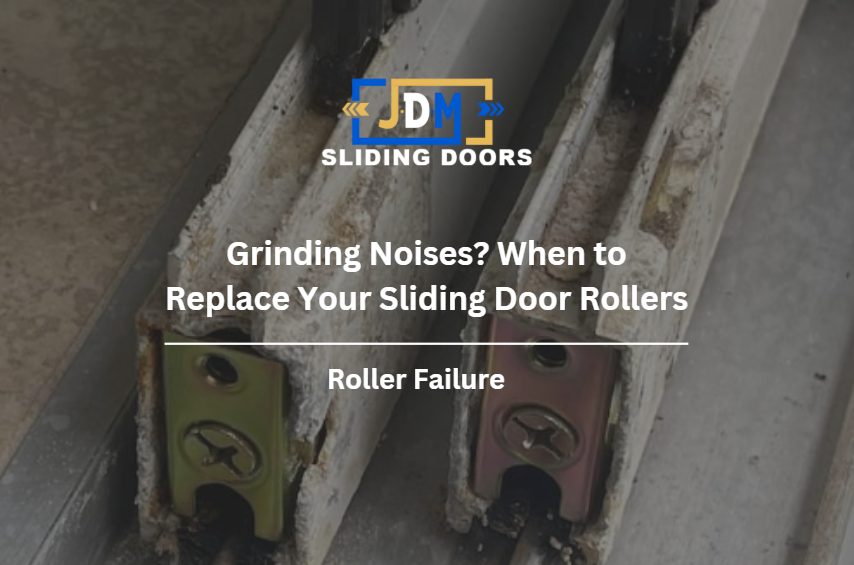
Grinding noise typically means the rollers no longer rotate smoothly. Internal bearings may seize, flatten, or corrode, forcing metal or nylon surfaces to drag instead of roll. Over time, movement becomes uneven and louder with each pass along the track.
Common conditions that cause grinding include:
-
Worn or cracked roller wheels
-
Corroded bearings from humidity or salt air
-
Dirt embedded inside the roller housing
-
Uneven weight distribution stressing one side of the door
Noise increases as wear progresses, especially near the center of the opening where most pressure occurs. Professional inspection confirms whether rollers can be serviced or require full replacement.
Sliding Door Roller Replacement Warning Signs Homeowners Should Not Ignore
Grinding is often paired with other performance changes. Together, these signs indicate the rollers no longer support proper movement and alignment.
Watch for the following issues:
-
Door feels heavier than usual
-
Jerky movement during opening or closing
-
Door stops or hesitates at the same spot
-
Track shows metal shavings or debris
-
Door frame shifts or rubs against the jamb
When these symptoms appear together, sliding door roller replacement prevents further strain on the track and frame. Delayed service often results in track deformation that requires more extensive repair.
Why Is My Sliding Glass Door Stuck
When a sliding glass door becomes stuck, the issue is rarely sudden. In most cases, resistance builds over time as internal components wear down or fall out of alignment. One of the most common causes is deteriorated rollers that can no longer support the full weight of the glass panel evenly. As rollers develop flat spots, seize, or corrode, the door begins to bind at specific points along the track, making movement difficult or inconsistent.
Track-related problems often contribute to the issue as well. Dirt, sand, and debris can compact inside the track, increasing friction, while dents or warping prevent the rollers from traveling smoothly. However, even when debris is present, worn rollers are frequently the underlying problem causing the door to feel stuck rather than just dirty or unmaintained.
A professional inspection goes beyond surface cleaning to determine whether the rollers have failed, the track has shifted, or both issues are occurring together. Propersliding door repair focuses on correcting the root cause, whether that means replacing damaged rollers, realigning the track, or addressing structural stress that affects door movement. Resolving the problem early restores smooth operation, reduces strain on the glass and frame, and prevents further damage that could lead to more extensive repairs or full door replacement.
Environmental and Usage Factors That Accelerate Roller Damage
Environmental exposure and everyday use play a major role in how quickly sliding door rollers deteriorate. Moisture, airborne particles, and shifting temperatures slowly break down roller bearings and wheels, even when the door still appears structurally intact. In coastal and high-humidity environments, salt air and moisture accelerate corrosion, causing rollers to seize or develop rough movement that increases resistance along the track.
Usage-related stress further shortens roller lifespan. Sliding doors that are opened and closed many times each day place continuous pressure on the roller assembly. Over time, this repeated load weakens bearings, especially when the door panel is heavy or oversized. When weight is not evenly distributed, rollers wear unevenly, leading to binding at certain points and inconsistent door movement.
Several factors are known to speed up roller wear and failure:
-
Salt air exposure in coastal areas that promotes corrosion
-
Lack of routine cleaning and lubrication, allowing debris to grind against rollers
-
Heavy glass panels that increase load stress on bearings
-
Improper sliding door installation that causes uneven weight distribution
Addressing environmental exposure and usage demands early helps slow roller deterioration and protects the track system from secondary damage. Proper installation, routine maintenance, and timely inspections reduce friction buildup, extend roller lifespan, and help maintain smooth, reliable sliding door operation over time.
In regions where Ft Lauderdale door rollers face constant moisture and salt exposure, professional-grade materials provide better long-term performance.
Sliding Door Wheels Replacement and the Limits of DIY Maintenance
Basic maintenance can help reduce surface debris, but it has clear limitations once internal roller damage develops. Dirt and light buildup can often be managed with routine cleaning, yet worn bearings, flattened wheels, or seized rollers cannot be repaired with household tools. When rollers fail internally, the door’s weight is no longer supported evenly, causing binding, grinding noises, and uneven movement along the track.
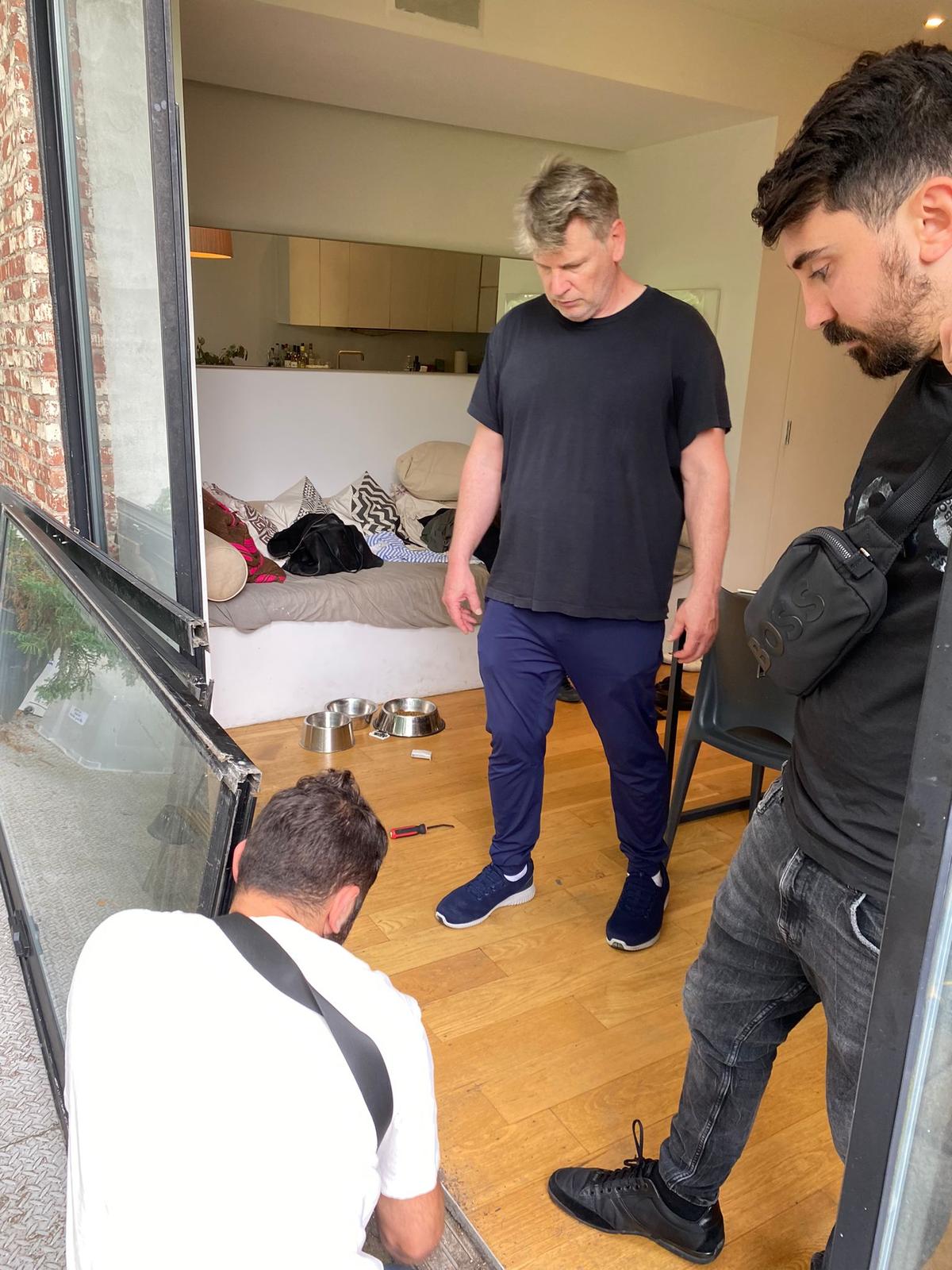
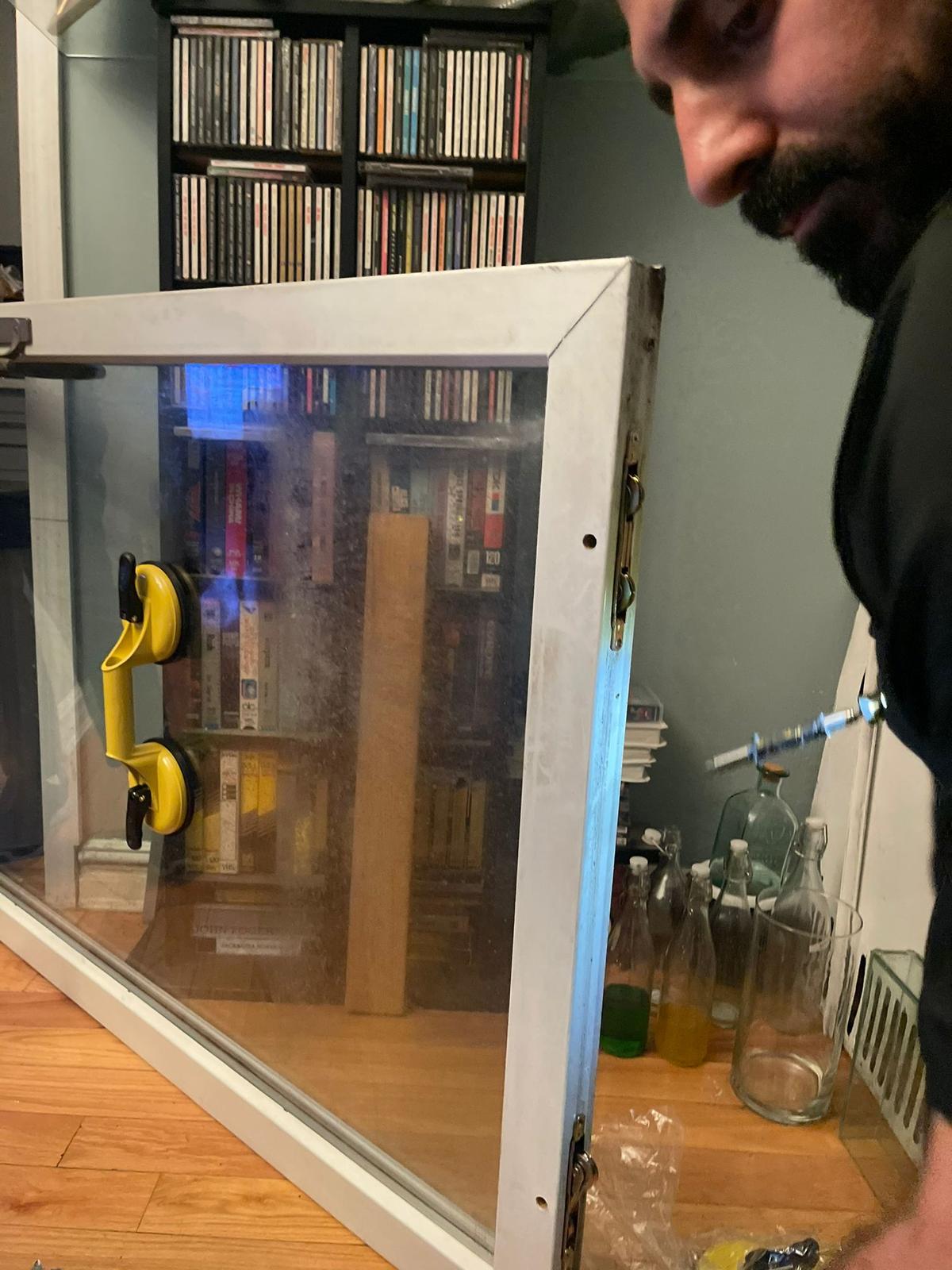
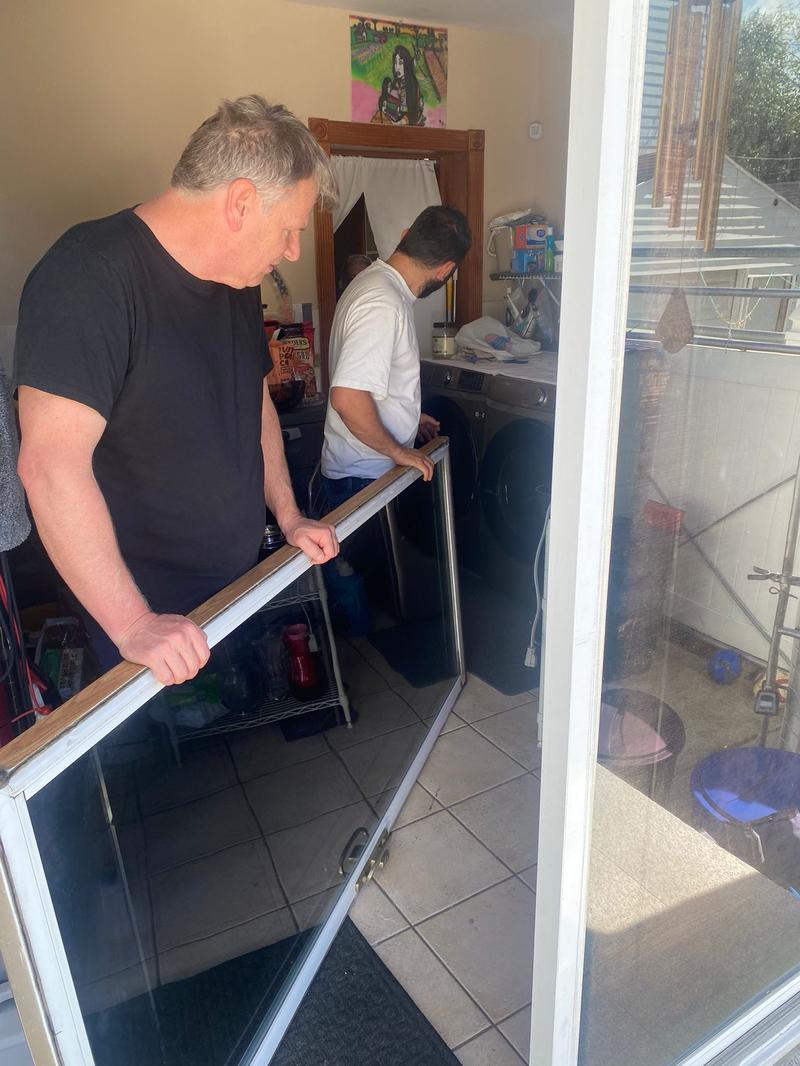
Attempting sliding door wheels replacement without proper lifting support and alignment tools creates significant risk. Sliding glass panels are heavy and become unstable once disengaged from the track. Without controlled support, homeowners may unintentionally chip the glass, bend the frame, or damage the track, leading to more severe operational problems. Even minor alignment errors can cause new rollers to wear prematurely.
Homeowners may safely focus on light, preventive tasks such as:
-
Vacuum loose debris from tracks
-
Wipe track surfaces with mild cleaners
-
Observe movement patterns for changes
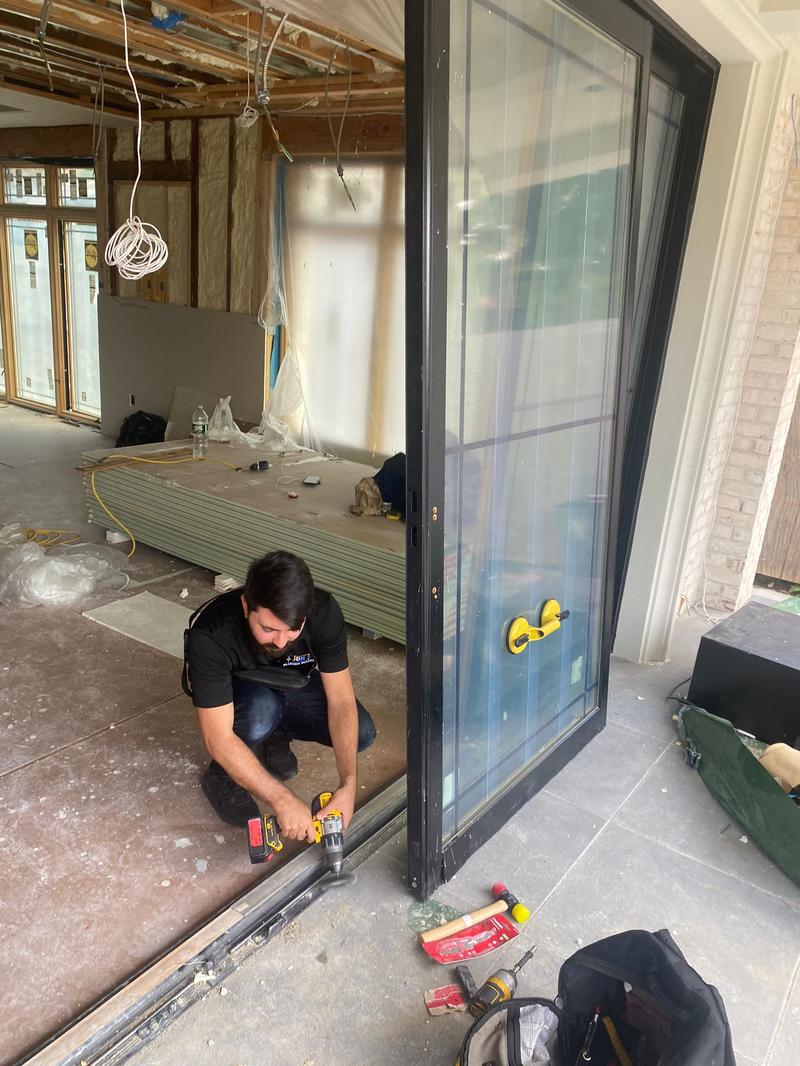
Certified technicians handle the critical work that DIY maintenance cannot safely address. This includes supporting the door panel, removing damaged rollers, adjusting height and alignment precisely, and confirming proper weight distribution across the track. Professional service ensures sliding door wheels replacement restores smooth, consistent operation without compromising safety or causing secondary damage to the door system.
Heavy Duty Sliding Door Wheels Replacement for High-Weight Doors
Large glass panels and commercial-grade doors require stronger components. Heavy duty sliding door wheels replacement uses reinforced bearings and durable materials designed to support heavier loads and frequent use.
Upgraded rollers help:
-
Reduce long-term friction
-
Maintain consistent alignment
-
Extend track lifespan
-
Improve overall door stability
Specialized rollers match door weight and frame design, preventing premature failure common with standard components.
What to Do When Sliding Door Jumps Off Track
A sliding door that jumps off the track is typically the result of roller failure or severe misalignment. Continued operation increases the risk of glass damage, frame distortion, and safety hazards, especially with oversized or heavy panels.
Recommended actions include:
-
Stop using the door immediately
-
Avoid forcing the panel back into place
-
Schedule a professional assessment to inspect rollers and track condition
Technicians restore safe operation by realigning the door, replacing damaged rollers, and verifying track integrity. In cases where glass edges or panels are compromised, glass repair and cutting may be required to address damage caused during derailment and ensure the door system remains secure and functional.
Roller Types and Performance Comparison
Choosing the correct roller type directly affects how smoothly a sliding door operates and how long the system lasts. Material, bearing design, and intended use all influence performance, noise levels, and resistance to wear. Selecting the wrong roller often leads to recurring grinding, uneven movement, and premature failure.
Matching the roller type to door weight, usage frequency, and environmental conditions is essential. Proper selection reduces friction, maintains alignment, and limits track wear. In many cases, professional screen door repair evaluations also consider roller compatibility, since lighter frame systems require different load support than heavy glass panels. Correct roller choice improves door longevity and helps prevent ongoing grinding and operational issues.
Take Action Before Roller Damage Affects Your Entire Door System
Grinding noises signal mechanical wear that rarely resolves without intervention. Roller deterioration affects door weight distribution, alignment, and track integrity. Addressing symptoms early prevents more complex repairs and maintains safe, reliable operation.
JDM Sliding Doors provides expert sliding door roller replacement services designed to restore smooth movement and long-term reliability. Visit the sliding door roller replacement service page, explore professional sliding door wheels replacement solutions, or request service through the contact us page. Contact us today to schedule an inspection and restore dependable door performance.
Frequently Asked Questions
What are common sliding glass door problems?
Common sliding glass door problems include sticking or grinding during movement, worn rollers, damaged tracks, misaligned frames, and faulty locks. Over time, dirt buildup, moisture exposure, and daily use can worsen these issues and affect smooth operation.
How do you fix a sliding door problem?
Fixing a sliding door problem depends on the cause. Solutions may include cleaning and adjusting the track, replacing worn rollers, realigning the door, or repairing the locking mechanism. Professional repair is recommended when heavy glass panels or alignment issues are involved.
What are the disadvantages of sliding glass doors?
Sliding glass doors can be prone to track debris, roller wear, and heat transfer if not properly sealed. They may also require more frequent maintenance to maintain smooth operation and security compared to solid entry doors.
What are signs I need sliding glass door repair?
Signs include difficulty opening or closing the door, loud grinding noises, uneven movement, drafts, condensation between glass panes, or a lock that does not engage properly. These issues often indicate worn components or alignment problems.
How do you properly adjust a sliding glass door?
Proper adjustment involves leveling the door using the roller adjustment screws to ensure even contact with the track. Adjustment should restore smooth movement and proper sealing, but professional service is advised to avoid glass damage or misalignment.