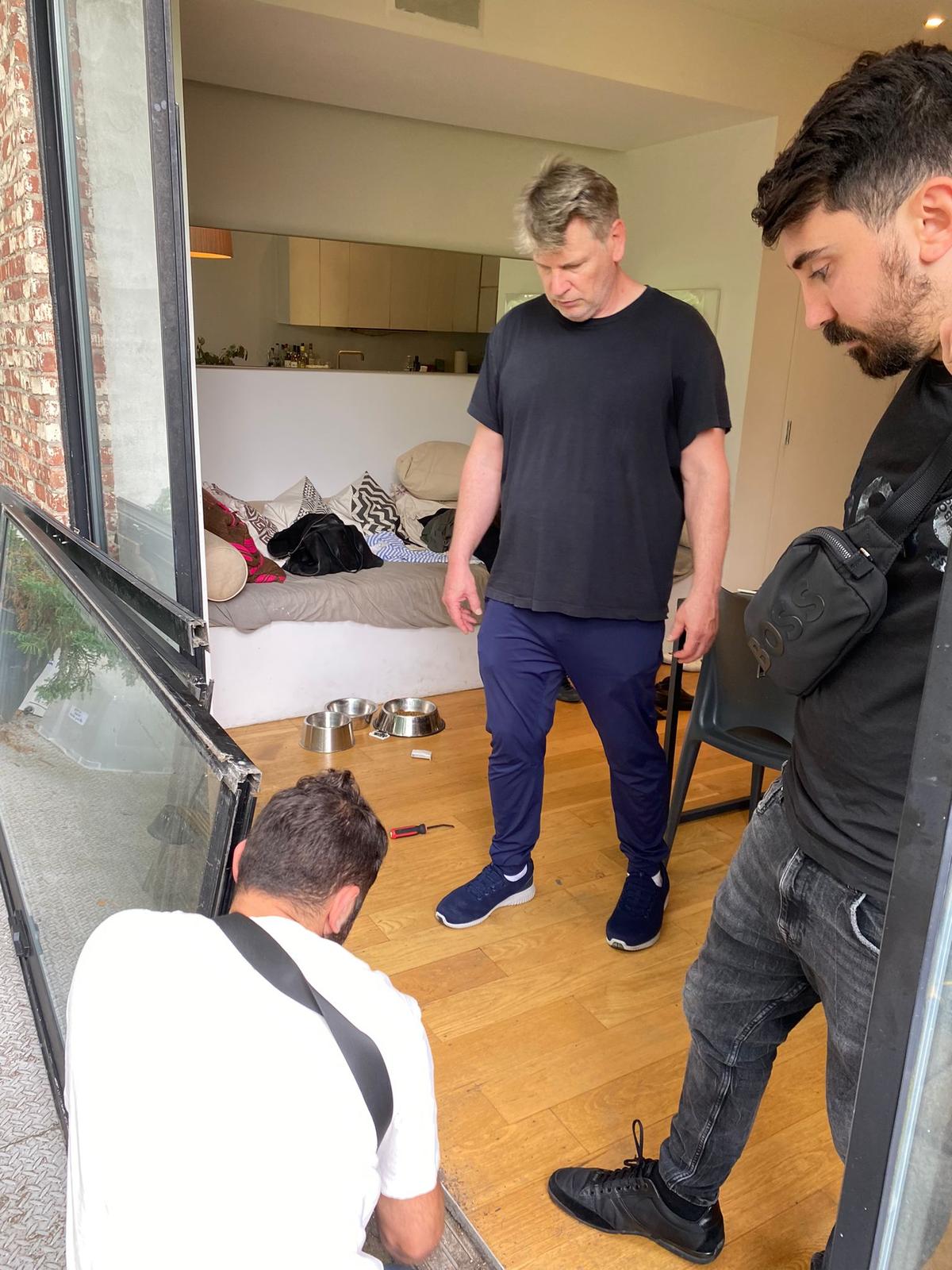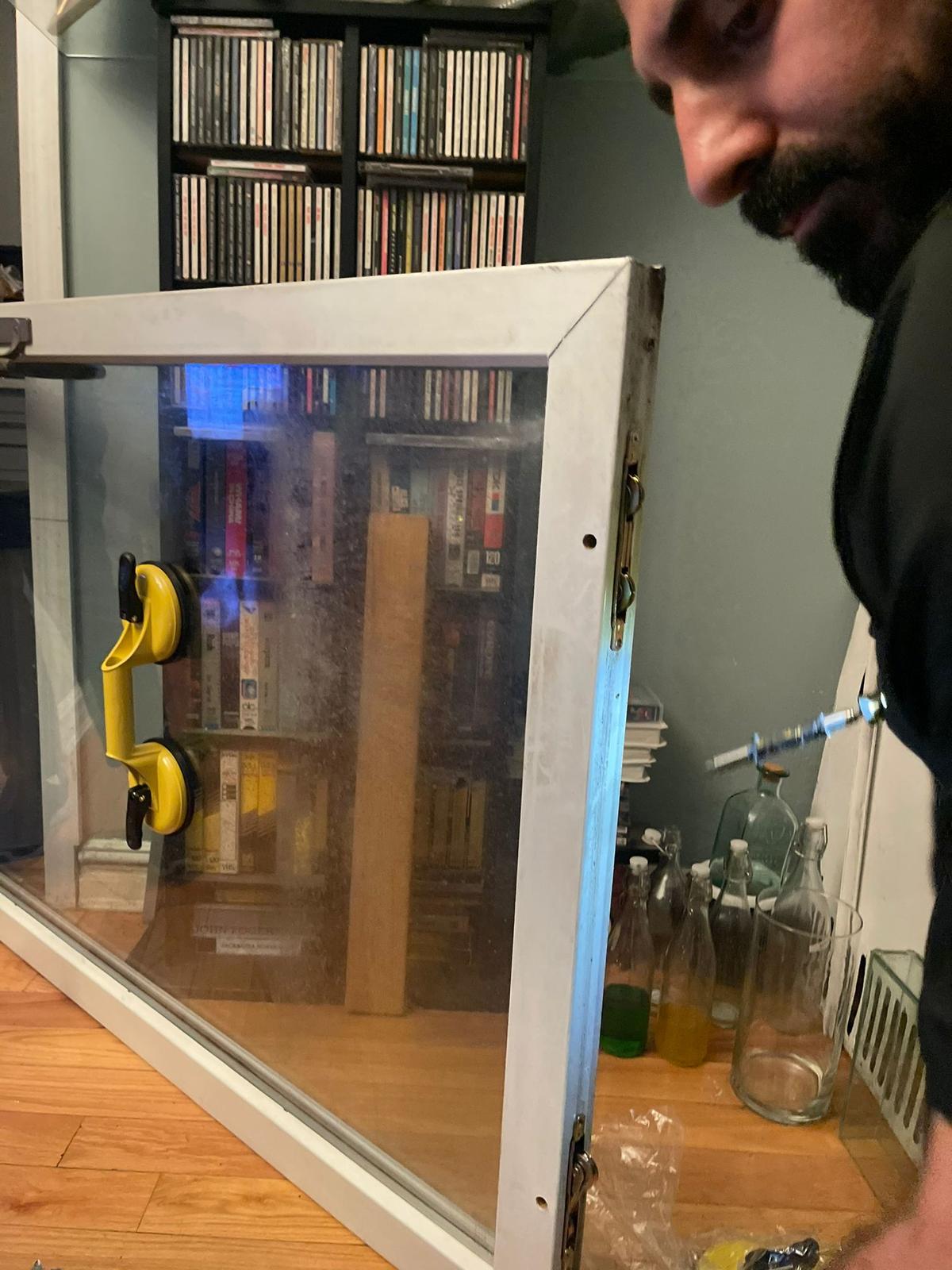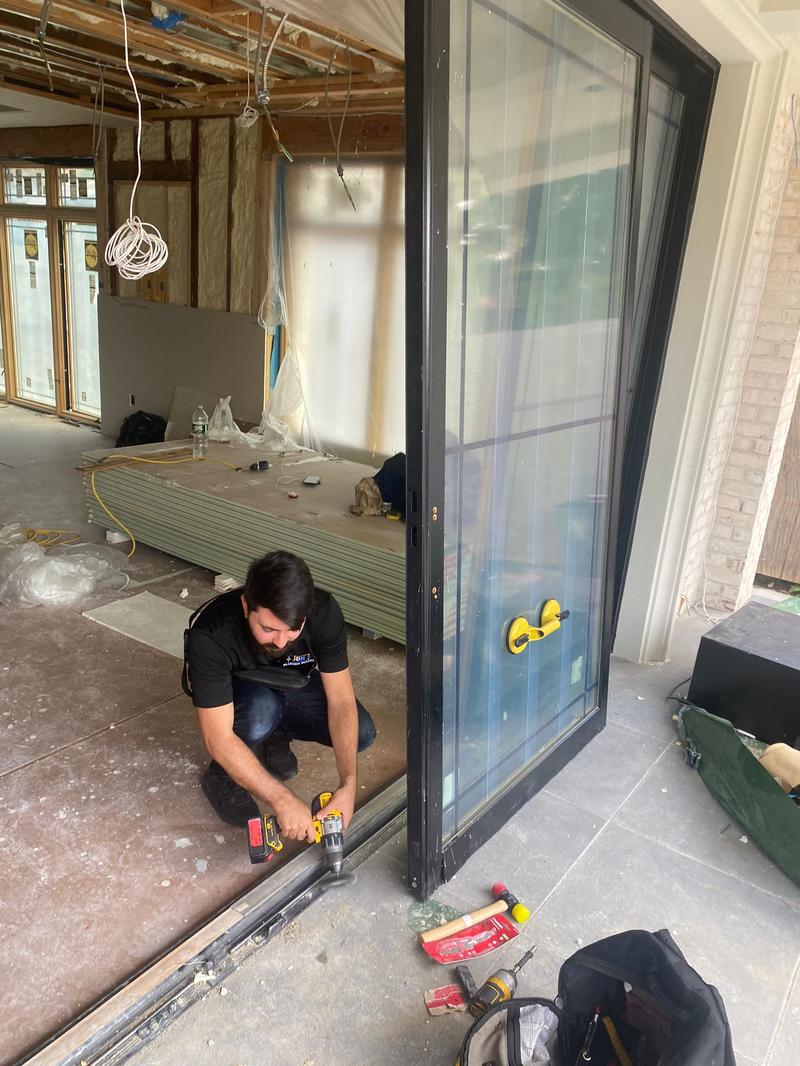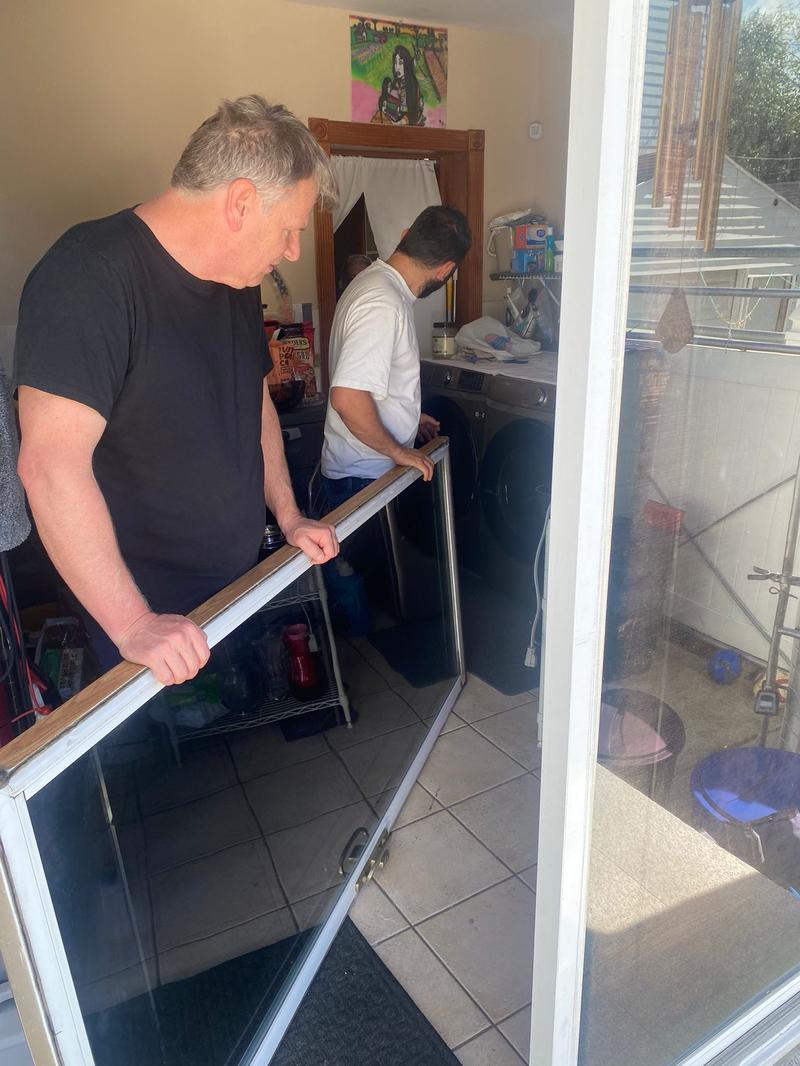
Identifying sliding door repair signs early prevents structural strain and avoids a complete breakdown that disrupts daily use. Many homeowners notice small performance changes but assume they will resolve on their own. Unfortunately, those changes usually indicate deeper mechanical, alignment, or component issues.
A well-maintained sliding door should glide smoothly, lock securely, and stay aligned. When it starts to resist movement, make noise, or feel unstable, the system needs immediate attention. Addressing issues at the first signs prevents misalignment damage, glass stress, and track wear that can escalate quickly.
Dragging, Jerking, or Uneven Movement: A Red Flag You Should Not Ignore
Movement problems are among the earliest and most noticeable indicators that your door needs professional support. Ignoring sliding door dragging / sticking issues often leads to heavy strain on rollers, tracks, and the frame.
Why the Door Starts Dragging
-
Dirt or debris on the track
-
Misaligned frame spacing
-
Damaged or worn rollers
-
Structural shifting from temperature or humidity
These performance issues also relate to common sliding door problems homeowners ignore, which often start small and quickly progress. DIY cleaning helps temporarily, but mechanical deterioration requires expert evaluation.
Difficulty Locking or Unlocking the Door: A Security Risk That Requires Immediate Action
When the locking mechanism does not engage smoothly, it suggests misalignment, internal hardware wear, or damaged components. One-time sticking can have many causes, but recurring difficulty should not be dismissed.
A fully functional lock maintains home safety. If you notice resistance, misalignment, or inconsistent lock engagement, call a professional to inspect hardware tension and correct alignment before a failure occurs. In some cases, expert sliding door lock repair is necessary to restore proper function.
Grinding or Scraping Noises During Operation: A Clear Mechanical Warning
Grinding or scraping sounds during sliding door operation are among the most obvious signs that something inside the system is no longer functioning correctly. When the door produces these noises, it typically means internal friction is increasing or a component is beginning to fail. As rollers wear out, they can no longer glide smoothly, causing metal parts to drag along the track. Over time, this strain accelerates deterioration and affects overall door performance.
What Noises Usually Mean
-
Worn or cracked rollers
-
Bent or damaged track edges
-
Loose hardware creating vibration
-
Roller bearings breaking down
Addressing damaged rollers often involves roller replacement, which restores smooth movement and prevents additional strain on the track system.
For a deeper understanding of how friction affects moving components, you can refer to the U.S. DOE guidelines on energy and mechanical system efficiency.
Visible Gaps, Misalignment, or Bowing: Structural Problems That Need Fast Correction
Visible gaps, misalignment, or bowing indicate that the sliding door panel has shifted out of its proper position within the frame. Even small changes in alignment can disrupt sealing, weaken the lock connection, and create resistance during movement. When the door no longer sits square within the opening, you’ll begin to notice performance issues that gradually worsen as structural tension increases.
Common Causes
-
Foundation settling
-
Frame warping from humidity
-
Loose fasteners losing tension
-
Excessive user force
These alignment concerns not only affect the door’s ability to open and close smoothly but also contribute to air leaks, water intrusion, and reduced structural stability. When you notice bowing, shifting, or inconsistent spacing, it’s important to have a trained technician assess whether the situation calls for a simple adjustment or more detailedsliding door repair to restore proper fit and function.
Moisture, Drafts, or Corrosion: Track Damage Warning Signs
Environmental exposure gradually reduces the durability of sliding door tracks and frames. Changes in humidity, temperature, and airflow create conditions where moisture settles into surfaces, leading to swelling, rust formation, and long-term material fatigue. Homes in coastal areas experience faster deterioration because salt in the air accelerates corrosion on metal components, causing the track to weaken more quickly.
When you notice moisture buildup, cold drafts, or visible rust along the track, these issues should be addressed as soon as possible. Delaying repairs often results in more significant track damage, reduced door stability, and increasingly difficult movement. As corrosion worsens and starts to interfere with proper operation, trained technicians typically recommend track repair to restore structural integrity, protect the surrounding frame, and ensure smooth, dependable sliding door performance.
For additional reference on how moisture affects building materials, you can review theU.S. EPA guidance on moisture control.
Cleaned the Track but Still Stuck? Here’s the Real Problem
If you’ve cleaned the track and still struggle with movement, the issue typically goes beyond dirt or debris. Internal components may be worn, misaligned, or failing, causing the door to feel heavier or require extra force to operate. This ongoing resistance is often one of the earliest signs of sliding door failure and should be addressed before it leads to more serious damage.
Internal Parts Often Affected
-
**Roller bearings: **Worn bearings create friction that disrupts smooth movement and contributes to sticking.
-
**Track alignment pieces: **Misalignment causes uneven travel and increases resistance along the track.
-
**Frame brackets: **Loose or shifting brackets affect panel stability and overall door alignment.
-
**Glide path components: **Any deterioration or obstruction in this area directly impacts how easily the door slides.
Mechanical issues typically worsen when the door is forced open or closed repeatedly. Rather than relying on temporary fixes, having the system inspected by a professional ensures the root cause is properly corrected and prevents damage to the glass, frame, or track components.
How to Know When Your Sliding Glass Door Needs Repair
Understanding when your sliding glass door needs repair is essential for maintaining smooth operation, home security, and energy efficiency. Many homeowners overlook early warning signs because the door may still function, but subtle symptoms often point to developing issues inside the rollers, track, frame, or locking system. Identifying these problems early helps prevent more extensive damage and ensures your sliding door continues to operate safely and reliably.
Below is a quick reference table outlining how to know when your sliding glass door needs repair based on symptom patterns.
Spotting these issues early allows you to respond before the door becomes unsafe or unusable. When these symptoms appear consistently, they often signal underlying structural or mechanical concerns that require expert assessment.
Expert Support That Keeps Your Sliding Doors Operating Smoothly
Monitoring sliding door performance helps prevent breakdowns and supports safe, consistent operation. Early action allows you to address mechanical or alignment concerns before they escalate. By recognizing the signs of trouble and relying on professional insight, you maintain long-term reliability and minimize unnecessary interruptions.
For accurate diagnosis and dependable service, contacting a knowledgeable technician as soon as issues appear is essential. Our team at JDM Sliding Doors provides trusted solutions for all repair needs, including precision adjustments, component replacement, and full system restoration. We offer expert evaluations and durable repair support.Contact our team today to arrange service, or visit our contact page for a smooth and convenient booking experience.
Frequently Asked Questions
What is the common problem with sliding doors?
One of the most common problems with sliding doors is worn or dirty rollers that cause sticking, wobbling, or difficulty opening the door. Track damage and debris buildup also interfere with smooth movement and can make the door feel heavy or unstable.
How do you repair a sliding door?
Sliding door repair often involves cleaning the tracks, adjusting or replacing worn rollers, and ensuring the door is properly aligned. Professional technicians may also repair damaged tracks, replace hardware, or adjust the frame to restore smooth operation.
Is it better to repair or replace a sliding door?
Repair is often the best choice when the issue involves rollers, tracks, or alignment. Replacement may be necessary when the door is severely damaged, outdated, or no longer provides adequate security or energy efficiency.
Do sliding doors need maintenance?
Yes, sliding doors require routine maintenance to stay in good condition. Cleaning the tracks, lubricating the rollers, and inspecting the hardware regularly help prevent breakdowns and extend the door’s lifespan.
What is the lifespan of a sliding door?
A well-maintained sliding door can last many years, depending on the quality of the materials and how often it is used. Regular care and timely repairs help prevent early wear and support long-term performance.