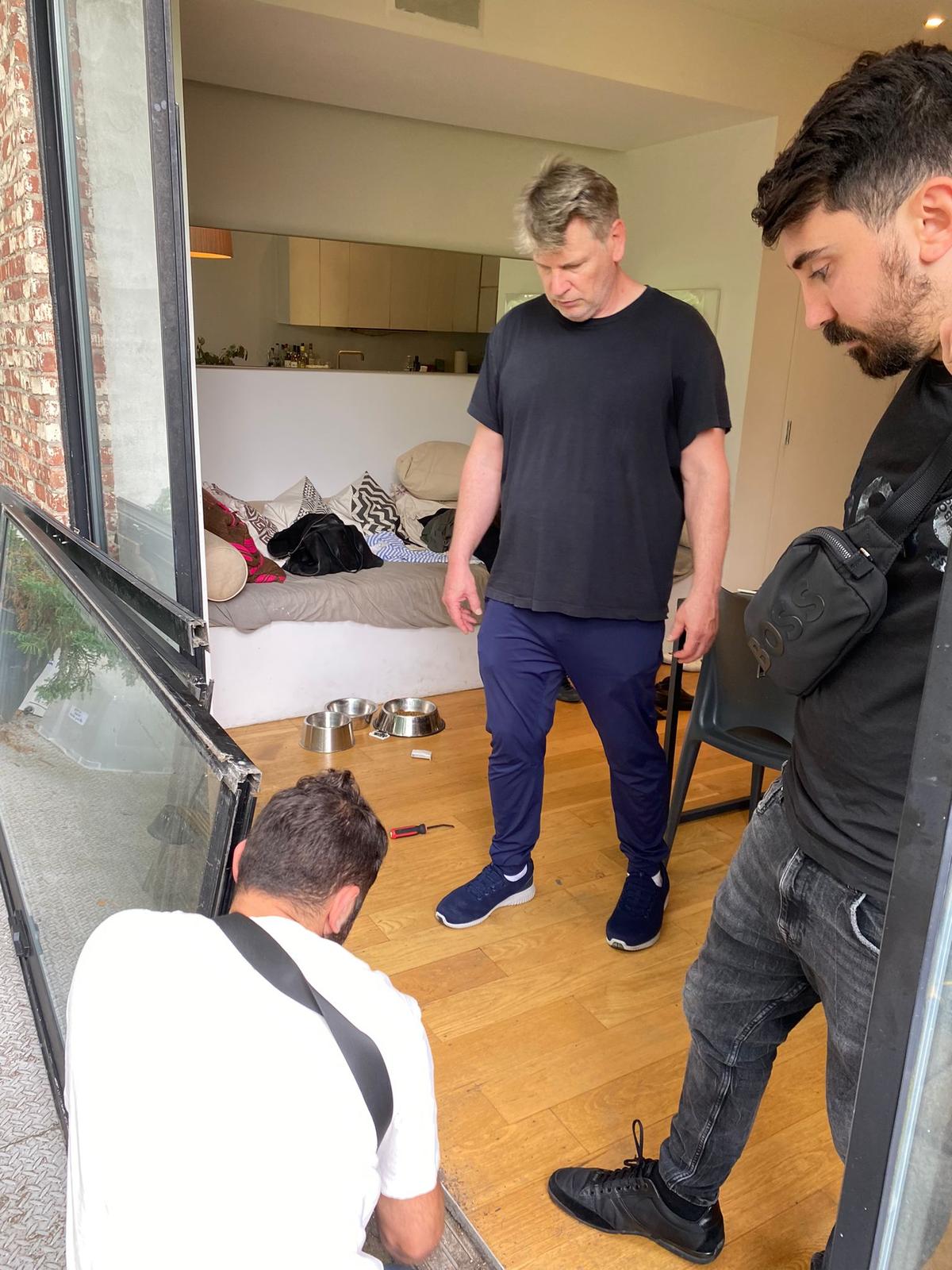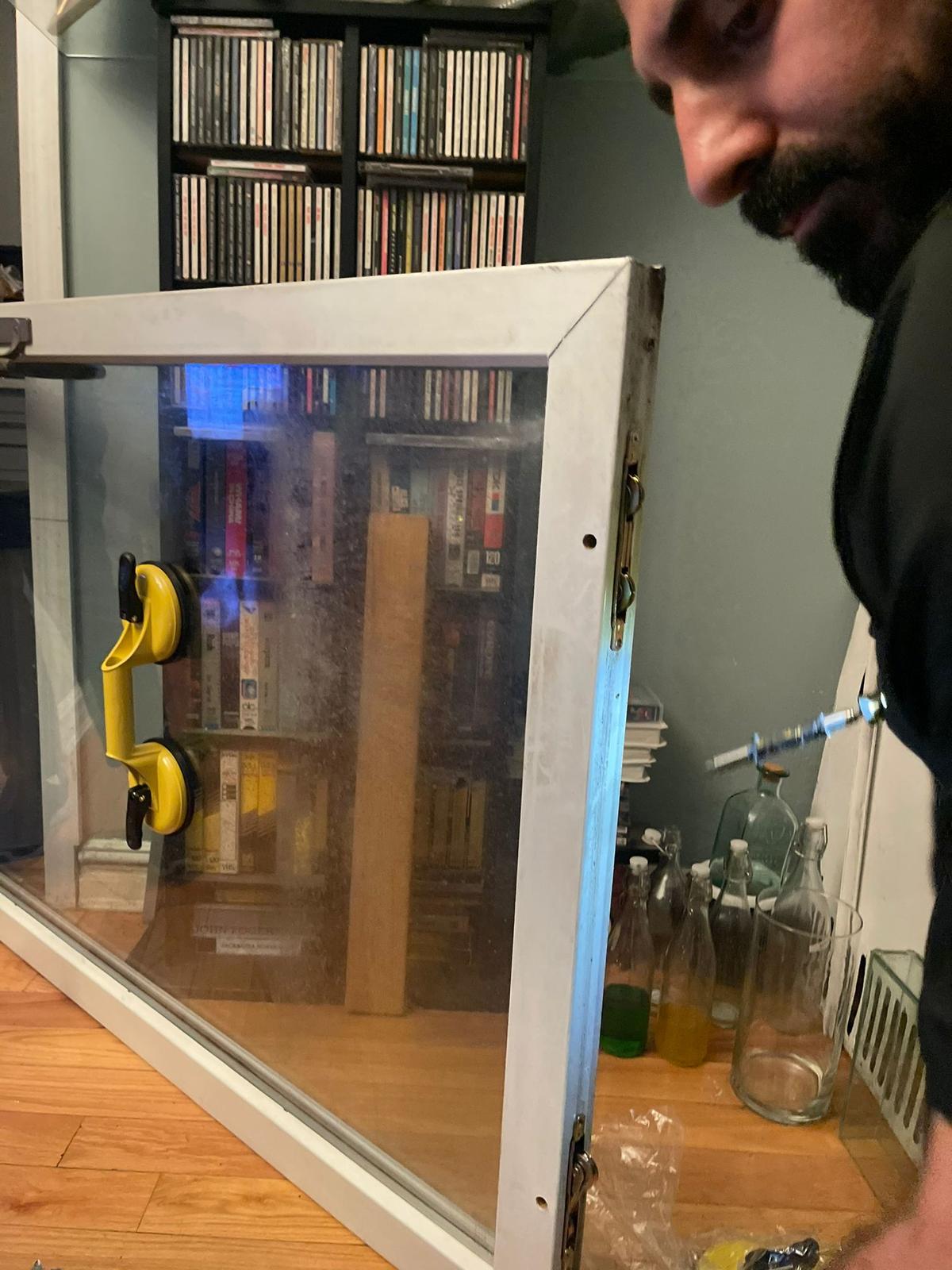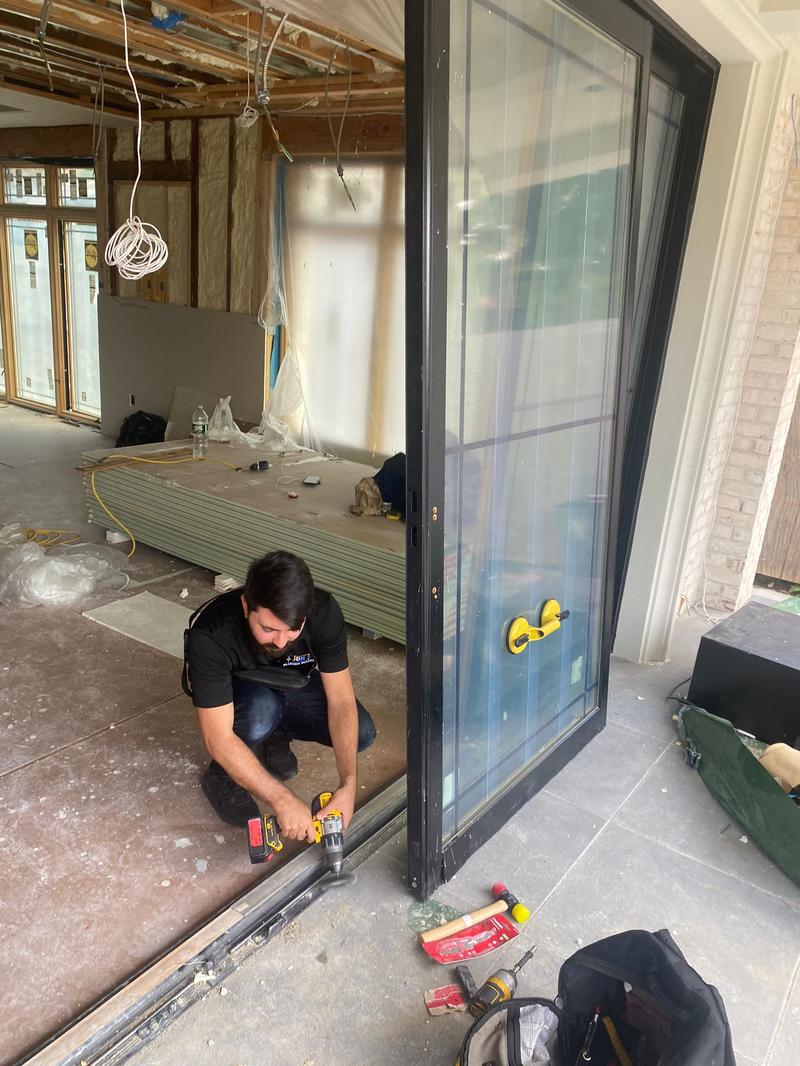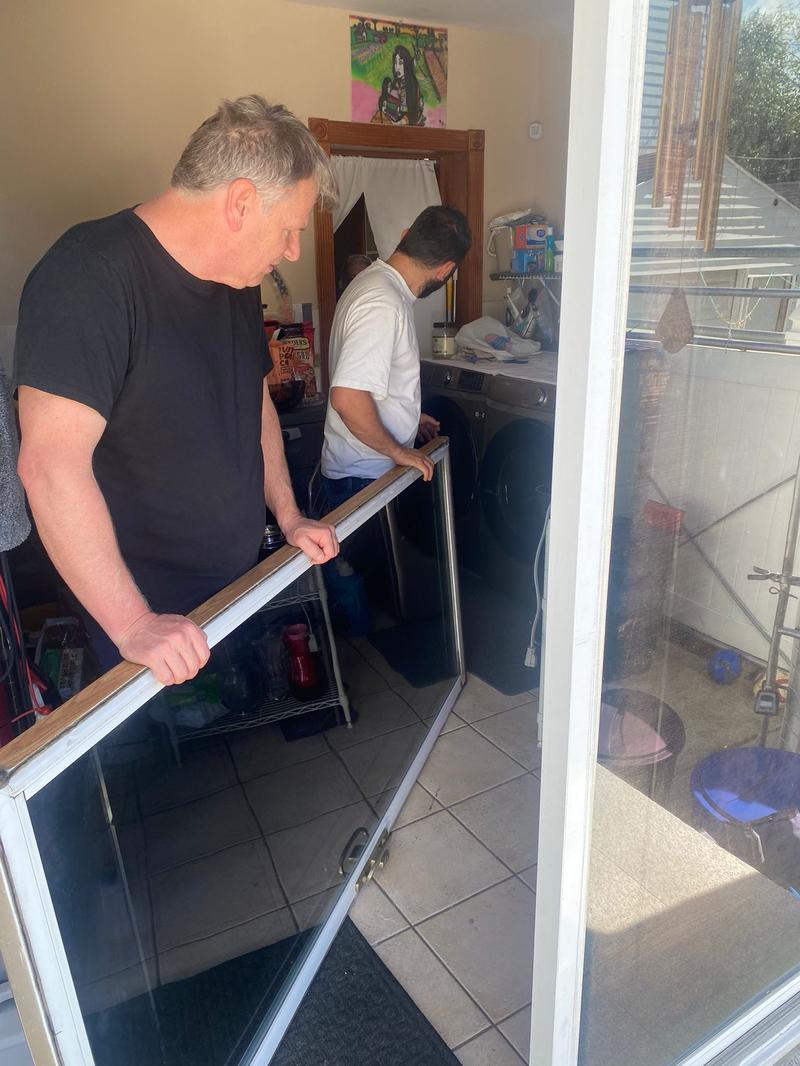
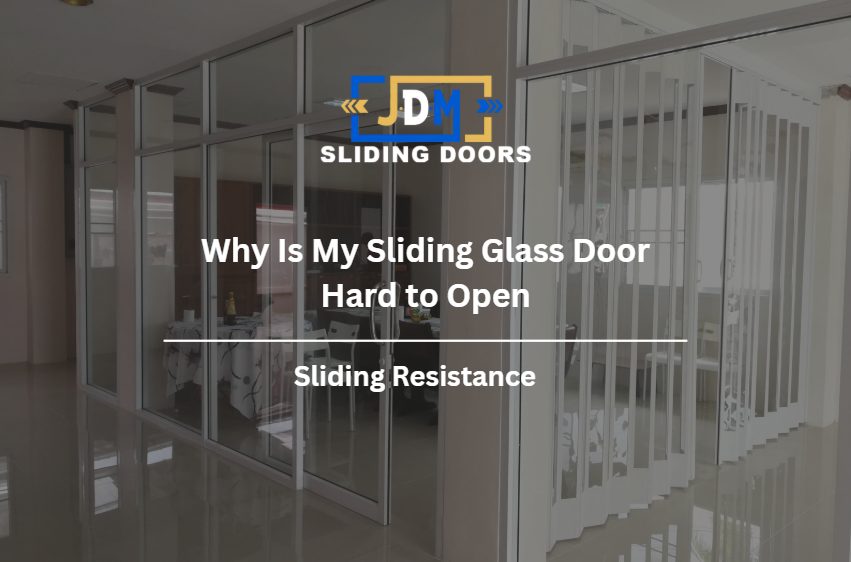
A sliding glass door should move smoothly with minimal effort, yet many homeowners experience stiffness, dragging, or complete resistance over time. When daily use turns frustrating, the issue often points to mechanical wear, environmental exposure, or installation-related factors that should not be ignored. These problems are commonly addressed throughsliding door repair, which focuses on restoring proper movement and reducing long-term strain on door components.
A hard-to-open door affects comfort, safety, and long-term durability. Understanding why resistance develops helps prevent further damage and allows informed decisions about maintenance or professional service. The sections below explain common causes, practical steps homeowners can take, and when professional sliding door services become necessary.
What Causes a Sliding Glass Door to Feel Heavy or Stiff Throughout Its Movement
When a sliding glass door starts requiring extra force, the issue is usually mechanical, not sudden. Friction, wear, and alignment changes develop gradually, affecting how smoothly the door moves along its track. In cases where stiffness has been present since installation or worsens shortly after replacement, improper setup may be involved. Professional sliding door installation ensures correct alignment, roller height, and weight distribution to prevent early resistance issues.
Track Contamination and Embedded Buildup
Sliding door tracks naturally collect dirt, sand, pet hair, and fine debris. Over time, this buildup compresses into the track surface, increasing friction between the rollers and rail.
Common signs include:
-
Rough or gritty movement
-
Consistent resistance from start to finish
-
Scraping or grinding sounds
While surface cleaning can provide short-term relief, embedded debris often causes microscopic track damage that continues to create drag even after cleaning.
Worn or Failing Roller Assemblies
Rollers support the full weight of the door panel. As bearings wear, flatten, or corrode, the door requires more force to move and may feel heavier with each use.
Typical symptoms:
-
Increasing effort required over time
-
Slight panel wobble while sliding
-
Uneven movement under load
Roller issues are a primary reason homeowners seek sliding door repair, but when roller damage coincides with frame wear or outdated panels, sliding door replacement may be recommended to restore long-term performance and reliability.
Frame or Panel Alignment Drift
Structural settling, loose hardware, or long-term wear can cause the door panel to tilt within the frame. Even minor misalignment increases pressure on rollers and track edges.
Indicators include:
-
Uneven gaps along the frame
-
Door rubbing on one side
-
Lock misalignment during closure
Professional adjustment restores balance and ensures the door moves evenly without stressing components.
Why Is My Sliding Glass Door Stuck in One Specific Spot?
When a sliding glass door becomes difficult to move at the same point every time, the issue is typically caused by localized resistance rather than overall system wear. This type of problem signals that something specific along the door’s travel path is interfering with smooth operation. Unlike gradual stiffness that worsens over time, spot-specific sticking often feels sudden, repeatable, and limited to one section of the track.
Localized resistance usually develops where the door’s rollers meet an obstruction or irregular surface. Even a small defect can disrupt movement, forcing the rollers to work harder and placing unnecessary strain on the door frame and hardware.
Most Common Spot-Specific Causes
-
Debris lodged at a single point in the track, such as hardened dirt, sand, or small stones that restrict roller movement
-
A dented or warped section of track that alters the roller path and creates drag
-
A damaged or flattened roller that binds when it reaches a specific area, even if the rest of the track appears clean
Cleaning may temporarily reduce resistance, but recurring sticking at the same point usually indicates mechanical damage. Continuing to force the door can worsen roller wear, deform the track further, and create secondary alignment problems.
Early professional inspection helps isolate the exact failure point and prevent cascading damage.
Environmental Factors That Affect Sliding Door Performance
Sliding doors are designed to glide easily, but environmental conditions like humidity, salt air, and temperature changes can slowly affect how they perform. Over time, moisture can lead to corrosion, heat and cold can shift alignment, and coastal air can increase wear, causing the door to feel heavier or harder to move if not properly maintained.
Humidity, Salt Air, and Temperature Changes
Environmental exposure affects materials over time. Coastal air accelerates corrosion, humidity causes expansion, and temperature fluctuations affect alignment.
Environmental impact may lead to:
-
Corroded rollers and tracks
-
Swollen frames
-
Increased friction during seasonal changes
Preventive maintenance by a sliding door specialist helps counter environmental wear and extends the lifespan of the door system.
For building material behavior in humid environments, visit U.S. Department of Energy moisture control guide for detailed recommendations.
DIY Maintenance Versus Professional Sliding Door Repair
Sliding door problems often start small, which makes many homeowners wonder whether a quick fix is enough or if professional help is needed. Knowing what basic maintenance you can safely handle and when to search for sliding door repair near me helps prevent further damage and keeps the door operating safely.
What Homeowners Can Safely Handle
Homeowners may perform light maintenance such as surface cleaning and visual inspections. Simple steps can help maintain functionality temporarily.
Appropriate homeowner actions include:
-
Vacuuming loose debris
-
Wiping tracks with mild cleaners
-
Checking for visible obstructions
When Professional Service Becomes Necessary
Persistent resistance, damaged components, or heavy glass panels require trained handling. Searching for **sliding door repair near me **connects homeowners with professionals equipped to adjust alignment, replace rollers, and restore safe operation without causing additional damage.
Sliding Glass Door Component Issues and Their Effects
A sliding glass door relies on multiple components working together to move smoothly and close securely. When even one part wears down or shifts out of alignment, homeowners often notice sticking, grinding, or difficulty opening and closing. Understanding which component is affected helps explain the problem and why professional service is often required for lasting results.
Sliding glass door problems are rarely caused by a single issue alone. Worn tracks, failing rollers, or misalignment can combine to increase resistance and strain over time. Addressing the exact component involved restores smooth operation, improves security, and helps extend the lifespan of the sliding glass door system.
Preventive Care to Keep Sliding Doors Operating Smoothly
Preventive care is essential for keeping sliding doors operating smoothly and avoiding the gradual decline in performance that often leads to costly repairs. Daily use, environmental exposure, and seasonal changes all place stress on door components.
Without consistent upkeep, small issues such as dirt buildup or minor misalignment can turn into persistent sticking, grinding, or uneven movement. A structured maintenance approach helps preserve smooth operation and protects the door system over the long term.
Long-Term Maintenance Practices
Consistent maintenance reduces repair frequency, improves day-to-day usability, and extends the overall lifespan of sliding doors. Regular attention allows homeowners to catch early signs of wear before they affect safety, security, or ease of use.
Recommended practices include:
-
Seasonal inspections
-
Prompt debris removal
-
Periodic professional servicing
Professional maintenance addresses early wear patterns and subtle alignment issues that homeowners may overlook. By correcting these problems early, sliding doors maintain smooth, controlled movement and remain dependable without the need for major repairs or premature replacement.
Get Your Sliding Glass Door Moving Smoothly Again
A hard-to-open sliding door signals underlying mechanical, environmental, or structural issues that should not be ignored. Understanding common causes such as track contamination, roller wear, and alignment problems helps homeowners make informed decisions about maintenance and repair. Professional service ensures long-term reliability, safety, and smooth operation for any sliding glass system.
JDM Sliding Doors provides expert, professional service for homeowners looking for dependable and long-lasting solutions for sliding door issues. We specialize in sliding glass door repair, track restoration, roller replacement, and complete system inspections to improve door performance, safety, and durability. Our team focuses on delivering reliable workmanship backed by hands-on experience and proven repair methods.
Contact us today or give us a call for prompt assistance and trusted sliding door solutions designed to restore smooth operation and long-term reliability in your home.
Frequently Asked Questions
What are common sliding glass door problems?
Common sliding glass door problems include sticking or grinding during movement, worn rollers, damaged tracks, misaligned frames, and faulty locks. Over time, dirt buildup, moisture exposure, and daily use can worsen these issues and affect smooth operation.
How do you fix a sliding door problem?
Fixing a sliding door problem depends on the cause. Solutions may include cleaning and adjusting the track, replacing worn rollers, realigning the door, or repairing the locking mechanism. Professional repair is recommended when heavy glass panels or alignment issues are involved.
What are the disadvantages of sliding glass doors?
Sliding glass doors can be prone to track debris, roller wear, and heat transfer if not properly sealed. They may also require more frequent maintenance to maintain smooth operation and security compared to solid entry doors.
What are signs I need sliding glass door repair?
Signs include difficulty opening or closing the door, loud grinding noises, uneven movement, drafts, condensation between glass panes, or a lock that does not engage properly. These issues often indicate worn components or alignment problems.
How do you properly adjust a sliding glass door?
Proper adjustment involves leveling the door using the roller adjustment screws to ensure even contact with the track. Adjustment should restore smooth movement and proper sealing, but professional service is advised to avoid glass damage or misalignment.