Automatic doors add convenience, safety, and accessibility to homes and businesses alike. But when they stop working properly, they can quickly turn from a modern luxury into a major inconvenience. Understanding how these systems operate, and knowing when to handle simple maintenance yourself versus calling for professional automatic door repairs, can save time, reduce costs, and extend the life of your door.
Common Automatic Door Problems and Their Causes
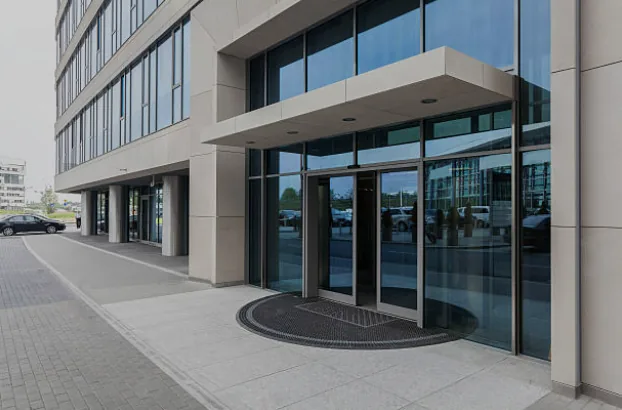
Even the best automatic doors need attention over time. Below are the most common issues you may encounter and what typically causes them.
1. Door Doesn’t Open or Close Properly
If your door opens halfway or closes too quickly, the issue may lie with misaligned tracks, worn rollers, or an electrical fault. Sometimes, dirt or debris can block sensors and cause malfunctions. Regular automatic door repair and maintenance can prevent this problem and keep your door operating smoothly.
2. Sensor or Activation Failures
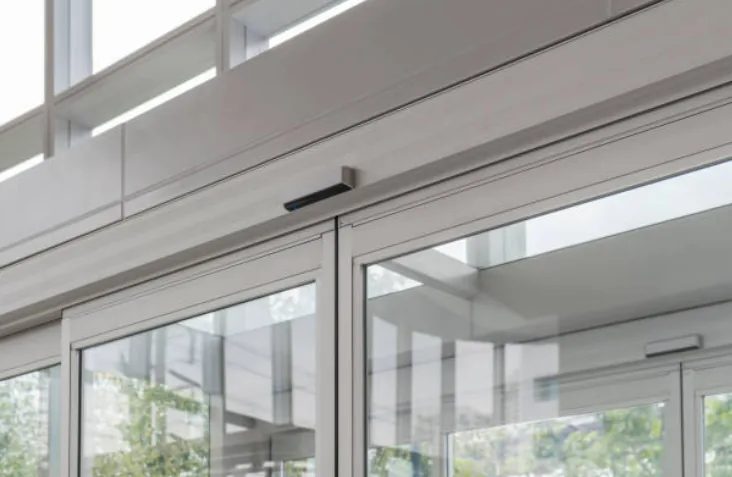
Sensors act as the “eyes” of an automatic door. When they malfunction, the door might not detect movement or could open unexpectedly. Clean the sensors with a soft cloth and check for obstructions. If the issue persists, schedule a commercial automatic door repair to recalibrate or replace faulty components safely.
3. Motor or Gearbox Malfunctions
A worn or damaged motor can cause the door to move slowly, jerk, or stop mid-operation. Strange noises often indicate that the gearbox or drive belt is wearing out. These parts typically require a professional automatic sliding door repair technician to inspect and replace them.
4. Noisy or Jerky Movement
Grinding or squeaking noises suggest the rollers, hinges, or bearings need lubrication. A quick cleaning and silicone-based lubricant may help, but if the door continues to shake or strain, it’s best to contact an automatic door repair service for a full inspection.
5. Safety System or Compliance Issues
Commercial automatic doors must meet safety and accessibility standards. Failing sensors or damaged safety edges can cause the door to close too forcefully or not respond properly, creating both safety and compliance concerns. Routine maintenance from an automatic door repair company ensures your door remains safe and up to code. For a deeper look at accessibility standards, check out our guide on 4 reasons ADA-compliant door handles are essential. It explains why proper hardware and accessibility compliance matter for every commercial entrance.
DIY Tips for Maintaining and Repairing Automatic Doors
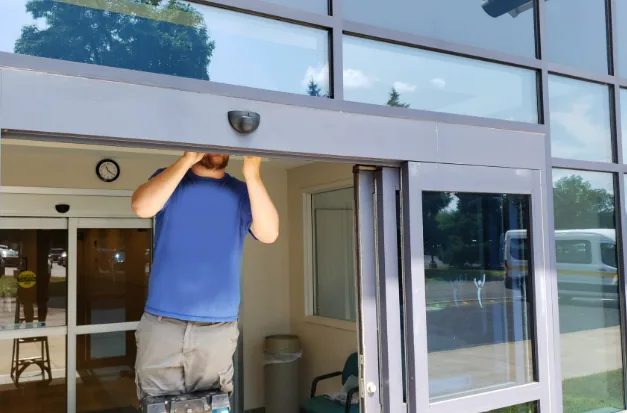
Before you pick up the phone, there are a few safe and simple ways to repair an automatic door or improve its performance on your own.
1. Clean and Lubricate the Tracks
Dirt, debris, and corrosion can prevent the door from gliding smoothly. Disconnect the power supply, vacuum the tracks, and wipe them clean. Use a non-greasy lubricant on the rollers and hinges. This small maintenance step can often delay the need for professional automatic door repair.
2. Check and Adjust the Sensors
Ensure the sensors are aligned and free of dust. Test their responsiveness by walking past them or using the door’s activation plate. If they don’t trigger consistently, you may need a commercial automatic door repair technician to fine-tune or replace them.
3. Inspect the Motor and Drive System
If the door moves sluggishly or stops suddenly, the issue might be within the drive system. Look for frayed belts, loose wiring, or signs of wear. Unless you’re experienced with electrical systems, this is where a professional automatic door repair service is essential to ensure safe and accurate repair.
4. Tighten Hardware and Realign the Frame
Over time, vibration can loosen mounting brackets or screws. Check the frame for alignment using a level, and tighten any loose bolts. Proper alignment ensures your automatic door moves freely without stress on the motor.
5. Know When to Call a Professional
If you’ve cleaned, lubricated, and tested everything yet the door still misbehaves, it’s time for expert help. Certified technicians from an automatic door repair company can diagnose deeper electrical or mechanical issues and restore full performance without voiding warranties.
When to Call a Professional for Automatic Door Repairs
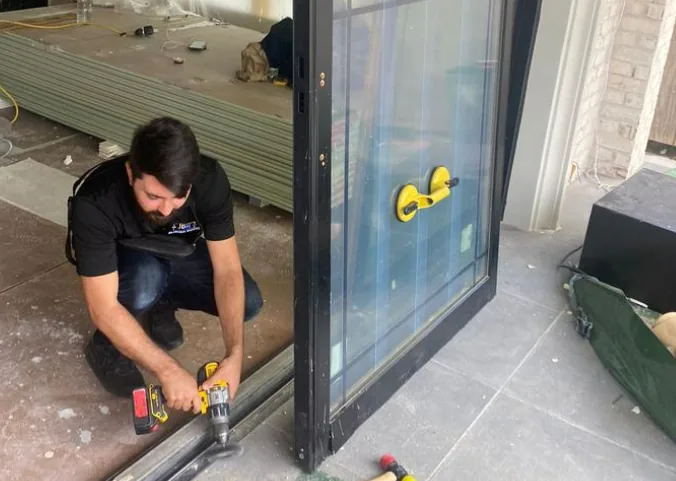
Before you start, gather these essentials:
You should schedule automatic door repair if:
-
The door fails to open or close consistently
-
You hear grinding, clicking, or burning smells from the motor
-
Safety sensors aren’t responding
-
The door is stuck in the open or closed position
-
You manage a commercial or ADA-compliant property
A professional commercial automatic door repair team has the right tools and training to safely handle electrical systems, motors, and safety sensors, minimizing downtime and ensuring reliability.
Preventative Maintenance Tips
Preventive care goes a long way toward avoiding costly breakdowns. To keep your automatic doors running smoothly:
-
Clean tracks and sensors monthly
-
Lubricate moving parts every 6 to 12 months
-
Test safety sensors quarterly
-
Schedule professional automatic door maintenance and repairs annually
-
Keep the activation area free of clutter
Proactive maintenance reduces breakdowns and extends the lifespan of your door system.
Final Thoughts
Automatic doors provide a modern, hands-free solution for both homes and businesses, but like any mechanical system, they need care. Simple DIY maintenance can resolve minor issues, but larger problems should always be handled by a qualified automatic door repair company.
Whether you need help troubleshooting, a quick automatic sliding door repair, or a full commercial automatic door repair, getting expert service ensures your doors remain safe, efficient, and reliable for years to come.
Frequently Asked Questions
How much does automatic door repair cost?
In our experience automatic door repair runs $150 to $700 per service call, depending on the issue. We see sensor replacement average $150 to $300, motor or drive belt repair run $300 to $600, and a full operator replacement reach $1,500 to $3,000. Keep in mind emergency commercial automatic door repair after hours usually adds a 50% service premium, so we always recommend scheduling routine fixes before they become emergencies.
How do I find reliable automatic door repair near me?
My advice is to look for a contractor certified by AAADM (American Association of Automatic Door Manufacturers), carrying insurance, offering 24/7 emergency response, and stocking parts for the big brands we work on every day: Stanley, Horton, Besam, Record, and Nabco. At JDM Sliding Doors our technicians service automatic doors across Florida, New York, Georgia, and Colorado.
Why does my automatic sliding door keep opening and closing?
When we get this call it’s almost always a sensor issue: either the motion sensor is dirty, misaligned, or set to too-high sensitivity, or a door presence sensor has failed. Start by cleaning the sensor lens and confirming nothing is obstructing its field, and in our experience if the problem persists after that, the sensor itself needs replacement.
Can I fix an automatic sliding door myself?
You can safely handle the basics: cleaning sensors, tightening loose rollers, removing track debris, and checking the safety mat connections. In my experience anything involving the motor, drive belt, electrical wiring, or glass panel should come to us instead, because working on a high-voltage automatic door system without training is a genuine safety hazard and it’s the kind of job our technicians are trained for.
How often should commercial automatic sliding doors be serviced?
We recommend full service at least twice a year, and quarterly for the high-traffic locations we service like grocery stores, hospitals, and airports. We also remind clients that annual AAADM safety inspections are required to maintain liability coverage, because in our experience a skipped inspection can invalidate your insurance if someone gets hurt.
Need expert help? JDM Sliding Doors offers reliable commercial door repair services to get your door back in perfect condition. Contact us today!