When it comes to heavy doors (whether it’s a custom wood entryway, industrial steel, or high-end interior sliding doors), the quality of the door hinges is just as important as the door itself. Choosing the right hinges ensures smooth operation, structural support, and long-term durability.
In this guide, we’ll walk you through the best door hinges for heavy doors, what to look for when choosing them, and some pro tips from the team at JDM Sliding Doors, South Florida’s trusted experts in modern custom doors and hardware.
Why Hinge Quality Matters for Heavy Doors
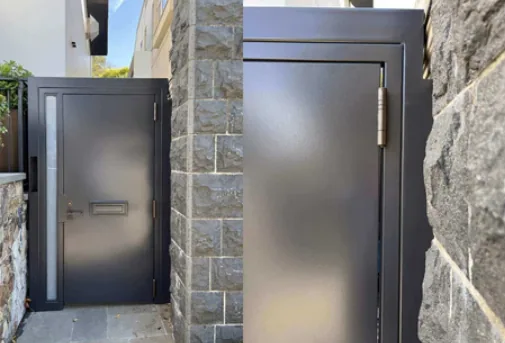
Heavy doors put extra stress on hinge hardware. Using the wrong type of hinge can lead to sagging, creaking, difficulty opening/closing, or even long-term damage to the door frame. Whether you’re installing a luxury sliding door, a solid-core interior door, or a large glass pivot door, the hinge is the workhorse behind your door’s functionality.
The right hinges will:
-
Support the door’s weight without warping or strain
-
Allow smooth, quiet movement
-
Extend the life of the door and the frame
-
Complement the overall aesthetic
Key Features to Look For in Heavy-Duty Door Hinges
Not all hinges are created equal. When choosing hinges for heavier doors, make sure to check for the following:
1. Material Strength
Look for hinges made from solid stainless steel, brass, or heavy-gauge steel. These materials offer the strength and corrosion resistance necessary for high-traffic and heavy-weight applications.
Avoid lightweight metals or cheap alloys; they may seem fine at first but can bend or break over time under stress.
2. Load Capacity
Every hinge has a weight rating. For heavy doors, you’ll typically want hinges rated for 200 lbs or more, depending on the door’s size and usage. Oversized entry doors, for instance, may require up to 3 or 4 heavy-duty hinges spaced evenly to distribute the weight.
3. Bearing Type
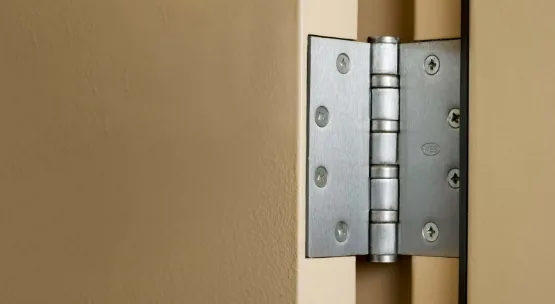
Heavy doors benefit greatly from ball bearing hinges or concealed pivot systems. These reduce friction and ensure smooth, quiet operation even under load.
Ball bearing hinges are especially ideal for frequently used doors, like front entrances or patio sliders.
4. Size and Thickness
For standard residential doors, hinges are typically 3.5″ or 4″. For heavy-duty doors, you’ll want to go with 4.5” or 5” hinges, with increased thickness for added stability.
5. Finish and Design
Since JDM Sliding Doors also focuses on aesthetics, the hinge finish should match the style of the door: brushed nickel, matte black, antique brass, etc. Function matters, but so does visual consistency, especially in luxury or custom builds.
Best Types of Hinges for Heavy Doors
Let’s break down the most recommended types of hinges for heavy doors:
🔩 Ball Bearing Hinges
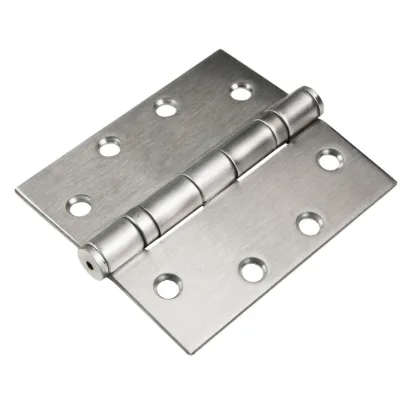
Ideal for:
-
Solid wood or steel doors
-
High-use entry doors
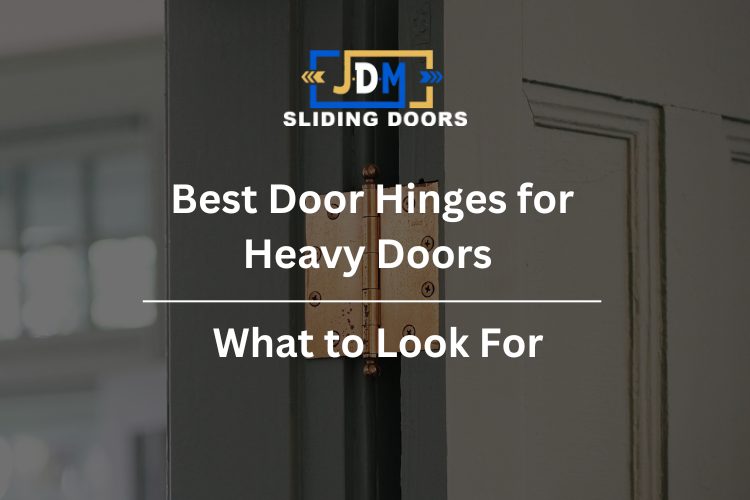
These feature built-in ball bearings that reduce friction and wear. They open smoothly and are perfect for doors that are opened and closed frequently.
🔩 Continuous (Piano) Hinges
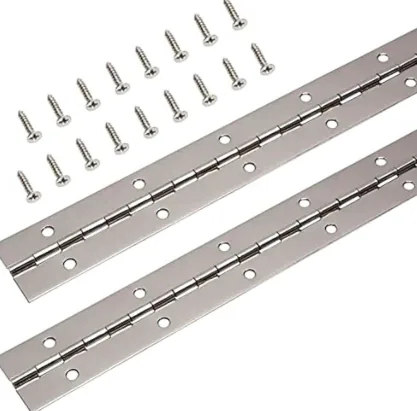
Ideal for:
-
Commercial or industrial settings
-
Very tall or wide doors
These run the full length of the door and distribute weight evenly across the frame. They’re durable and very stable but may be overkill for residential use.
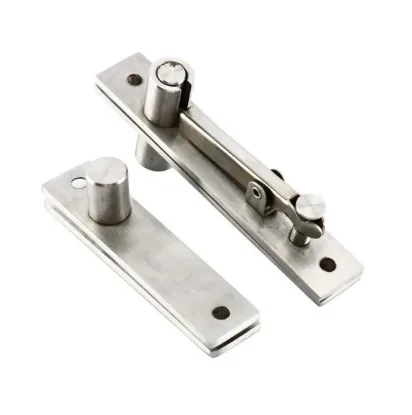
🔩 Pivot Hinges
Ideal for:
-
Large or modern interior doors
-
Glass or custom oversized doors
Mounted at the top and bottom of the door, pivot hinges support weight better than traditional side-mounted hinges. They’re a favorite at JDM Sliding Doors for frameless or minimalist door systems.
🔩 Concealed Hinges (Invisible Hinges)
Ideal for:
-
Sleek, modern aesthetics
-
High-end interior designs
These hinges stay hidden when the door is closed, offering a clean, seamless look while still supporting heavier loads. High-quality concealed hinges can handle 200 to 300 lbs depending on the model.
JDM Sliding Doors Recommends…
As specialists in custom sliding and pivot doors throughout South Florida, we recommend pairing heavy doors with:
-
High-quality ball bearing hinges for traditional installations
-
Concealed or pivot hinges for modern or oversized doors
-
Stainless steel or solid brass materials for coastal durability
If you’re investing in a luxury door, don’t cut corners with hardware. Our team at JDM Sliding Doors works directly with architects, designers, and homeowners to match the right hinge system to the door’s function and style.
Pro Tips for Installing Hinges on Heavy Doors
-
Always use at least three hinges for doors over 80 inches tall
-
Make sure to install into solid framing: reinforce the door jamb if necessary
-
Use longer screws (2-3 inches) to ensure deep anchoring into the wall studs
-
Consider soft-close systems for an upgraded feel on heavier doors
Final Thoughts
Choosing the best hinges for heavy doors isn’t just about weight support; it’s about performance, longevity, and design. Whether it’s a handcrafted entryway or a sleek interior pivot door, the right hinge can make all the difference in both feel and functionality.
At JDM Sliding Doors, we believe in combining engineering with elegance, and that starts with every detail, including the hinges.
Need help choosing the right hinge for your project? Contact us today for a consultation or visit our South Florida showroom to explore premium hinge options that work beautifully with your door system.