
Introduction
Sliding doors and windows offer a beautiful way to connect your indoor living space with the outdoors, letting in natural light and fresh air. However, they can also be susceptible to leaks, which can lead to water damage, mold growth, and higher energy bills. Understanding how to identify, prevent, and repair these leaks is crucial for maintaining the integrity of your home. This blog will provide you with comprehensive insights on fixing leak issues in sliding doors and windows, ensuring that your home remains comfortable and secure.
Understanding the Causes of Leaks
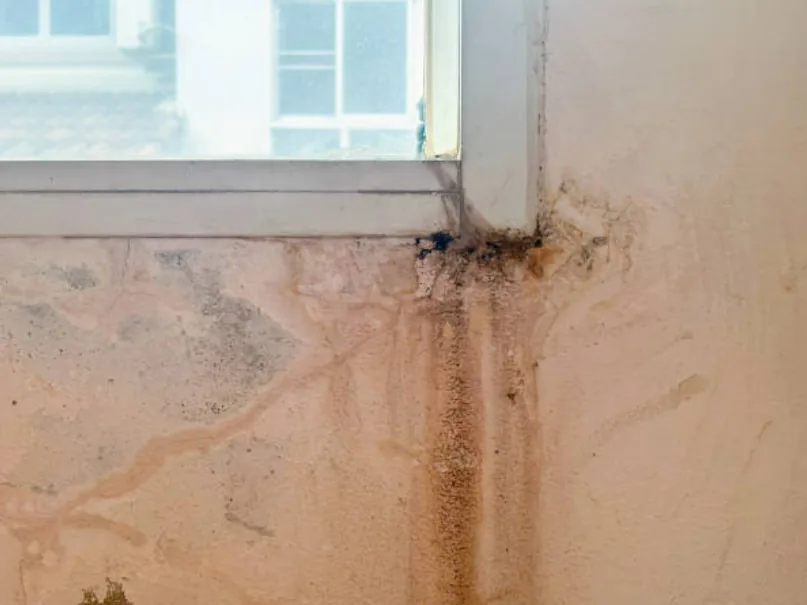
Before diving into solutions, it’s important to understand the common causes of leaks in sliding doors and windows. These can include:
-
Weatherstripping Failure: Over time, the weatherstripping around doors and windows can wear out, crack, or become misaligned, allowing water to seep through.
-
Improper Installation: If a sliding door or window isn’t installed correctly, gaps may form, making it susceptible to leaks.
-
Clogged Drainage Systems: Many sliding doors and windows have built-in drainage systems that can become blocked with debris, causing water to pool and leak inside.
-
Structural Issues: Shifting foundations, settling, or damage to the frame can create gaps where water can enter.
-
Sealant Deterioration: The caulk or sealant around windows and doors can degrade over time, especially if exposed to harsh weather conditions..
Damaged Sliding Door Frame
Identifying the Source of Leaks
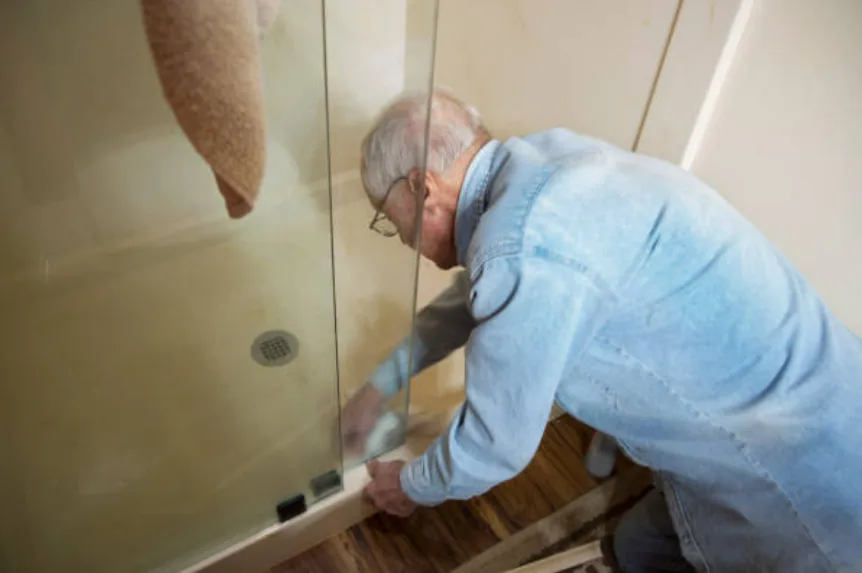
To effectively address leaks, you first need to identify their source. Here’s how to investigate:
-
Visual Inspection: Look for water stains, mold, or discoloration around the door or window frames. This can indicate where the leaks are occurring.
-
Feel for Drafts: On windy days, feel around the edges of your sliding doors and windows for any drafts. This may suggest gaps in the seals.
-
Water Test: During heavy rain, observe if water enters through any specific areas. Alternatively, you can use a hose to simulate rain and check for leaks.
Fixing Sliding Door and Window Leaks
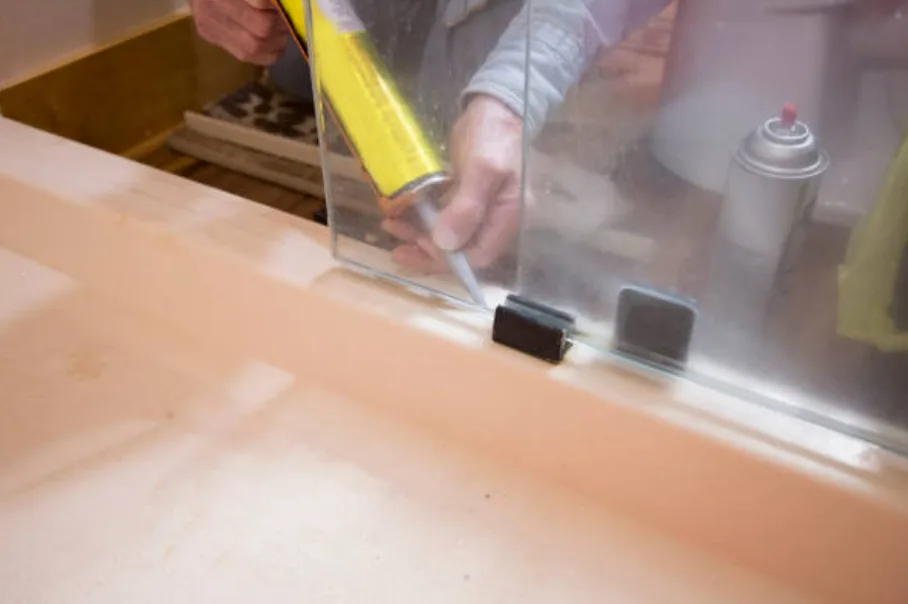
Once you’ve identified the source of the leaks, here are several steps you can take to fix them:
- Replace Weatherstripping: If your inspection reveals that the weatherstripping is damaged or worn, it’s time to replace it. This reduces leaks and improves energy efficiency. For the symptom-by-symptom signs of a failing seal and which checks are safe to do yourself, see our guide on when to replace sliding glass door weather stripping.
How to Replace: Remove the old weatherstripping, clean the surface, and apply new weatherstripping. Ensure it fits snugly to create a tight seal.
- Check for Proper Alignment: Ensure that your sliding doors and windows are properly aligned. Misalignment can lead to gaps that allow water to enter.
Adjustment Steps: If the door or window is off track, loosen the screws on the roller or hinge, realign it, and then retighten the screws.
- Clear Drainage Channels: Regularly check and clean the drainage channels in sliding doors and windows. Debris can accumulate, preventing proper water flow and leading to leaks.
Cleaning Process: Use a vacuum or a soft brush to clear out any leaves, dirt, or other obstructions.
- Seal Gaps with Caulk: If you notice gaps around the frames, use high-quality exterior caulk to seal them. This will help prevent water from seeping in.
Application Tips: Apply caulk in a continuous bead and smooth it out for a clean finish. Allow it to cure as per the manufacturer’s instructions.
- Professional Help for Complex Issues: If leaks persist after these steps, or if you notice significant structural issues, it may be time to consult with a door and window leak professional.
Sliding Door Leak Repair
Special Considerations for Sliding Doors
Sliding doors, in particular, may have additional considerations:
-
Rollers and Tracks: Ensure that the rollers and tracks are clean and functioning properly. Dirty or damaged rollers can cause misalignment, leading to leaks.
-
Multi-Point Locking Systems: Consider upgrading to a multi-point locking system for added security and better sealing, reducing the chances of leaks.
Addressing Window Leaks
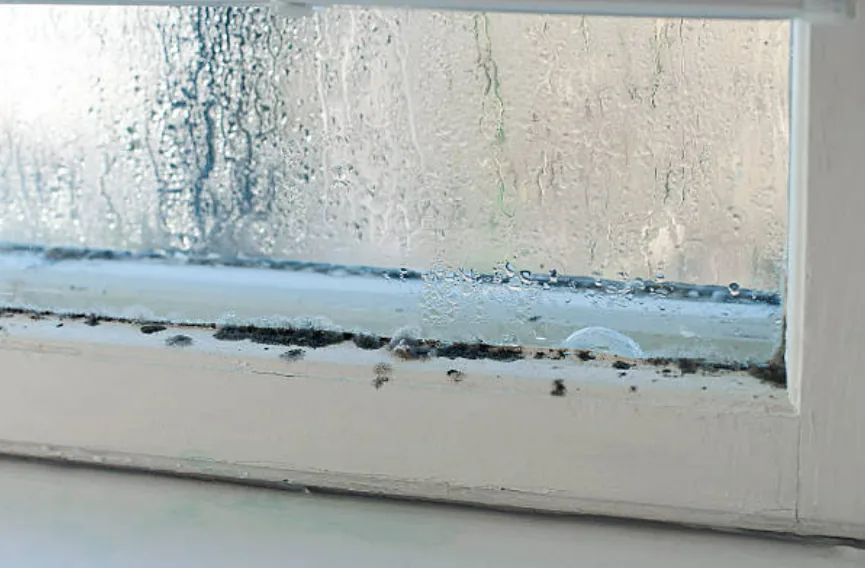
Similar to sliding doors, window leaks require specific attention:
-
Inspect Window Frames: Check for any gaps or rot in the frames, which may indicate that the window needs to be replaced or repaired.
-
Apply Window Film: In some cases, applying window film can provide an extra layer of protection against leaks and improve energy efficiency.
Preventative Measures
Preventing leaks before they start is always better than fixing them after they occur. Here are some tips:
-
Regular Maintenance: Schedule regular inspections of your sliding doors and windows, especially before harsh weather seasons.
-
Invest in Quality Products: When remodeling or replacing doors and windows, choose high-quality products designed for durability and energy efficiency.
-
Educate Homeowners: If you’re a home remodeling company, educate your clients on the importance of regular maintenance and inspections for their sliding doors and windows.
Conclusion
Addressing leak issues in sliding doors and windows is essential for maintaining a comfortable and secure home. By identifying the source of the leaks and implementing these effective solutions, homeowners can protect their property from water damage and enhance their living space’s functionality. If you’re looking for professional assistance, expert sliding door repairs or glass repairservices don’t hesitate to reach out to JDM Sliding Doors. We’re here to help ensure your sliding doors and windows perform at their best, providing you peace of mind for years to come.