Introduction
If you’ve ever looked at a shower door panel, sliding glass door, or storefront window and thought, “Can you cut tempered glass to make it fit?” you’re not alone. It’s a common question, especially when a piece is almost the right size.
Here’s the bottom line: tempered glass is a safety product, and once it’s tempered, it’s not meant to be trimmed like regular glass. Below are 5 facts that explain why, plus the safest alternatives if you need a custom size.
If you need a replacement panel or custom-cut glass for a door or window, start here: JDM Glass Repair & Cutting Services
If your issue is foggy insulated glass in a sliding door, this guide explains repair vs replacement: Can You Repair Foggy or Cloudy Glass in a Sliding Door?

Fact 1) In Almost All Cases, You Can’t Cut Tempered Glass After It’s Tempered
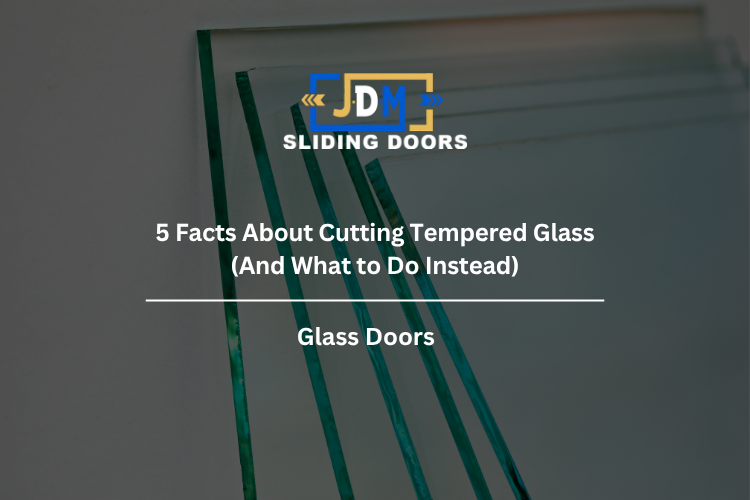
Tempered glass gets its strength from internal stress created during the tempering process. Once that stress profile exists, trying to score or cut it like normal glass usually causes it to fracture or shatter.
The National Glass Association confirms this clearly: tempered glass cannot be cut or drilled after tempering.
Fact 2) Any “Modification” After Tempering Can Cause Sudden Failure
Even when it doesn’t shatter immediately, post-temper alterations (like grinding, etching, or edge work) can introduce weak points that lead to premature failure, which is exactly what safety glazing is designed to avoid. The U.S. Consumer Product Safety Commission (CPSC) regulates safety glazing in doors precisely because of these risks, and industry standards require that all cutting and alterations be done before tempering.
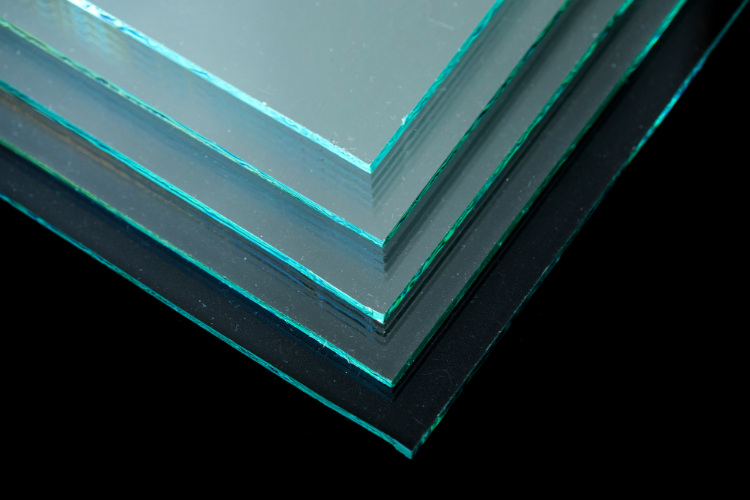
Fact 3) Tempered Glass Is Common in Doors Because It’s Safety Glazing
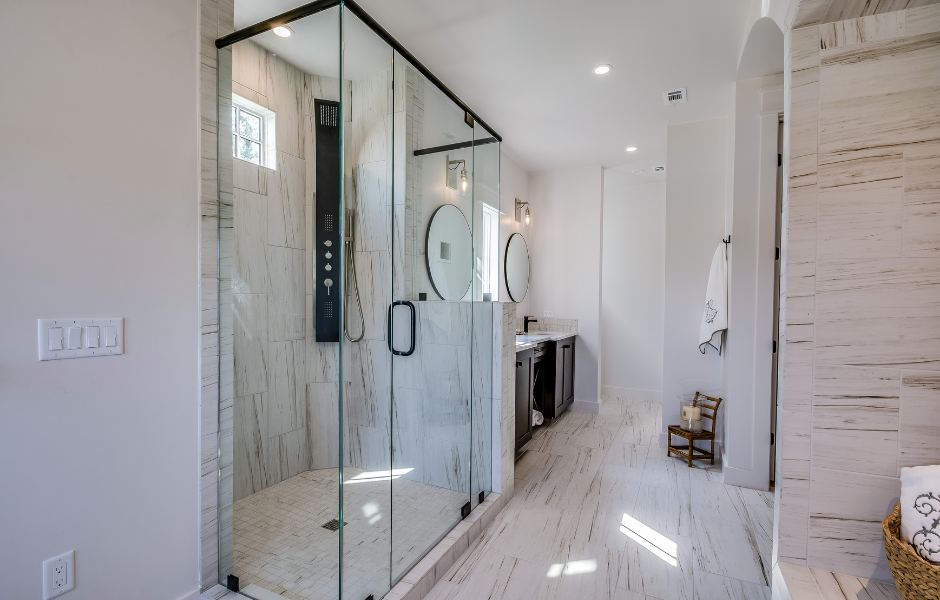
Tempered glass is used in places where people are most likely to fall into or impact glass, like shower enclosures, sliding doors, storefront entrances, and many interior partitions. For a full overview of glass options, see Different Types of Glass for Sliding Doors. The goal is safer breakage behavior compared with regular annealed glass.
Fact 4) “DIY Hacks” Don’t Solve the Core Issue
You’ll see a lot of DIY advice online about cutting tempered glass wet, drilling first, or using a stronger cutter, but the tempering stress is still there. That’s why the most reliable outcome when cutting tempered glass is a pile of small shards.
If your project depends on a clean edge, precise size, or safety compliance, it’s better to use one of the alternatives below rather than gamble.
Fact 5) The Safe Alternatives Are Simple (and Usually Faster Than You Think)
If you need tempered glass in a different size, here are the options that actually work:
Option A) Order the Piece Cut First, Then Tempered
This is the standard workflow: the glass is cut, drilled, and edged while it’s annealed, and then it’s tempered afterwards. Industry guidance explicitly notes that cutting and alterations must be done prior to tempering.
Option B) Replace the Panel
If you’re dealing with a sliding door panel, shower door glass, or storefront glass, replacement is often the safest and cleanest solution. If it’s a shower door, our step-by-step guide on How to Install a Shower Door walks you through the full process, especially if the existing glass is chipped, cracked, or the wrong size.
Start here: JDM Glass Repair & Cutting Services
Option C) If It’s Foggy Insulated Glass, Replace the IGU, Not the Whole Door
If your sliding door is cloudy between panes, the fix is usually the insulated glass unit (IGU), not a full door replacement.
See: Can You Repair Foggy or Cloudy Glass in a Sliding Door?
Option D) Don’t Risk Injury: Glass Handling PPE Matters
If you’re handling broken or damaged glass at all, prioritize safety: eye protection, cut-resistant gloves, and careful handling.
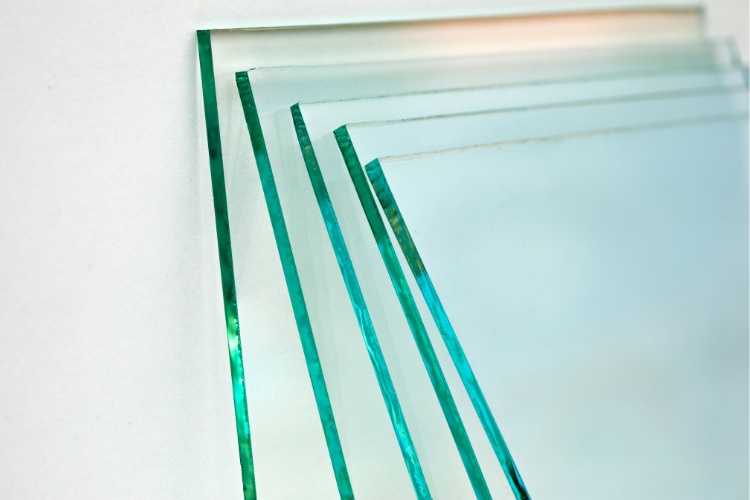
Quick Checklist: How to Tell if Your Glass Is Tempered
Tempered glass often has one or more of these signs:
- A small etched “bug” or stamp near a corner (manufacturer mark)
- It’s used in a door, shower enclosure, or storefront
- When viewed at an angle in certain light, you may see slight distortion patterns (not always obvious)
When in doubt, assume it might be tempered and treat it as safety glazing.
When to Call a Pro
Call a glass pro if:
- The glass is in a door (sliding door, storefront, shower door)
- You need precise sizing, holes, notches, or polished edges
- The panel is cracked or chipped (safety risk)
- You’re unsure if it’s tempered
A quick consultation can save you from ordering the wrong part, or even creating a dangerous break.
For custom cutting and replacement help: JDM Glass Repair & Cutting Services