Short answer: yes. 1/4 inch (6 mm) tempered safety glass is the code-minimum and entirely sufficient for most framed and semi-frameless shower doors in U.S. homes. But if you are planning a frameless shower enclosure, heavy sliding door, or anything over roughly 30 inches wide, you will almost certainly want 3/8 inch or 1/2 inch instead. The reason has nothing to do with safety ratings (all thicknesses of tempered glass pass the same federal standard) and everything to do with rigidity, hardware fit, and how the door feels to use.
This guide breaks down exactly when 1/4 inch is fine, when it is not, what the building code actually requires, and what the real-world differences are between the three common shower glass thicknesses.
The Quick Answer: What Code Actually Requires
All glass used in a shower enclosure must be safety glazing: it must either be tempered or laminated. This is a federal requirement under 16 CFR Part 1201 (the CPSC Safety Standard for Architectural Glazing Materials), which applies to all shower and bath enclosures regardless of state or local code. The standard defines two impact categories:
- Category I: passes a 150 ft-lb impact test. Permitted for glazing up to 9 square feet in most locations.
- Category II: passes a 400 ft-lb impact test. Required for all shower doors and tub enclosures, regardless of size.
Here is the critical point: 1/4 inch tempered glass passes Category II. From a pure safety-code standpoint, 1/4 inch tempered is legal and sufficient for any residential shower door in the United States. If someone tells you it is not safe enough, they are either confused about the code or trying to upsell you.
So Why Do People Install Thicker Glass?
If 1/4 inch meets code, why do so many modern bathrooms use 3/8 inch or 1/2 inch glass? The answer is almost entirely about structural rigidity and hardware, not safety:
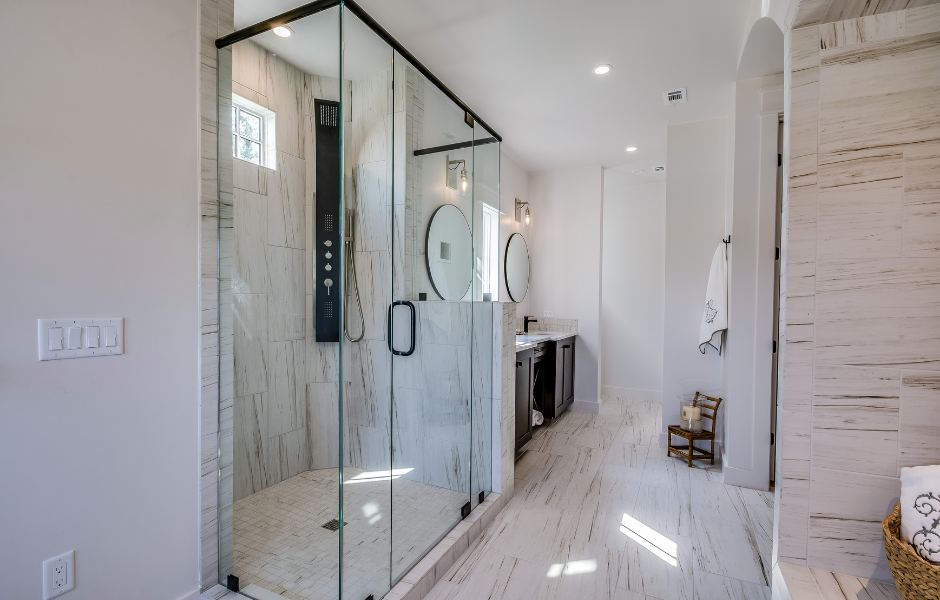
- Frameless enclosures need thicker glass: without a metal frame wrapping all four sides, the glass itself has to hold its shape. A 1/4 inch frameless panel would flex noticeably and could sag at the hinges.
- Heavier glass feels more premium: 3/8 inch and 1/2 inch doors swing with a satisfying weight that 1/4 inch simply cannot match. This is a big part of why high-end bathrooms use thicker glass.
- Hardware compatibility: most frameless hinges, clamps, and pivot hardware are built to clamp 3/8 inch or 1/2 inch glass. Using 1/4 inch with frameless hardware often is not even an option.
- Less visible flex and vibration: a thin panel can wobble slightly when the door closes, which looks cheap on an otherwise expensive bathroom.
- Better acoustic dampening: thicker glass transmits less sound, which matters in a bathroom adjacent to a bedroom.
When 1/4 Inch Tempered Glass Is the Right Choice
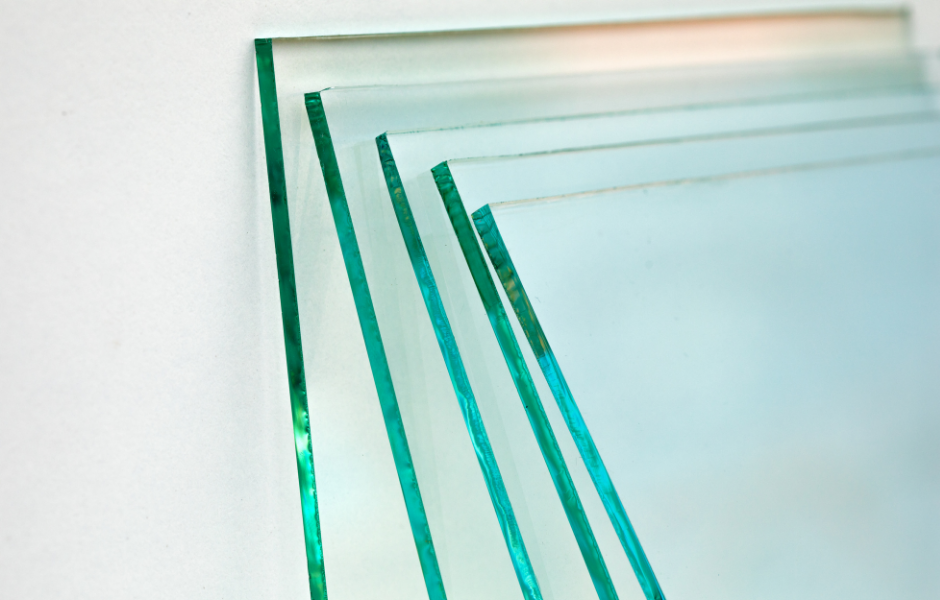
Go with 1/4 inch (6 mm) if:
- You are installing a framed shower door (full metal frame around all edges)
- The door is a sliding bypass or bi-fold style (these are always framed or semi-framed)
- Your shower is in a rental, guest bathroom, or any cost-sensitive project
- You want the lightest-weight option for easier installation
- The opening is under about 24 inches wide and the glass panel is well-supported
- You are replacing an existing 1/4 inch panel and the frame is sized for that thickness
For most framed shower doors in apartments, older homes, and mid-range builds, 1/4 inch tempered glass is exactly what the manufacturer specifies and exactly what the hardware is designed for. Installing thicker glass in a frame built for 1/4 inch will not work: the rollers, guides, and seals will not fit.
When You Should Upgrade to 3/8 Inch or 1/2 Inch
Go thicker if:
- You want a frameless enclosure: 3/8 inch is the minimum and 1/2 inch is preferred for anything over 30 inches wide.
- The door is a single swinging pivot panel: pivot hinges create concentrated stress at the top and bottom; thicker glass resists flex and sag.
- The panel is tall: anything above 72 inches should be at least 3/8 inch, regardless of width.
- You are building a walk-in or curbless shower: fixed panels in walk-in designs are usually 3/8 inch or 1/2 inch so they do not flex when water hits them.
- You are remodeling for resale value: buyers and appraisers notice the difference between 1/4 inch framed and 3/8 inch frameless immediately.
A Head-to-Head Comparison
Here is how the three common thicknesses compare across the factors that actually matter:
| Factor | 1/4” (6 mm) | 3/8” (10 mm) | 1/2” (12 mm) |
|---|---|---|---|
| Meets federal safety code | Yes | Yes | Yes |
| Works with framed doors | Yes | No | No |
| Works with frameless | No | Yes | Best |
| Weight (per sq ft) | ~3.3 lbs | ~5 lbs | ~6.5 lbs |
| Typical cost per sq ft | $15 - $25 | $25 - $45 | $40 - $65 |
| Rigidity / feel | Flexible | Solid | Premium |
| Best for | Framed doors | Most frameless | Large frameless |
How to Tell What Thickness You Currently Have
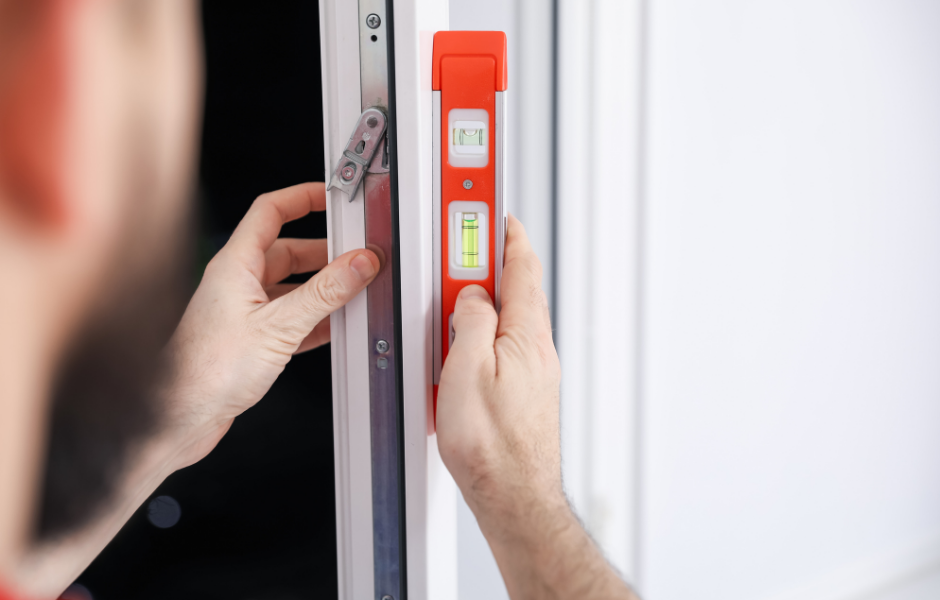
If you are planning a repair or replacement and are not sure what is already installed, there are three quick ways to check:
- Measure the edge: open the door and measure the thickness of the glass itself with a caliper or ruler. 6 mm = 1/4”, 10 mm = 3/8”, 12 mm = 1/2”.
- Look for the tempered stamp: all tempered safety glass is required to carry a permanent mark in one corner, usually reading something like “ANSI Z97.1” or “16 CFR 1201.” Some manufacturers include the thickness in the mark.
- Check the frame type: if it is a framed door with metal all the way around, it is almost certainly 1/4 inch. Frameless doors are almost always 3/8 inch or 1/2 inch.
The tempered stamp is also how you verify that your current glass is actually safety-rated in the first place. Shower enclosures installed by unlicensed contractors sometimes use non-tempered glass, which is both illegal and genuinely dangerous: if a non-tempered panel breaks, it creates sharp shards instead of small pebbles.
What About Laminated Glass?
Laminated safety glass (two panes bonded with a plastic interlayer) is also permitted under 16 CFR 1201 for shower enclosures. It is much rarer because it is heavier and more expensive than tempered, but it has one real advantage: if it breaks, it holds together instead of shattering. Some high-end designers specify laminated glass for shower ceilings or over-tub panels for exactly this reason.
For a standard shower door, tempered is still the industry default: it is lighter, cheaper, and shatters into small rounded pebbles that are much less likely to cause injury than annealed glass shards.
Common Myths About Shower Glass Thickness
- “Thicker glass is safer”: not true in any meaningful sense. All three thicknesses pass the same Category II impact test. Thicker glass is stiffer, not safer.
- “1/4 inch will explode if you slam it”: tempered glass does not “explode” from normal use. Spontaneous breakage does happen (usually from nickel sulfide inclusions in the glass itself), but it is rare and unrelated to thickness.
- “All frameless doors need 1/2 inch”: 3/8 inch is perfectly acceptable for most frameless enclosures up to about 30 inches wide. 1/2 inch is an upgrade, not a requirement.
- “Thicker glass lasts longer”: the biggest cause of shower glass failure is hardware corrosion and seal degradation, not glass wear. A 1/4 inch door installed with premium hardware will outlast a 1/2 inch door with cheap clamps.
How to Choose the Right Thickness for Your Project
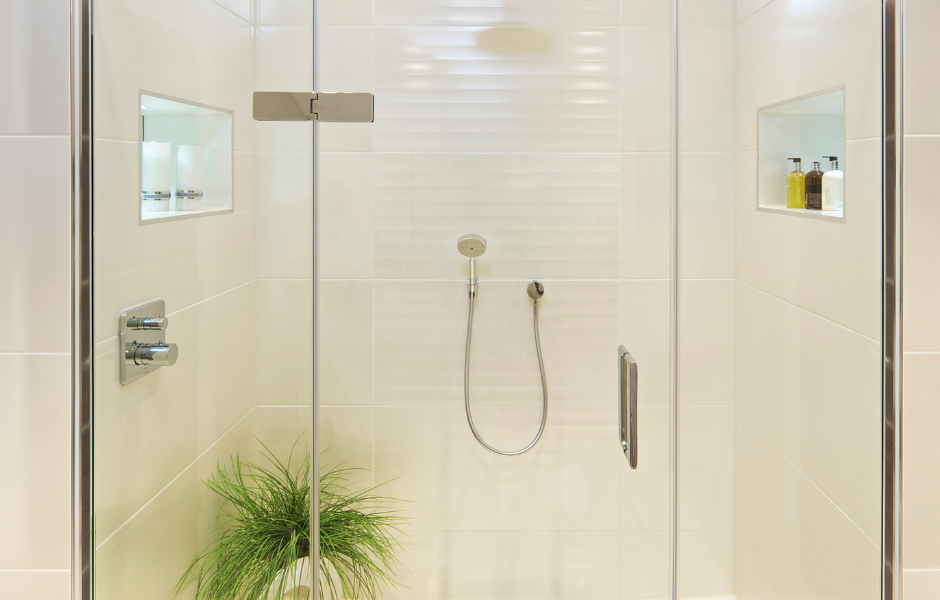
Work through these four questions in order:
- Is this a replacement or a new install? If replacement, match whatever is already in the existing frame or hardware, because mismatches cause fit and seal problems.
- Is it framed, semi-frameless, or frameless? Framed = 1/4 inch. Semi-frameless = usually 1/4 inch or 3/8 inch. Frameless = 3/8 inch minimum, 1/2 inch preferred.
- How wide and tall is the panel? Any single panel over 30 inches wide or 72 inches tall should step up to 3/8 inch or 1/2 inch.
- What is your budget? Thicker glass and frameless hardware together typically add $400 to $1,500 to a project compared to a standard framed door.
When to Call a Professional
- You are not sure whether your current shower glass is actually tempered
- You are planning a frameless enclosure and need hardware, hinges, and glass sourced together
- You need custom-cut glass (notched for plumbing, curved, or oversized)
- The existing frame or curb is damaged, warped, or out of square
- You are combining the shower door with a new glass panel, steam enclosure, or bath remodel
A professional shower door installer can measure your opening, recommend the right thickness and hardware, and handle the tempered glass fabrication, which you cannot do yourself once glass has been tempered. Tempered glass must be cut, drilled, and notched before the tempering process; any modification after tempering will shatter the panel. JDM Sliding Doors offers full shower door and glass services throughout South Florida, including custom tempered glass fabrication and frameless enclosure installation.
The Bottom Line
- 1/4 inch tempered safety glass meets federal code and is sufficient for any framed shower door
- Frameless enclosures need 3/8 inch or 1/2 inch glass, not for safety, but for rigidity and hardware fit
- All tempered glass thicknesses pass the same Category II impact standard under 16 CFR 1201
- Always verify the tempered stamp in the corner of any shower glass; non-tempered glass in a shower is both illegal and dangerous
- Match replacement glass to the thickness your existing hardware was designed for
- Tempered glass cannot be cut or modified after tempering; always measure twice before ordering
Need help choosing the right shower glass or installing a new enclosure in South Florida? Contact JDM Sliding Doors for a free on-site consultation. We will measure, recommend the right thickness for your space, and handle the fabrication and installation start to finish.