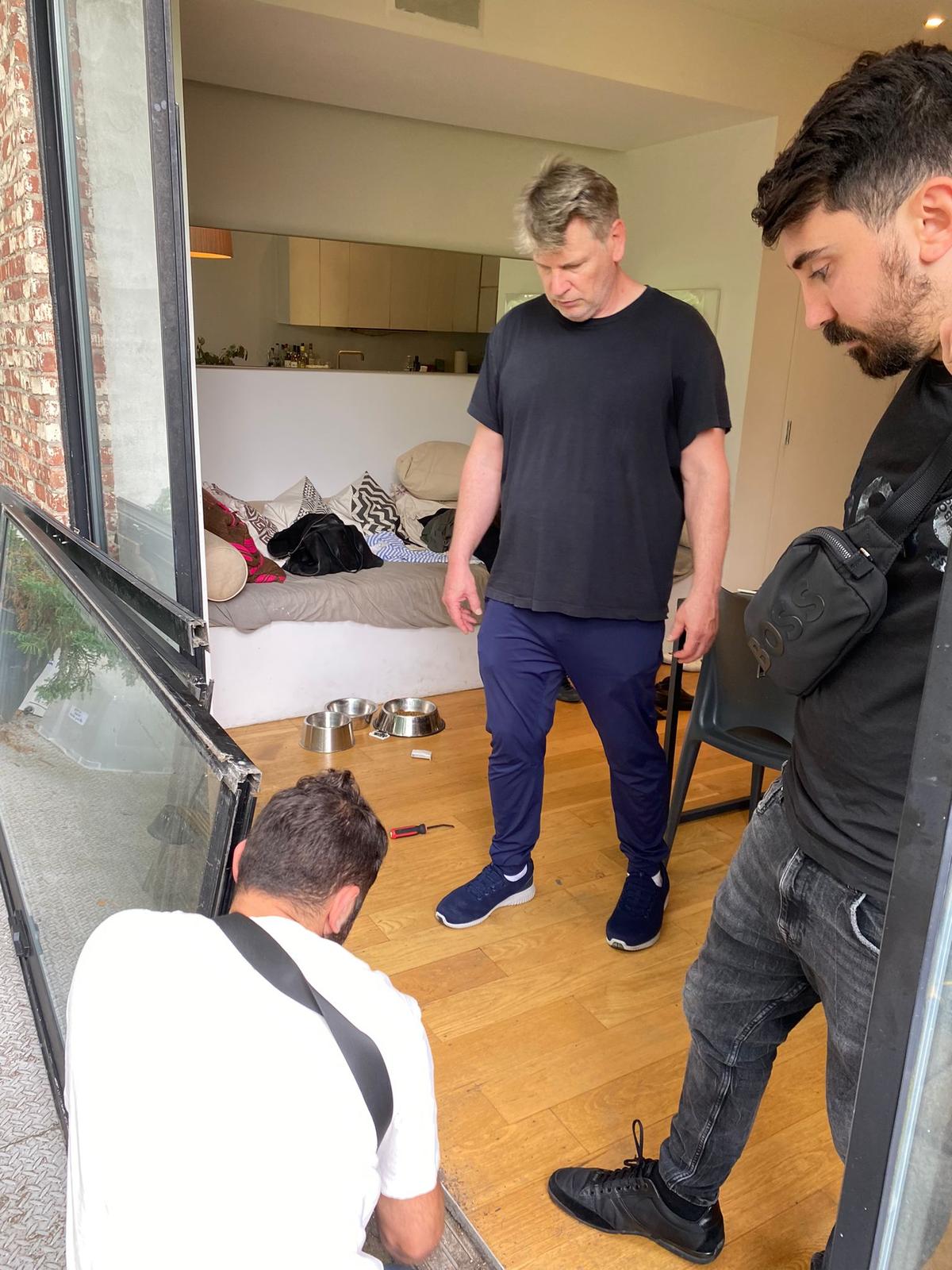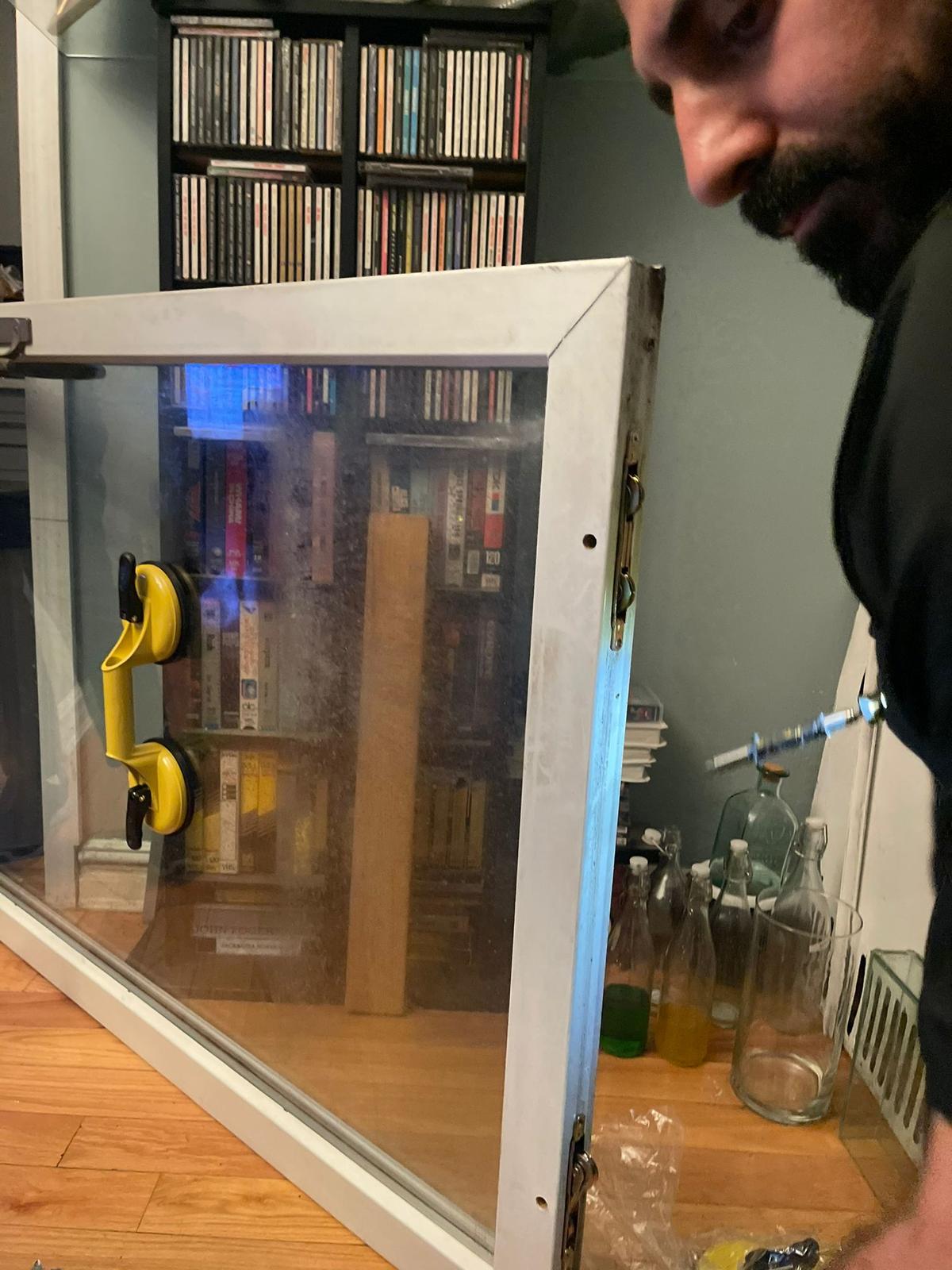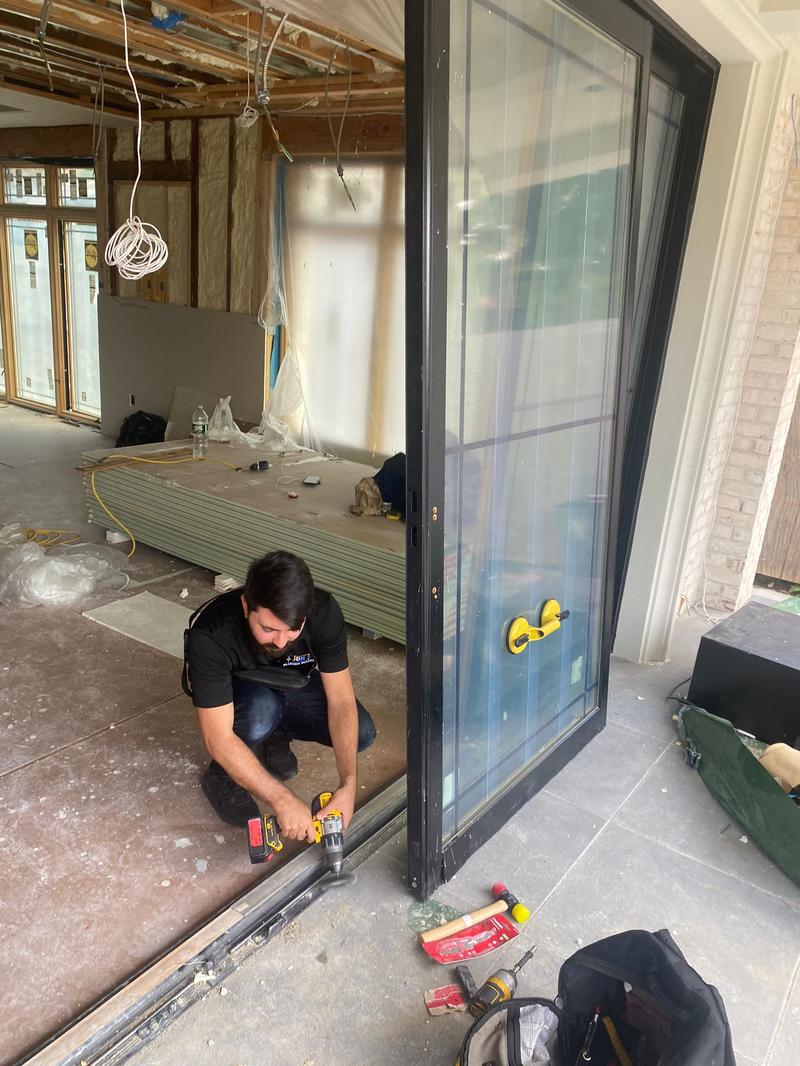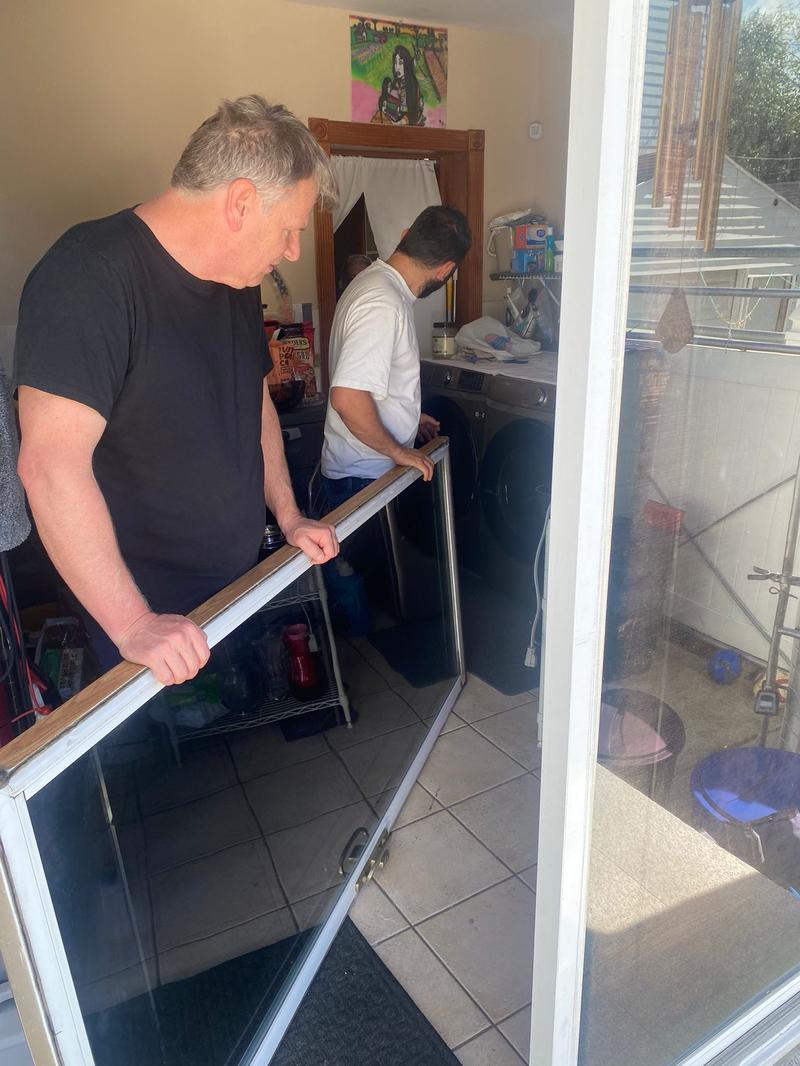
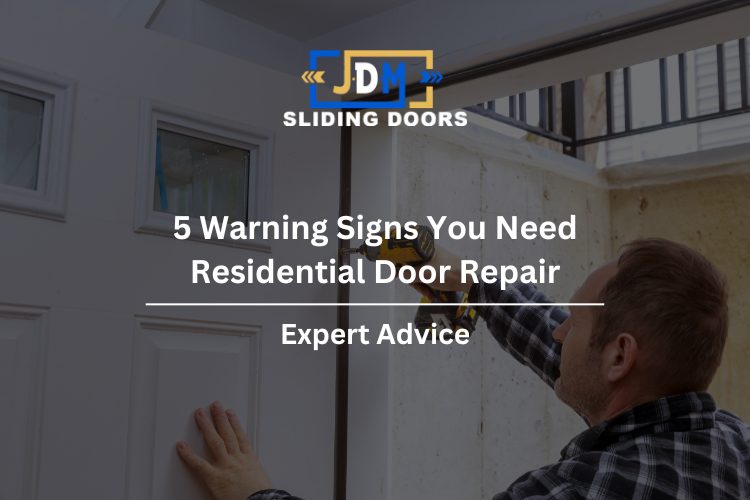
Your home’s doors do more than open and close—they protect your family, boost curb appeal, and help regulate comfort and energy use. But when signs of wear show up, ignoring them can cost you more than just frustration. Below are the 5 major warning signs that it’s time for professional residential door repair, backed by data and practical tips.
1. Your Door Sticks, Scrapes, or Won’t Close Smoothly
When a door drags, rubs, or won’t line up properly, it’s usually a symptom of misalignment, warping, or hardware failure. In South Florida’s humid climate, this is especially common, as wood frames swell and metal components corrode.
Why it matters:
-
A door that doesn’t close properly often cannot seal the opening effectively, letting in drafts and moisture.
-
Delaying repair means screws loosen further, hinges sag, tracks bend, and you risk needing full replacement rather than a simple sliding door repair.
What to do:
-
Try a simple fix like cleaning the track or tightening hinge screws—but if the issue returns, schedule professional residential door repair.
-
Check for visible rub marks, floor/skirting contact, or a slider panel catching on its track.
2. You Feel Drafts or Notice Rising Energy Bills
If you’re feeling cold/hot air near your door perimeter, or your utility bills are creeping up, your doors may be leaking— and according to experts, leaks around doors and windows are a major source of wasted energy.
-
ENERGY STAR says that sealing air leaks and adding insulation can provide up to ~10% savings on annual energy bills.
-
The U.S. Department of Energy (DOE) notes that many homes have significant air leakage around doors and windows, and proper sealing is key.
Why it matters:
-
Doors that aren’t sealing properly force your HVAC system to work harder—driving up costs and lowering lifespan.
-
Because South Florida homes face both heat load and moisture intrusion, door sealing is doubly important.
What to do:
-
Walk around your door frames when it’s windy—if you feel a draft or see visible gaps you might need service.
-
Ask a professional to inspect weatherstripping, thresholds, and frame alignment as part of residential door repair.
3. Your Door Makes Strange Noises (Squeaks, Grinding, or Rattling)
A noisy door isn’t just annoying—it’s telling you something is going wrong with the mechanics (hinges, rollers, frame alignment).
-
A continuous squeak or grinding sound means friction, wear, or hardware failure.
-
Rattling during wind or operation often means the door/track/hardware is loose or misaligned.
Why it matters:
-
Ignoring these noises lets damage spread—to the frame, track, slab or the door panel itself. That means higher repair or full replacement cost.
-
Smooth, quiet operation is part of a well-sealed, well-aligned door—so the sound of your door matters for comfort and longevity.
What to do:
-
Ask about inspecting rollers, tracks (for sliders), hinges and whether the frame is square.
-
A quick lubrication may help, but if noise persists, that’s a signal to call in a professional specializing in residential door repair.
4. Visible Damage — Cracks, Dents, or Soft Spots
When you can see damage—such as a dented metal door, a softened wood edge, or warped glass panels—you should act sooner rather than later. Material-specific issues:
-
Wood doors: moisture can cause swelling, rot, and soft spots—especially in humid climates like Fort Lauderdale.
-
Metal doors: dents and rust reduce structural integrity and corrosion can advance faster in coastal zones with salt air.
-
Glazed/sliding assemblies: cracks in the glass can lower impact or wind resistance, which matters in storm-prone areas.
Why it matters:
-
Even small cracks or soft spots compromise your door’s ability to seal, secure, and protect your home.
-
In wind-borne debris regions (like Broward County), building codes require certain impact-resistance or structural integrity for door openings. Compromised doors may fail under stress.
What to do:
-
Inspect your doors regularly for visible damage.
-
If you see damage, book a residential door repair technician who can assess if repair (patch/replace hardware) is enough—or if full replacement is required for safety and compliance.
5. Difficulty Locking or Securing the Door
When your door latch doesn’t align, the lock doesn’t catch smoothly, or you find you have to jiggle the handle to lock it—you’ve entered “risk zone.”
-
According to the Federal Bureau of Investigation (FBI), 55.7% of burglaries involved forcible entry, and 62–63% of burglaries occurred at residential properties.
-
According to MoneyGeek, front doors remain the primary entry point for burglars—so a door that doesn’t properly secure is a weak link.
Why it matters:
-
A door that won’t lock securely compromises your family’s safety and may void some insurance policies.
-
Misalignment also stresses locks and handles, eventually requiring a full sliding door lock replacement.
What to do:
-
Test your lock: does it engage smoothly? Is the strike plate flush? Does the door wiggle when locked?
-
If it feels loose or misaligned, call for residential door repair: a technician can realign frames, adjust hinges, reset strikes or replace hardware for improved security and compliance.
Why Professional Residential Door Repair Is Worth Every Penny
DIY may be tempting for “minor” issues—but risks remain: wrong adjustment, poor hardware choice, missed underlying damage. A professional technician will:
-
Diagnose root causes (e.g., moisture, settlement, hardware fatigue)
-
True the frame and ensure plumb/square alignment
-
Replace appropriate hardware (hinges, rollers, locks) with quality parts
-
Add or repair weatherstripping, thresholds, and seals
-
Verify ergonomic operation, proper locking, and inward/outward swing (for hurricane zones)
-
Ultimately restore comfort, security and energy performance.
Typical repair costs often fall in the $200–$300 range (for standard residential doors) rather than full replacement, making timely repair cost-effective.
Restore Your Door — and Your Peace of Mind
If your doors show any of these warning signs—sticky movement, drafts, noise, visible damage or lock trouble—don’t wait. Book a professional residential door repair service now to restore smooth operation, save on energy and reinforce your home’s security.
Ready to get started? Contact our team at JDM Sliding Doors today for a free inspection and quote.