Introduction
A sliding door that jumps the track can go from “annoying” to “dangerous” fast — especially if the glass is loose, the rollers are worn, or the track is damaged. If you’re wondering how to fix a sliding door off track, the key is to start with safe checks first, then move into simple adjustments before attempting any lifting or roller work.
Below are 9 practical fixes you can try. And if the door is heavy, grinding, or the frame looks twisted, it’s smarter (and safer) to get a pro involved.
If you’d rather skip the risk, JDM can handle off-track doors, rollers, and track issues: Sliding Door Repair Service
If you’re hearing grinding, check this guide: Grinding Noises? When to Replace Your Sliding Door Rollers
If the door won’t slide smoothly (even on track), see: What to Do When Your Sliding Glass Door Won’t Slide Easily
Before You Start: 3 Safety Rules
- Don’t force the door if it’s crooked or binding — forcing can crack glass or bend the frame.
- Keep hands away from pinch points (especially near the bottom rollers and track).
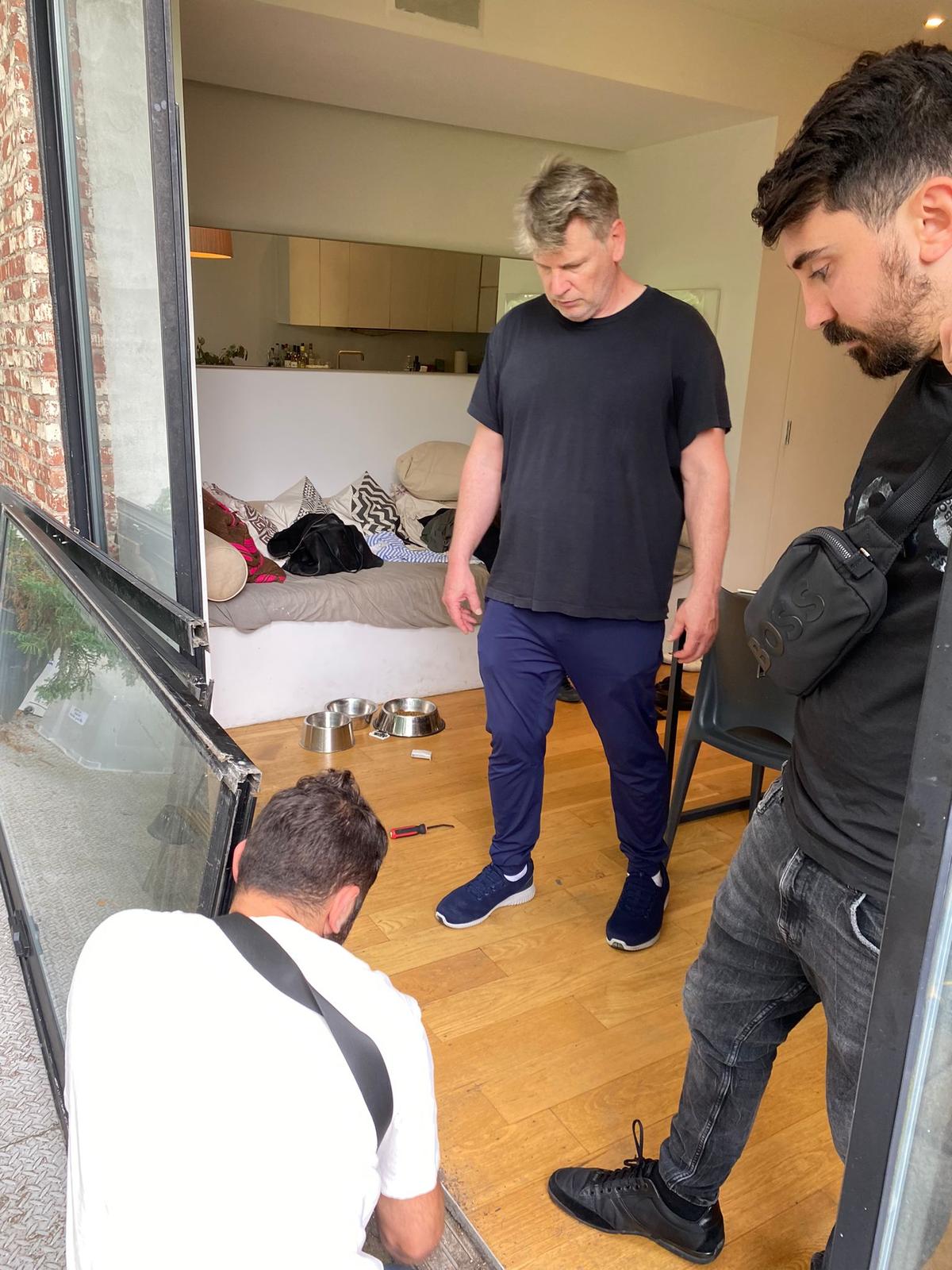
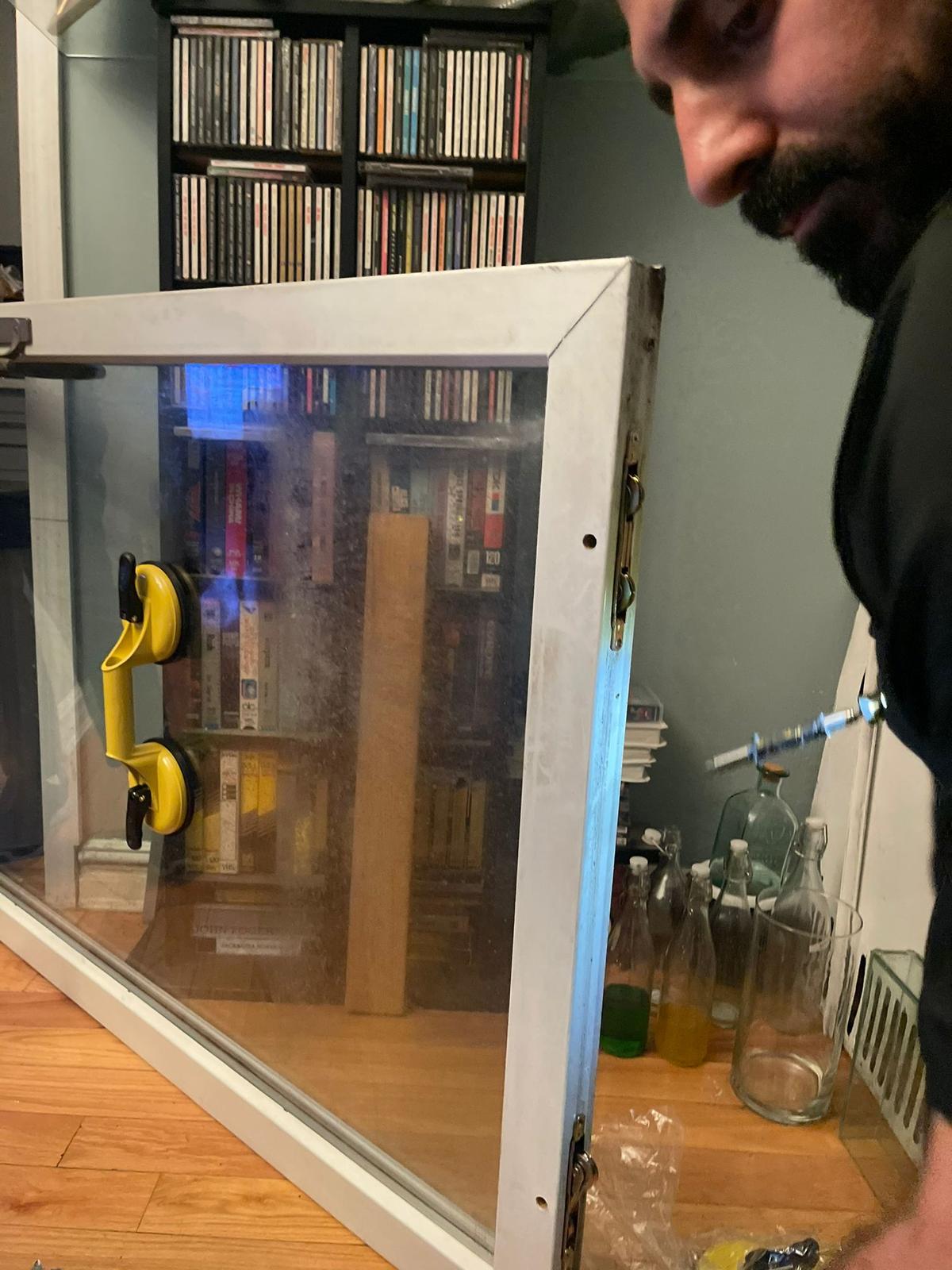
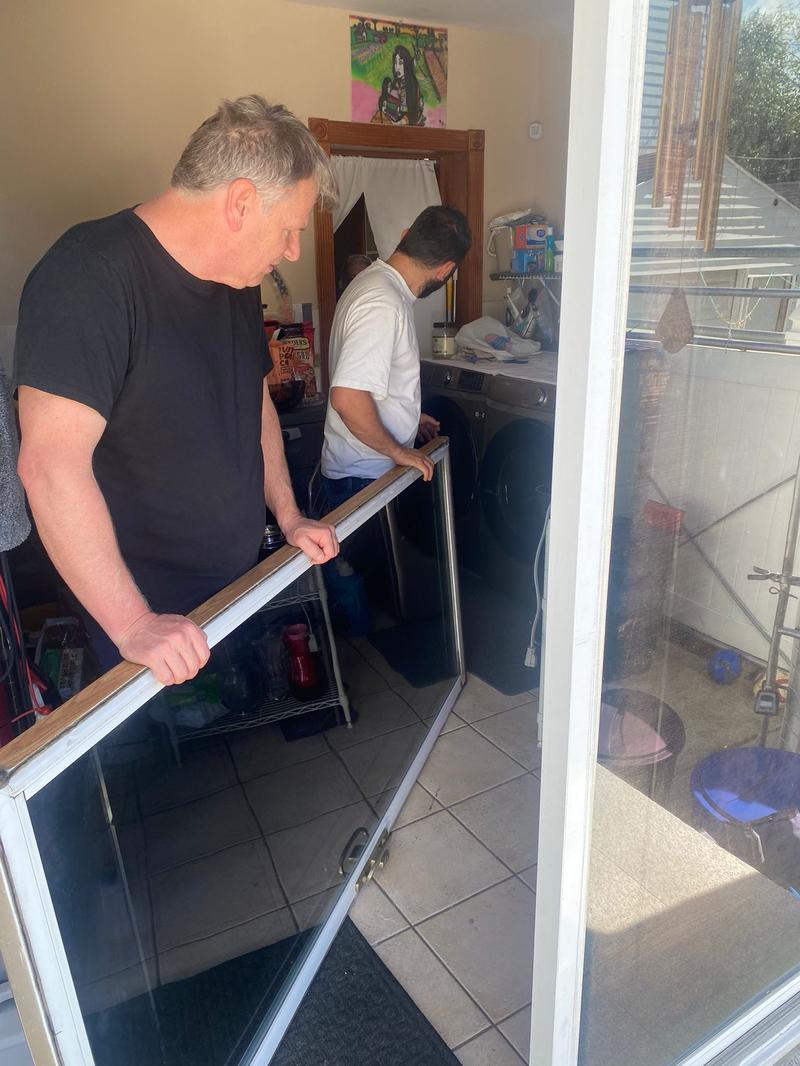
- If the door is large/heavy, get help. Sliding door panels can be awkward and dangerous to lift alone.
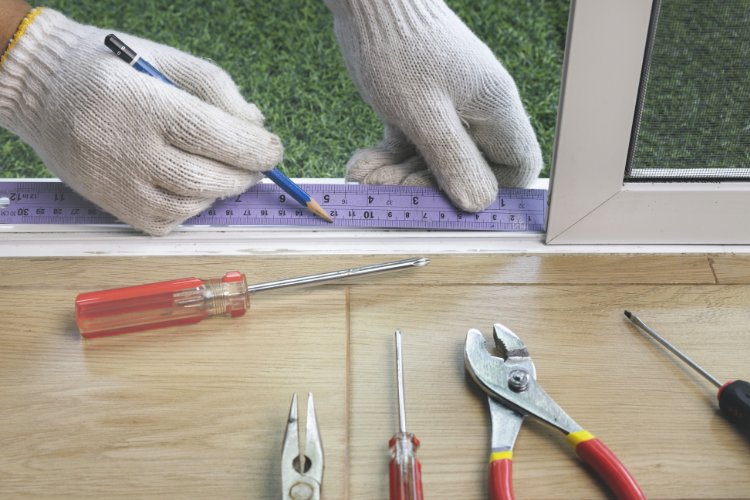
1) Look for Obvious Obstructions in the Track
Most “off track” events start with something small:
- Pebbles/sand (very common in coastal areas)
- Hardened debris
- A loose screw
- Bent metal in the track
Use a flashlight and check the full length of the track. Remove debris carefully (a plastic scraper works better than metal tools that can gouge the track).
2) Clean the Track Thoroughly (Not Just a Quick Wipe)
Even if you can’t see grit, it can build up enough to lift rollers and derail the panel.
Quick method:
- Vacuum the track (crevice tool)
- Wipe with a damp cloth
- Dry it fully
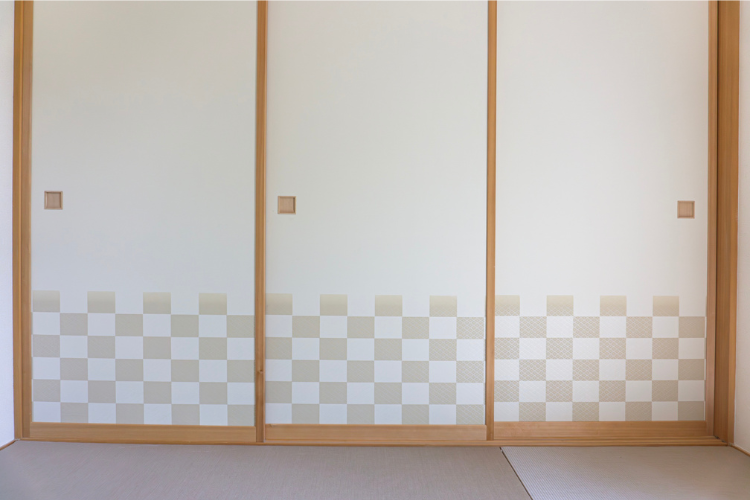
3) Check if the Door Is Sitting Unevenly
If one roller is lower than the other, the panel can tilt and climb out of the track.
Stand inside and look:
- Is the gap at the top wider on one side?
- Does the door lean?
- Does it rub on one side of the frame?
Uneven gaps often mean uneven rollers or a bent track.
4) Locate the Roller Adjustment Screws
Most sliding doors have roller adjustment screws near the bottom corners (sometimes covered by small caps). Turning these raises/lowers the rollers.
General rule:
- Turning one way lifts the door (more clearance)
- Turning the other lowers it
Because hardware varies, do small turns (1/4 turn) and test as you go.
If your door is also grinding, that’s often worn rollers — see Grinding Noises? When to Replace Your Sliding Door Rollers.
5) Lift and Reseat the Door Onto the Track (Only if It’s Safe)
If the door is partially off track but still stable, you may be able to reseat it:
- Open it slightly
- With help, lift the panel up (reduces pressure on the bottom)
- Guide the bottom back onto the track
- Set it down slowly and test movement
If the panel feels unstable or the glass is rattling, stop and call a pro.
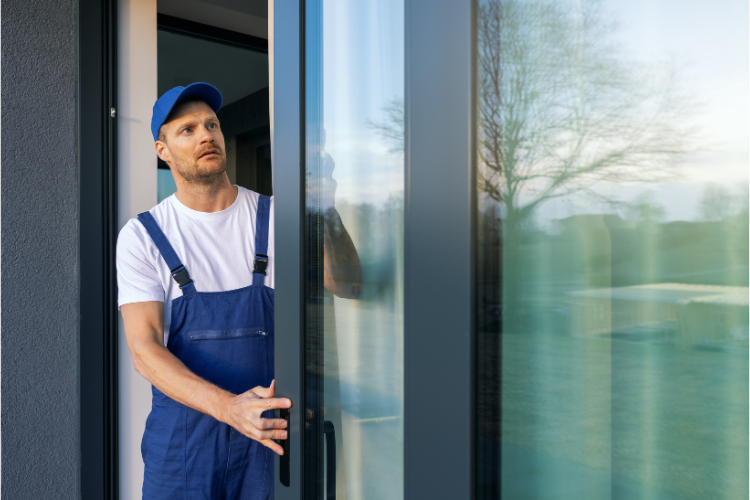
6) Inspect the Bottom Track for Bends, Cracks, or Flattening
A damaged track makes it easy for rollers to climb out.
Look for:
- Flattened spots (common in high-traffic areas)
- Bent lips/edges
- Corrosion or pitting (coastal homes)
If the track is damaged, cleaning and adjusting rollers may help temporarily — but the issue usually comes back until the track is repaired or replaced.
This is exactly what pros address on service calls: Sliding Door Repair Service
7) Check the Rollers for Wear (The #1 Root Cause)
Worn rollers can:
- Wobble
- Drag
- Ride unevenly
- Pop out of the track under pressure
Signs you likely need roller replacement:
- Grinding noises
- Flat spots
- Door feels heavy even after cleaning
- Door jumps off track repeatedly
Deep dive: Grinding Noises? When to Replace Your Sliding Door Rollers
8) Don’t “Lubricate the Problem” With the Wrong Product
A common mistake is spraying oily lubricant into the track. It can turn dust into sludge and make tracking worse over time.
If you use anything:
- Use a dry silicone spray sparingly (on rollers, not as a track “dirt magnet”)
- Avoid heavy grease/oil in sandy environments
If the door still sticks after cleaning, the real fix is usually rollers/adjustment.
9) Test the Lock Alignment
Sometimes the door derails because the lock or keeper is misaligned and the panel catches when closing.
Check:
- Does the latch scrape or hit?
- Does the door need to be lifted to lock?
- Is the keeper loose?
If locking issues are part of the problem, this can help: Top 5 Reasons Your Sliding Door Won’t Lock — Causes & Fixes

When to Stop DIY and Call a Pro
Call a technician if:
- The door is heavy and unstable
- The track is visibly bent or broken
- The door repeatedly comes off track
- The glass is loose, cracked, or rattling
- You hear grinding and the door feels “off” even after cleaning
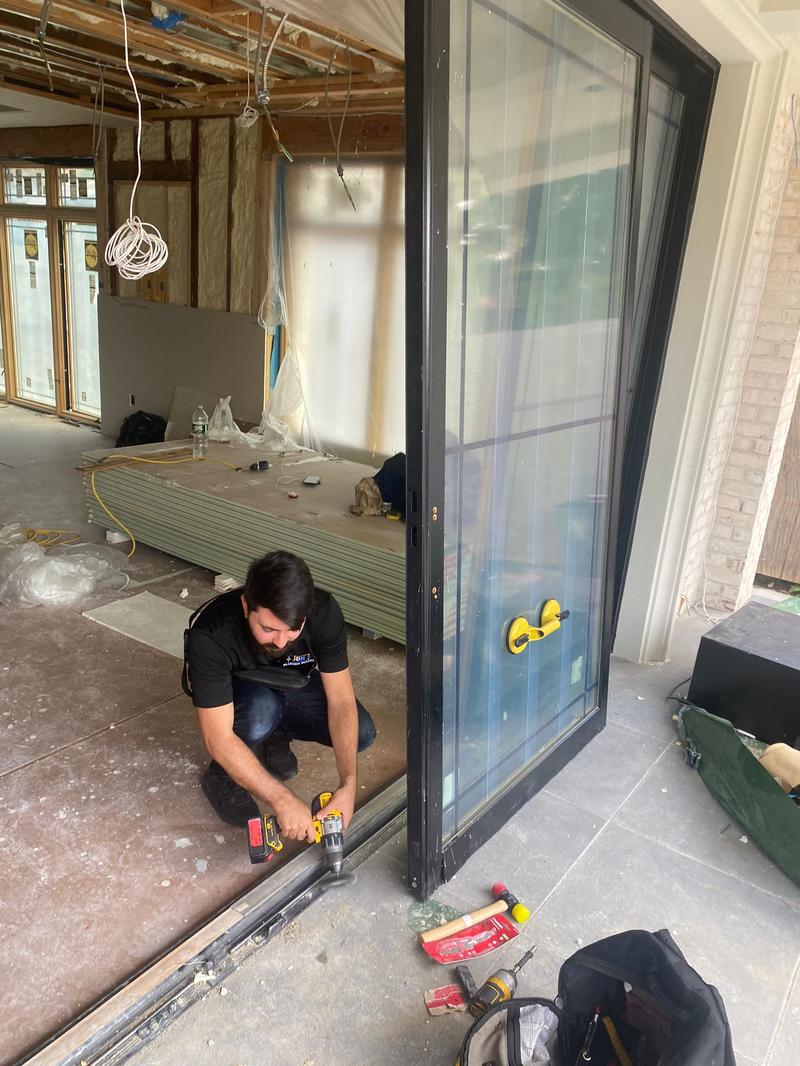
A pro can safely remove the panel, replace rollers, square the frame, and repair/replace track sections.
Start here: Sliding Door Repair Service
FAQ
Can a sliding door fall off the track?
Yes — especially with worn rollers, damaged track lips, or if debris lifts the rollers.
Why does my sliding door keep coming off track?
Usually one of three causes: worn rollers, damaged track, or roller height misalignment.
Should I remove the door completely to fix it?
Only if you know what you’re doing and have help. Sliding glass panels can be heavy and dangerous to handle solo.