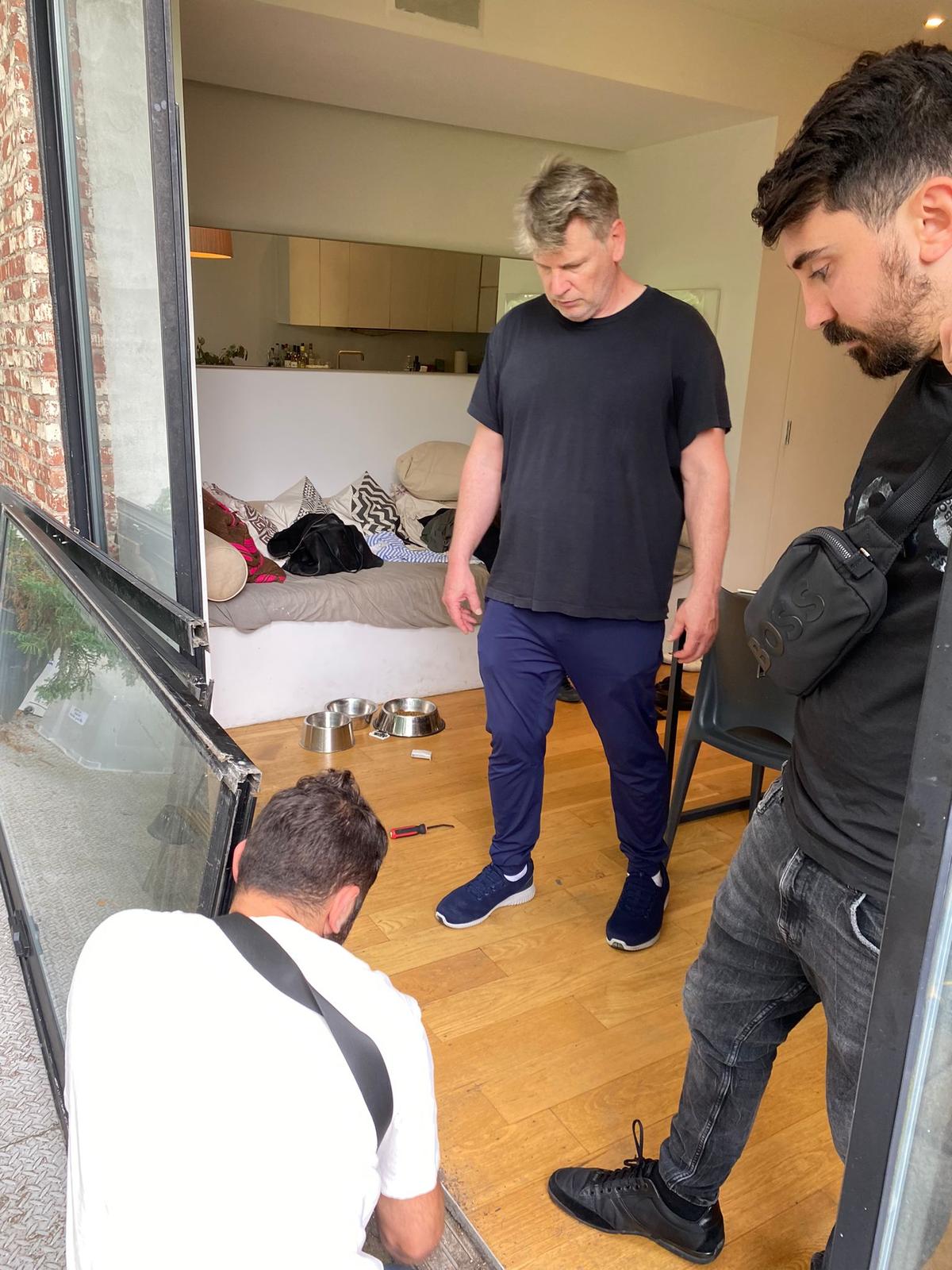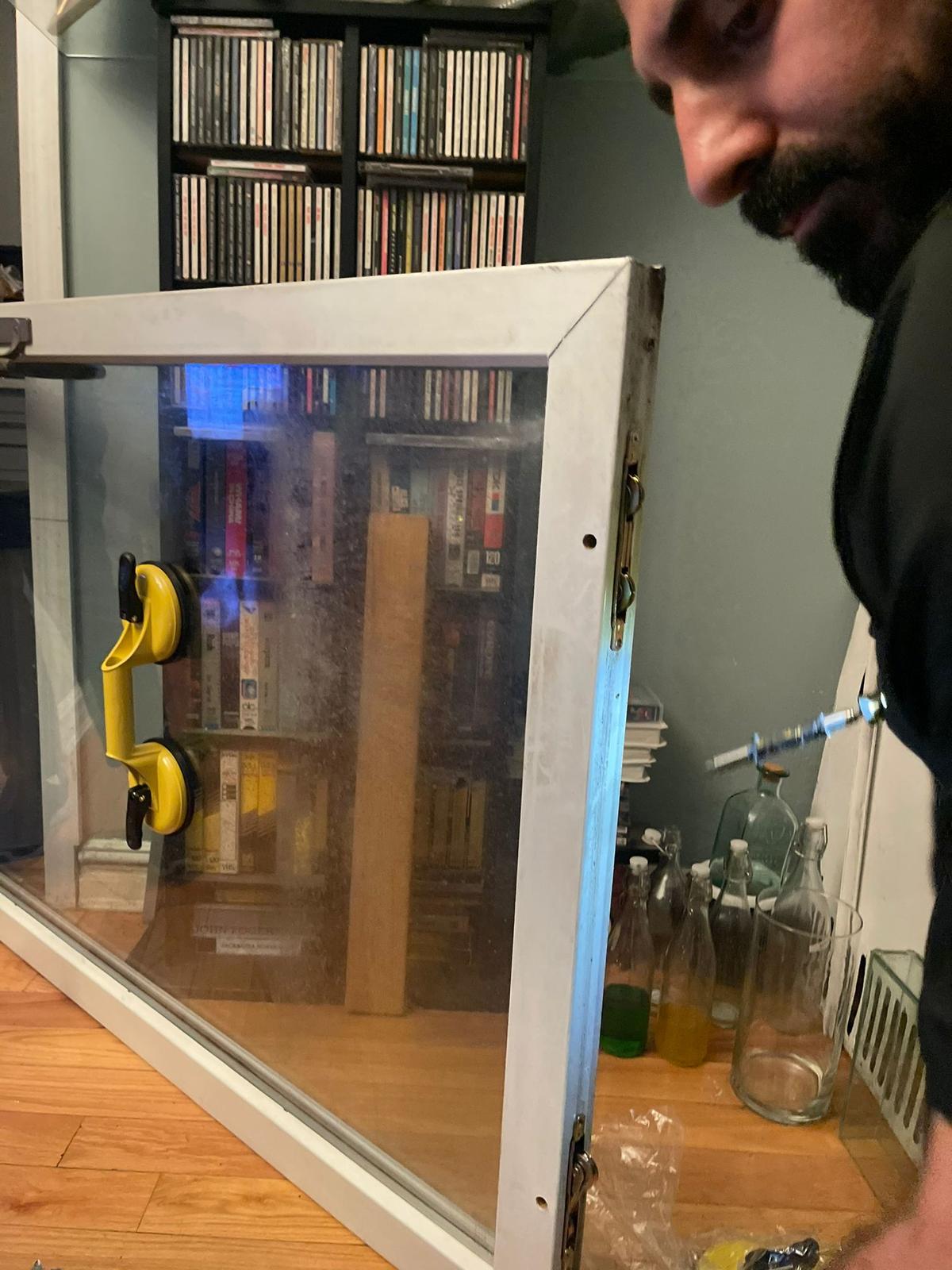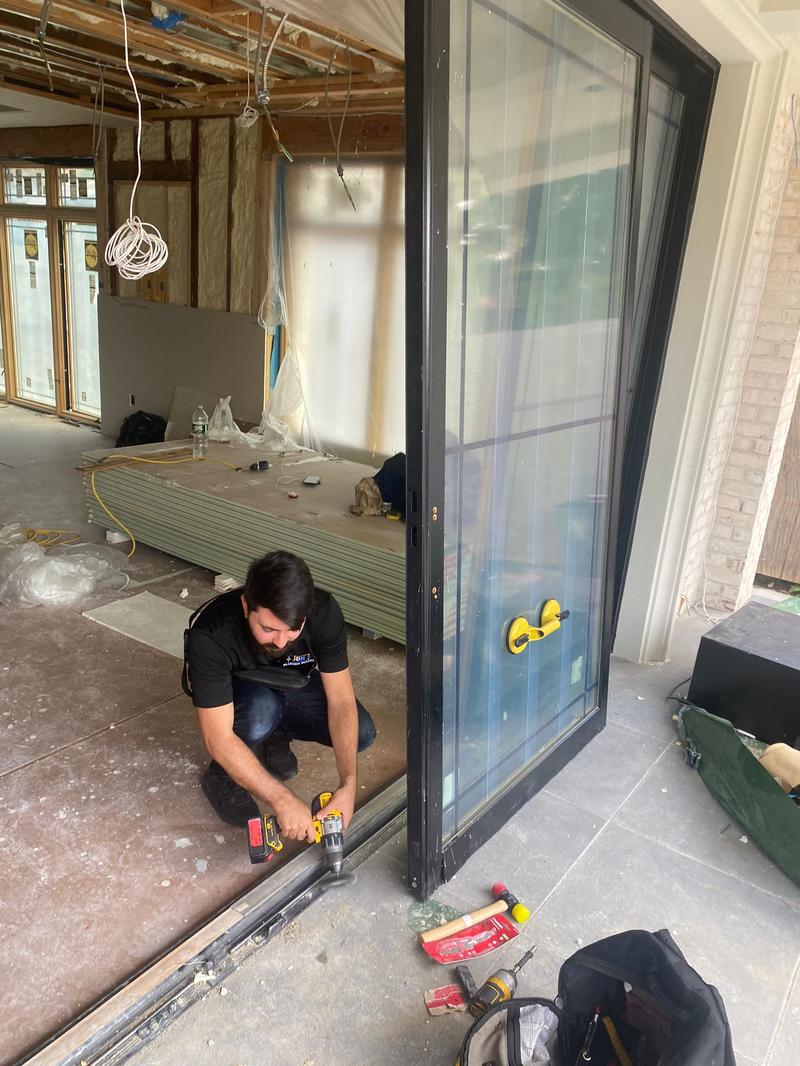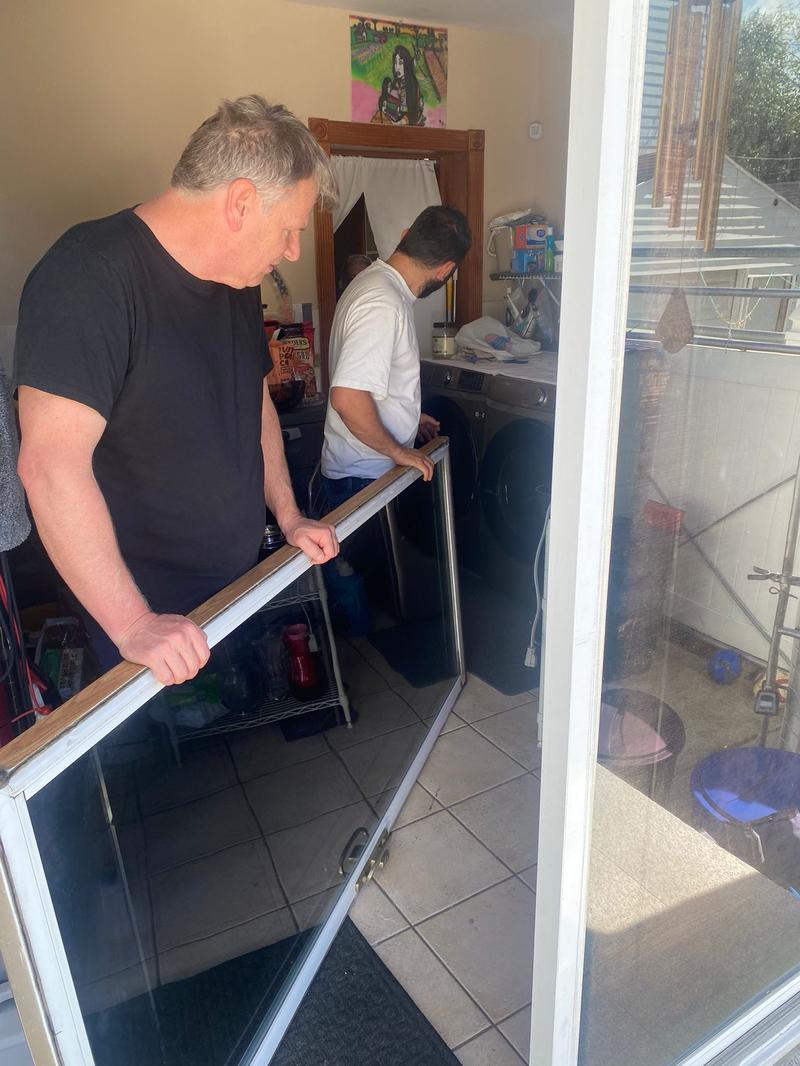
When I reflect on all the service calls we’ve handled at JDM Sliding Doors over the years, one thing stands out: the panic in a homeowner’s voice when their sliding door lock isn’t working. It’s more than just an inconvenience, it’s a security concern that needs immediate attention. Whether you’re heading out for the day or settling in for the night, knowing your home is secure should never be a worry.
Upgrading locks can significantly enhance your home’s security, providing homeowners with a sense of empowerment and peace of mind.
Problem 1: Lock Won’t Engage or Latch Properly
This is hands down the most frustrating issue homeowners face with their sliding doors. You close the door, flip the lock, and nothing. The latch doesn’t catch, or it barely engages, leaving you wondering if your home is actually secure. I’ve lost count of how many times I’ve arrived at a house where the owner is literally holding their sliding door shut because the lock won’t do its job.
What Causes This Problem?
The root cause is usually misalignment of the door. Sliding doors are heavy. A standard glass sliding door can weigh anywhere from 150 to 300 pounds. Over time, the weight, combined with daily use, causes the door to shift or sag slightly. When the door drops even a quarter inch, the lock mechanism no longer lines up with the strike plate or keeper on the door frame.
The Fix
Minor alignment issues can sometimes be fixed by adjusting the door height using the roller adjustment screws at the bottom of the door. However, if the problem persists or if you’re unsure about the cause, professional sliding door lock repair is essential. Our technicians will assess whether the rollers need replacement, if the track needs adjustment, or if the lock mechanism itself requires expert attention, especially in challenging coastal conditions.
Problem 2: Key Turns but Lock Doesn’t Move
Most sliding door locks use a cylinder mechanism connected to an internal cam or tailpiece. When you turn the key, the cylinder should rotate the cam, which moves the latch bolt. When this connection fails, you get the dreaded “key turns, but nothing happens” scenario.
Common Causes
- Broken cam or tailpiece: The internal component connecting the cylinder to the latch has sheared off or broken
- Loose set screw: The tiny screw holding the cylinder in place has worked loose
- Worn internal components: Years of use have worn down the connection points
- Corrosion: Widespread in coastal areas where salt air attacks metal parts
- Frozen mechanism: Dirt, debris, or old lubricant has gummed up the internal workings
When to Call a Professional
If lubrication doesn’t solve the problem, you’re likely dealing with internal damage that requires lock replacement. At JDM Sliding Doors, we carry a wide range of replacement cylinders and complete lock assemblies. We can often match your existing lock or upgrade you to a more secure, modern system.
Problem 3: Lock Sticks or Is Difficult to Turn
A sticking lock is like a check engine light for your sliding door — it’s your door’s way of telling you something’s wrong before it becomes a bigger problem. Many homeowners overlook this issue, thinking it’s just a natural part of aging or that it’ll resolve itself. Spoiler alert: it won’t, and it’ll probably get worse.
The Maintenance Solution
Regular maintenance is your best defense against stuck locks. Here’s what I recommend to all our clients:
- Every 3-6 months: Apply graphite powder or silicone-based lock lubricant
- Annually: Have a professional inspection of your entire sliding door system
- After storms: Check for water intrusion and clean any accumulated debris
- When it feels different: Don’t ignore subtle changes in how your lock operates
Problem 4: Handle or Lever Breaks or Becomes Loose
The handle is the most tactile part of your sliding door lock system, and it takes a beating. Kids yanking on it, adults pulling too hard when the door sticks, or just years of daily use — handles eventually show their age. When a handle breaks or comes loose, it’s not just inconvenient; it can leave you unable to lock your door correctly.
Types of Handle Problems
Handling issues generally falls into three categories:
- Loose handle: Wobbles or feels unstable, often caused by loose mounting screws or a worn internal spindle
- Broken handle: Physical break in the handle itself, usually at stress points where the handle meets the mounting plate
- Non-functional handle: Handle looks fine, but doesn’t operate the lock — internal mechanism has failed
Quick Fixes vs. Replacement
Loose handles can often be tightened by accessing the mounting screws. Most sliding door handles have screws accessible from the interior side. However, if the mounting holes are stripped or the internal spindle is worn, you’ll need professional sliding door handle services.
Problem 5: Lock Mechanism Visible Damage or Corrosion
Living in Florida means dealing with humidity and the effects of salt air. These environmental factors are particularly harsh on metal components, such as sliding door locks. I’ve seen locks so corroded they’re barely recognizable, and homeowners who had no idea there was a problem until the lock completely seized up.
Can Corroded Locks Be Repaired?
Honest answer? It depends on the extent of damage. Light surface corrosion can sometimes be cleaned, and the lock treated with protective coatings. However, once corrosion affects internal components or the structural integrity, lock replacement is the only safe and reliable solution.
Problem 6: Lock Gets Stuck in Locked Position
Few things are more alarming than being unable to unlock your own sliding door. Whether you’re locked out on your patio or locked in and can’t access your backyard, this problem demands immediate attention. I’ve received panicked calls from homeowners in both situations — sometimes with children or pets on the wrong side of the door.
Why Locks Seize in the Locked Position
When a lock sticks in the locked position, it’s usually because something is preventing the latch bolt from retracting. This can happen suddenly or develop over time.
Emergency Solutions
If you’re locked out or in:
- Don’t force it! Excessive force can break the lock or damage the door
- Try lubricating the keyhole and working the key gently
- If possible, access the lock from the opposite side
- Check if you can remove the mounting screws to detach the entire lock assembly
- Call for emergency sliding door lock repair — we offer same-day service for urgent situations
Problem 7: Lock Doesn’t Provide Adequate Security
Not all lock problems are apparent mechanical failures. Sometimes the issue is that your lock simply isn’t up to the job of securing your home. This is particularly common with older sliding doors that came with basic, builder-grade locks, designed primarily for privacy rather than security.
Understanding Sliding Door Vulnerabilities
Sliding doors have some inherent security challenges. The large glass panels can be broken (though impact window installation addresses this). The doors can sometimes be lifted off their tracks if not adequately secured. Many locks only secure a single point, unlike a standard door with multiple deadbolts.
Security Upgrades Worth Considering
If your current lock isn’t giving you peace of mind, here are upgrades we frequently recommend:
- Multi-point locking systems: Secure the door at multiple points along the frame
- Heavy-duty mortise locks: More robust than surface-mounted locks
- Keyed locks with a deadbolt function: Provides absolute security, not just privacy
- Anti-lift devices: Prevent the door from being lifted off the tracks
- Secondary locks: Charlie bars, foot locks, or track locks for added protection
- Impact-resistant glass: Consider upgrading to impact windows for comprehensive security
The Complete Security Approach
Proper sliding door security requires looking at the entire system, not just the lock. This includes ensuring the door is aligned correctly and can’t be forced open, upgrading to impact-resistant glass, installing a quality lock with proper keying, adding secondary locking devices, maintaining the screen door as an additional barrier, and considering smart lock technology for monitoring access.
When Replacement Is the Better Choice
- The lock is old and showing multiple signs of wear
- Extensive corrosion or structural damage
- The lock is outdated and doesn’t provide adequate security
- Parts are no longer manufactured or available
- You’re upgrading your entire sliding door system
- Cost of repair approaches the cost of a new lock
Annual Professional Service
Once a year, schedule a comprehensive sliding door service that includes lock inspection, roller examination, track cleaning, alignment verification, weather stripping check, and security assessment. This annual checkup catches minor problems before they become major headaches.
Don’t Let a Lock Problem Compromise Your Security
Your sliding door lock might seem like a minor component, but it plays a crucial role in your home’s security and your family’s peace of mind. Whether you’re dealing with a lock that won’t engage, a sticking mechanism, visible corrosion, or any other issue, the time to address it is now — not after it fails at the worst possible moment.
Call JDM Sliding Doors today for same-day service!