As a professional sliding door repair technician with over 25 years of experience, I’ve seen countless sliding doors fall off track for various reasons. Whether it’s due to wear and tear, debris buildup, or simply improper handling, getting your sliding screen door back on track doesn’t have to be a daunting task. With the right approach and a bit of patience, you can have your door gliding smoothly again in no time. Here’s a comprehensive guide to help you through the process.
Step 1: Preparation
Before you dive into fixing your sliding screen door, preparation is key. Start by removing any obstacles or debris from the track. Over time, dirt, dust, and small objects can accumulate in the track, causing the door to derail. Use a vacuum or a stiff brush to clear out any debris. Pay close attention to the corners and edges where buildup is most likely to occur. Ensuring a clean track will make the subsequent steps much easier.
Step 2: Lift the Door
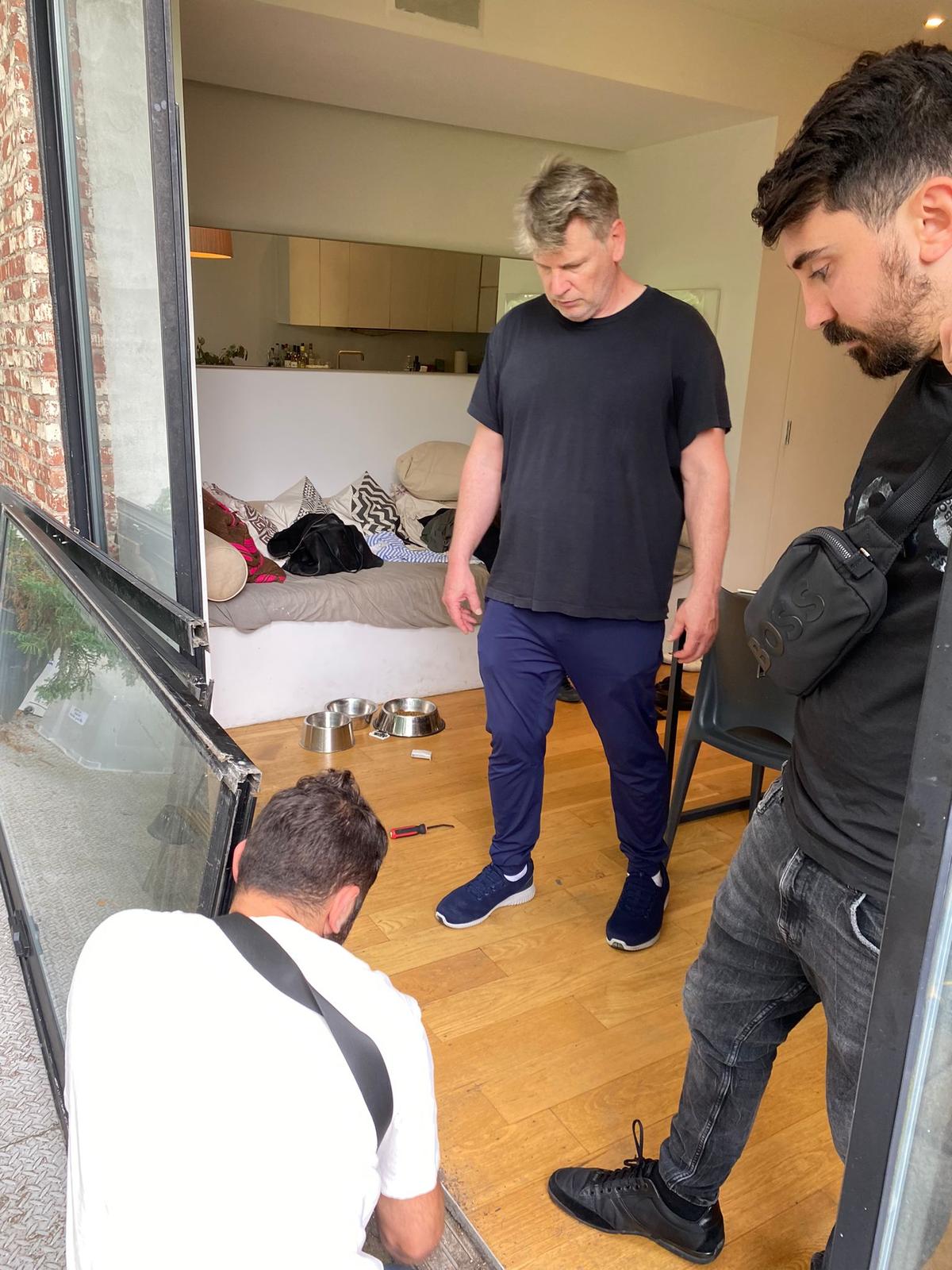
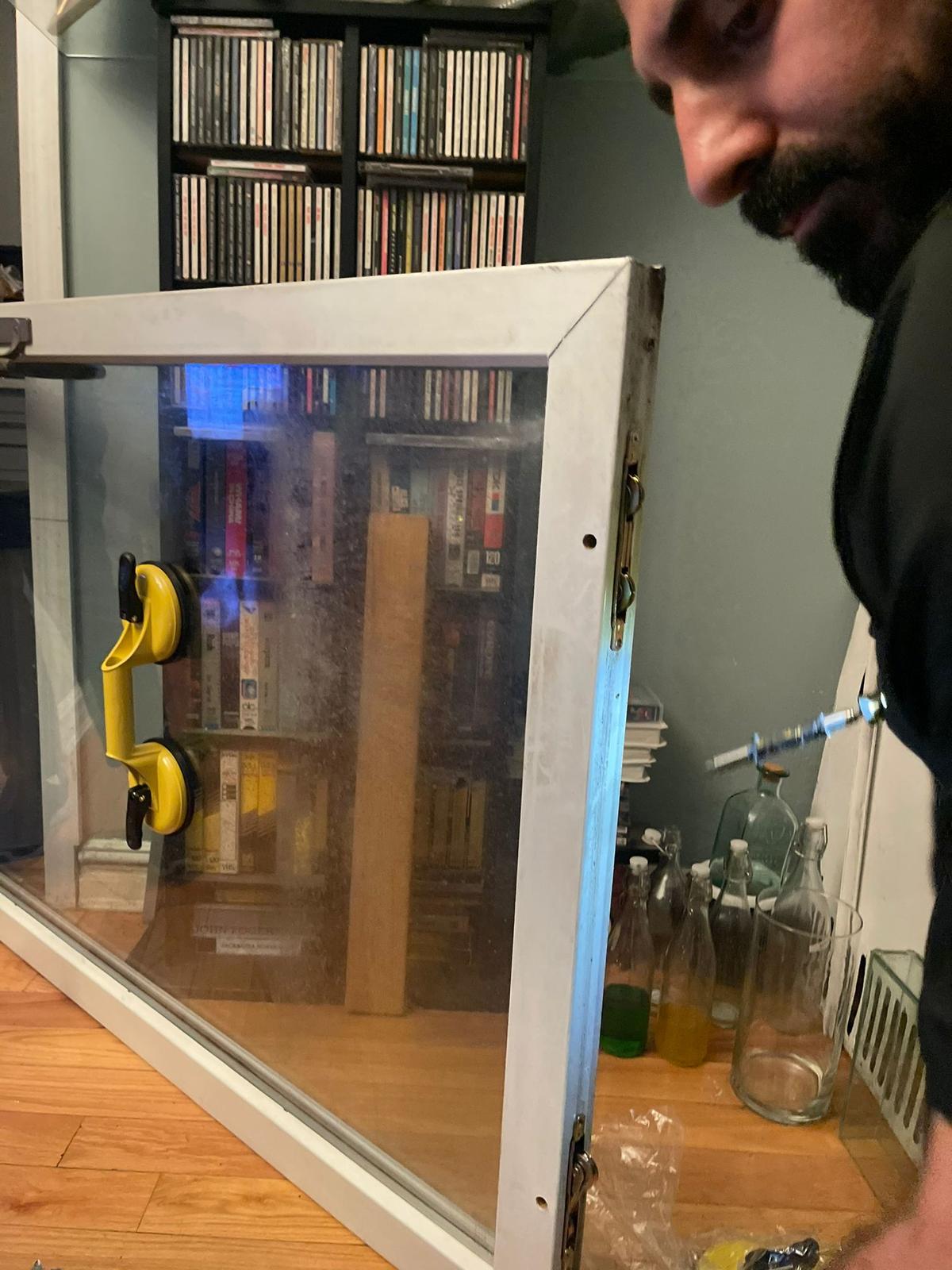
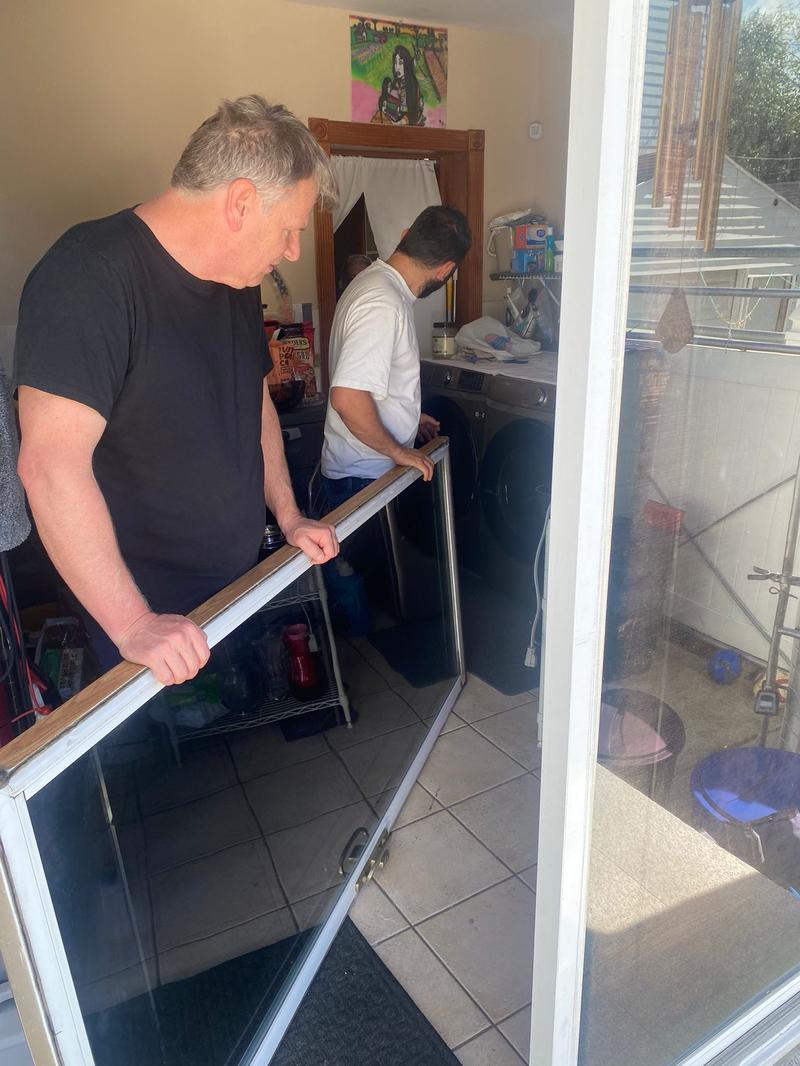
The next step involves carefully lifting the door off the track. Sliding doors are often heavier than they appear, so having an extra pair of hands can be helpful. Stand inside the house and grasp the door firmly on both sides. Lift the door straight up to disengage the rollers from the bottom track. Once the rollers are clear, tilt the bottom of the door towards you and lift it off the top track. Set the door aside in a safe location.
Step 3: Inspect the Rollers and Track
With the door removed, it’s time to inspect both the rollers and the track. Rollers can wear out over time, leading to a bumpy or stuck door. Check for signs of wear and tear, such as flat spots, cracks, or broken pieces. If the rollers are damaged, they will need to be replaced. Additionally, inspect the track for any dents or bends that could impede the door’s movement. Use a flathead screwdriver to gently straighten any bent sections.
Step 4: Clean the Rollers and Track
Even if the rollers and track appear to be in good condition, they may still need a thorough cleaning. Use a damp cloth to wipe down the rollers, removing any accumulated dirt or grime. For the track, a vacuum followed by a wipe-down with a cloth soaked in soapy water can work wonders. Make sure to dry the track completely to prevent rust or corrosion. A clean surface ensures smoother operation and less strain on the rollers.
Step 5: Align the Door
Now that everything is clean and inspected, it’s time to put the door back on track. Position the door near the track, making sure the rollers are aligned with the bottom track. This step is crucial for ensuring the door slides properly once it’s reinstalled. Double-check the alignment by visually inspecting the rollers’ position relative to the track. Proper alignment will prevent the door from derailing again.
Step 6: Reinstall the Door
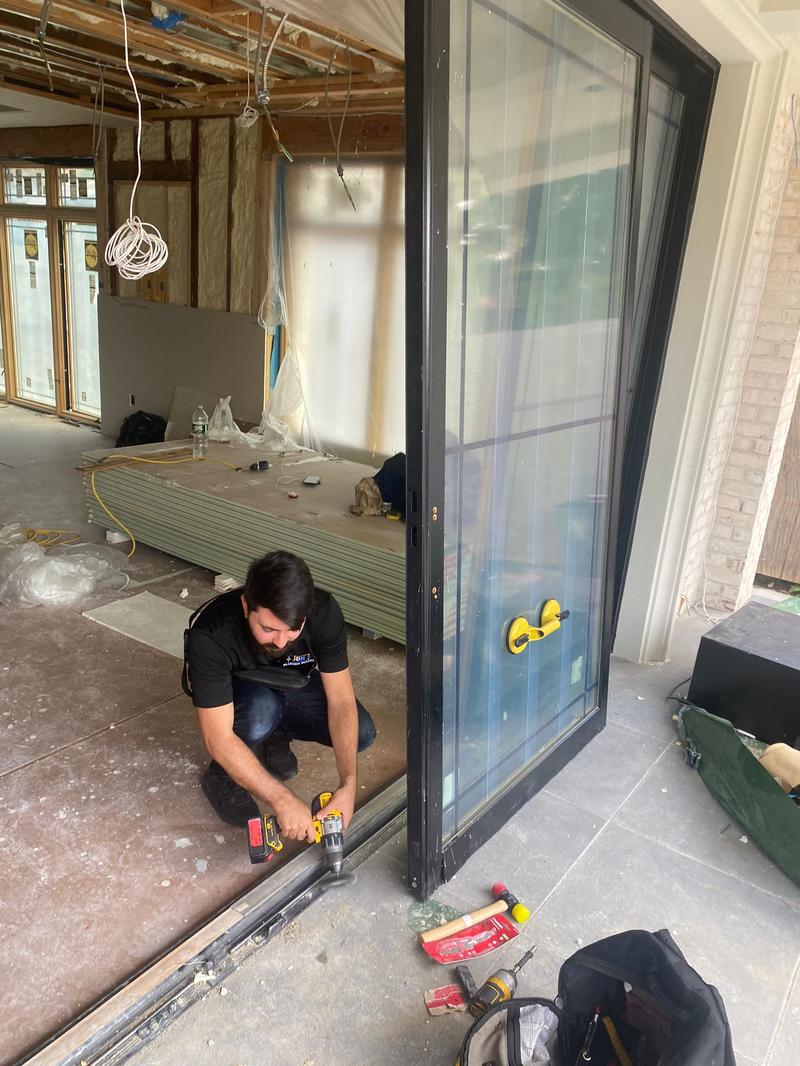
Reinstalling the door can be a bit tricky, but with patience, you’ll get it right. Lift the door and place the top rollers onto the top track first. Once the top rollers are in place, lift the bottom of the door and carefully set the bottom rollers onto the bottom track. Ensure the door is properly seated on the track and test its movement. If the door is difficult to slide, double-check the alignment and make any necessary adjustments.
Step 7: Adjust the Rollers
The final step is to adjust the rollers to ensure the door is level and operates smoothly. Most sliding screen doors have adjustment screws located near the bottom rollers. Use a screwdriver to turn these screws and raise or lower the door as needed. Adjusting the rollers will help to even out the door and make it easier to slide. Test the door several times during this process to ensure it’s gliding smoothly and doesn’t catch on the track.
A Personal Touch
Having worked in the sliding door repair industry for over two decades, I understand the frustration that comes with a malfunctioning door. It’s a small, yet significant, inconvenience that can disrupt your daily routine. Over the years, I’ve encountered various challenges and unique situations, each teaching me something new. From doors that were nearly fused to the track due to rust to those misaligned by mere millimeters, every repair job has added to my expertise.
One memorable instance involved a family preparing for a big backyard gathering. Their sliding screen door had come off track the day before the event, and they were understandably stressed. I arrived early the next morning, armed with my trusty toolkit and years of experience. After a thorough inspection and a few adjustments, the door was back on track, much to the family’s relief. They were able to enjoy their gathering without a hitch, and I was reminded of why I love this job.
Conclusion
Fixing a sliding screen door that has come off track is a manageable task, even for those who may not consider themselves particularly handy. By following these seven steps—preparation, lifting the door, inspecting the rollers and track, cleaning, aligning the door, reinstalling, and adjusting the rollers—you can restore your door to its smooth-sliding glory. Remember, patience and attention to detail are your best tools in this process.
If you ever find yourself struggling or if the problem persists, don’t hesitate to call a professional. With years of sliding door repair experience under my belt, I can assure you that sometimes, a bit of expert intervention is all it takes to get things back on track. Happy sliding!