When choosing the right entryway for your business, one of the biggest decisions is whether to install automatic doors or manual doors. Both options have their advantages, but the best choice depends on factors like foot traffic, accessibility, energy efficiency, and cost.
In this guide, we’ll break down the pros and cons of automatic vs. manual doors to help you determine which suits your business best. Whether you’re running a retail store, office building, healthcare facility, or warehouse, your choice of door can impact safety, customer experience, and operational efficiency.
What Are Automatic Doors?
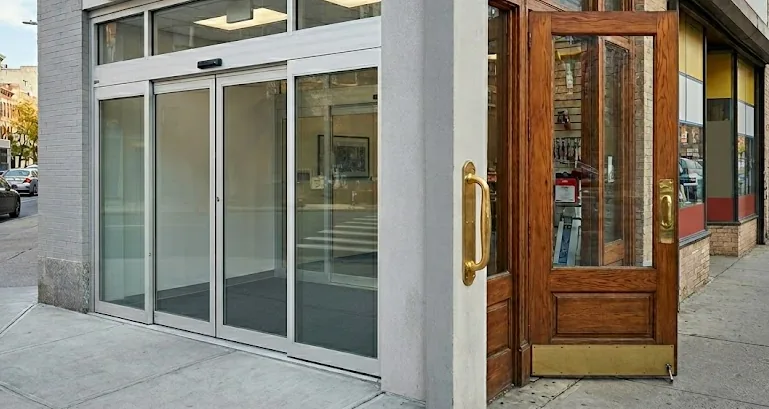
Automatic doors open and close without requiring physical effort from customers or employees. They typically use motion sensors, push-button access, or touchless technology. These doors are commonly found in high-traffic areas like hospitals, shopping malls, and airports.
Types of Automatic Doors:
-
Sliding Doors: Common in retail stores and hospitals, providing seamless entry.
-
Swing Doors: Open like a standard door but use sensors or push buttons for activation.
-
Revolving Doors: Ideal for energy efficiency and controlling indoor air quality.
-
Folding Doors: Useful for maximizing space in small entrances.
Pros of Automatic Doors:
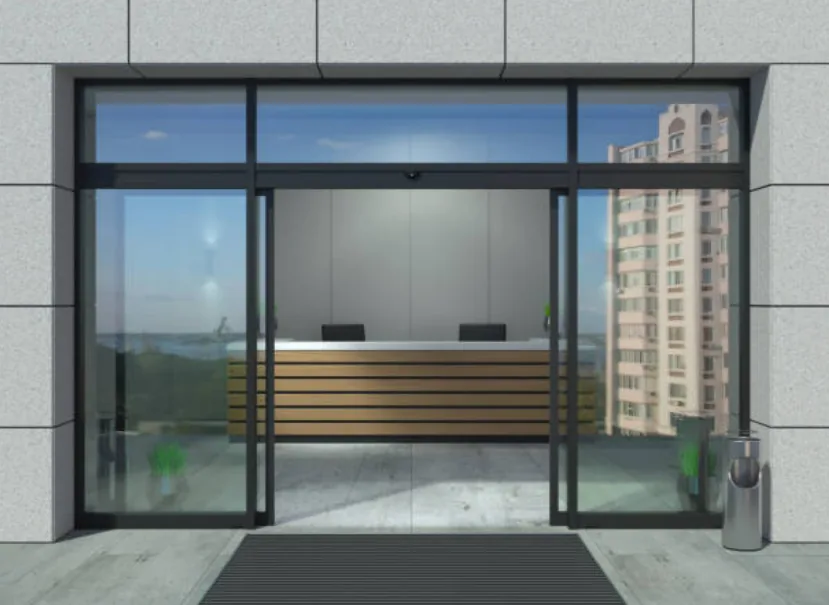
✅ Enhanced Accessibility: Essential for ADA compliance, making it easier for individuals with disabilities, parents with strollers, and those carrying heavy items.
✅ Convenience & Hygiene: No physical contact is required, reducing the spread of germs, especially important in healthcare and food service industries.
✅ Energy Efficiency: Many automatic doors close quickly, preventing unnecessary heat loss in winter and cool air loss in summer.
✅ Modern & Professional Appearance: Gives your business a high-tech, customer-friendly appeal.
✅ Traffic Flow Management: Helps control the entry and exit of customers in busy locations.
Cons of Automatic Doors:
❌ Higher Initial Cost: Installation and maintenance can be more expensive than manual doors.
❌ Ongoing Maintenance: Requires regular servicing to ensure sensors, motors, and safety mechanisms work properly.
❌ Electricity Dependency: Power outages can temporarily disable automatic doors unless a backup power source is in place.
What Are Manual Doors?
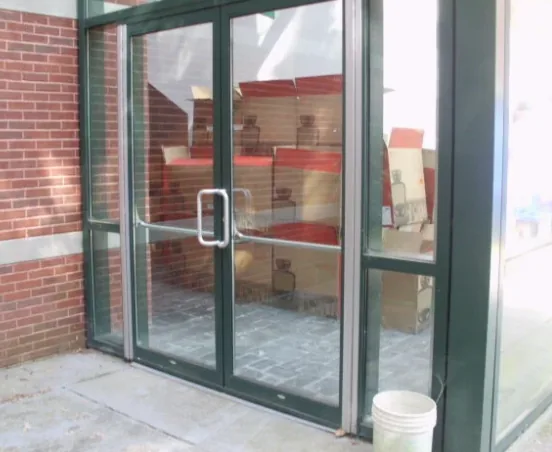
Manual doors are traditional entryways that require pushing, pulling, or turning a handle to open. They are widely used in office buildings, small businesses, and low-traffic commercial spaces.
Types of Manual Doors:
-
Hinged Doors: The most common type, typically used in offices and small shops.
-
Sliding Manual Doors: Require physical effort but take up less space.
-
Double Doors: Great for controlling access in commercial buildings.
Pros of Manual Doors:
✅ Lower Cost: Typically more affordable to install and maintain compared to automatic doors.
✅ Simple & Reliable: No need for electrical components, reducing the risk of mechanical failure.
✅ Variety of Styles: More flexibility in design, materials, and finishes to match business aesthetics.
✅ Security Control: Can be locked more easily without requiring complex security systems.
Cons of Manual Doors:
❌ Less Accessible: Not as user-friendly for individuals with disabilities or those carrying heavy items.
❌ Inconvenient in High Traffic Areas: Can cause congestion in busy environments.
❌ Less Hygienic: Frequent physical contact increases the spread of germs and bacteria.
Which Door Type is Best for Your Business?
Consider These Key Factors:
1. Foot Traffic & Accessibility
If your business experiences high foot traffic (such as a retail store, hospital, or hotel) automatic doors can improve customer flow and accessibility. Manual doors are better suited for businesses with lower foot traffic, like law offices or boutique shops.
2. Budget & Long-Term Costs
Manual doors are more affordable upfront, but automatic doors offer long-term savings through energy efficiency and improved customer experience. If your business relies on accessibility or a high-end appearance, the investment in automatic doors may be worth it.
3. Industry Requirements
-
Retail & Shopping Centers: Automatic sliding doors are preferred to handle high customer volume.
-
Healthcare Facilities: Automatic doors are essential for wheelchair accessibility and hygiene control.
-
Office Buildings: Manual doors may be sufficient, but automatic options provide a modern touch.
-
Restaurants & Cafés: Automatic doors improve accessibility, especially for takeout businesses.
-
Industrial & Warehouses: Manual doors are common, but automatic options can streamline operations.
4. Security Considerations
Manual doors offer simpler locking mechanisms and may be better for businesses prioritizing security. However, automatic doors can integrate with access control systems, offering keycard entry, keypad access, or facial recognition for advanced security.
Conclusion: Choosing the Right Commercial Door for Your Business
Both automatic and manual doors have their advantages. The right choice depends on your business’s specific needs, budget, and operational goals.
-
If accessibility, convenience, and a modern aesthetic are priorities, automatic doors are the way to go.
-
If budget, simplicity, and security control are more important, manual doors might be the better fit.
Whichever option you choose, it’s crucial to ensure proper installation and maintenance to keep your doors functioning optimally. If you need professional commercial door services, whether for installation, repair, or maintenance, our team is here to help.
🚪 Need help deciding? Contact us today for a free consultation!