
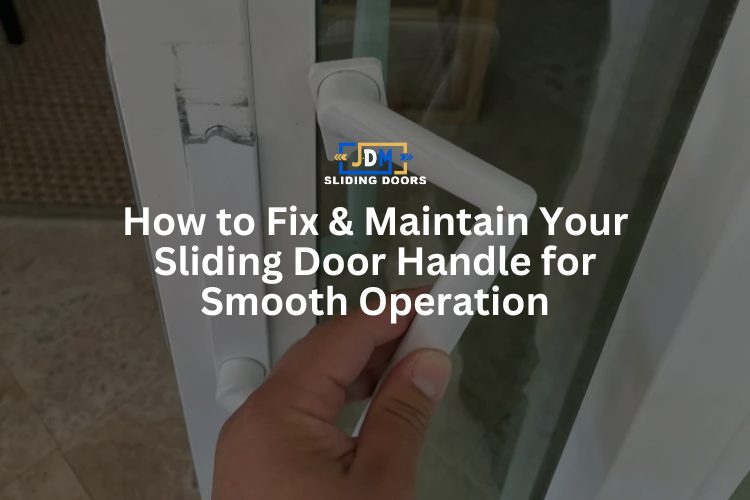
Introduction
If you’ve ever struggled with a sticky or loose sliding door handle, you know how frustrating it can be. As someone who has spent years working in sliding door repair, I can tell you that a faulty handle is one of the most common issues homeowners face. It’s often overlooked until it becomes a major inconvenience, but the good news is that with a little know-how, you can fix and maintain your sliding door handle, ensuring smooth operation for years to come.
What You’ll Learn
-
Understanding Common Issues
-
Tools You’ll Need
-
Step-by-Step Repair Guides
-
Maintenance Tips
-
When to Call a Professional
Understanding Your Sliding Door Handle
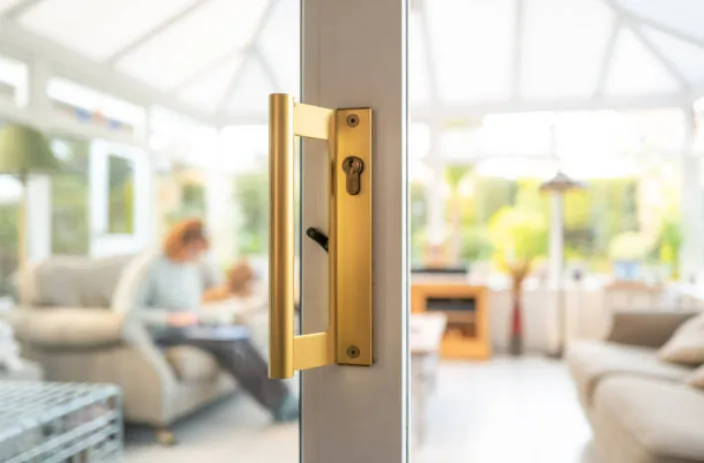
Before diving into repairs, it’s important to understand the components of your sliding door handle. Typically, a sliding door handle consists of two main parts: the exterior handle, which you pull or push to open the door, and the interior locking mechanism. These parts work together to secure the door when it’s closed and provide a comfortable grip when opening or closing it.
Over time, due to frequent use, exposure to the elements, or simply the aging process, these components can wear out, leading to problems like a loose handle, a sticky lock, or even a completely non-functional door. Understanding these potential issues is the first step toward effective sliding door handle repair.
Common Sliding Door Handle Problems
Let’s start by identifying some of the most common problems you might encounter with your sliding door handle:
-
Loose Handle: A handle that feels wobbly or loose is usually caused by worn-out screws or a damaged base plate.
-
Sticking Handle: This occurs when the handle is difficult to move or requires extra force to operate, often due to dirt, rust, or a misaligned mechanism.
-
Broken Lock: If the locking mechanism isn’t working properly, it could be due to a broken latch or internal components that need replacement.
-
Handle Not Returning to Position: Sometimes, the handle doesn’t return to its original position after being used, which is usually due to a malfunctioning spring inside the handle assembly.
Tools You’ll Need
Before you begin any sliding door handle repair work, make sure you have the following tools on hand:
-
Screwdriver (Phillips and flathead)
-
Replacement screws or handle (if needed)
-
Lubricant (silicone-based spray works best)
-
Cleaning cloth
-
Small brush (for cleaning out debris)
-
A replacement lock (if necessary)
How to Fix a Loose Sliding Door Handle
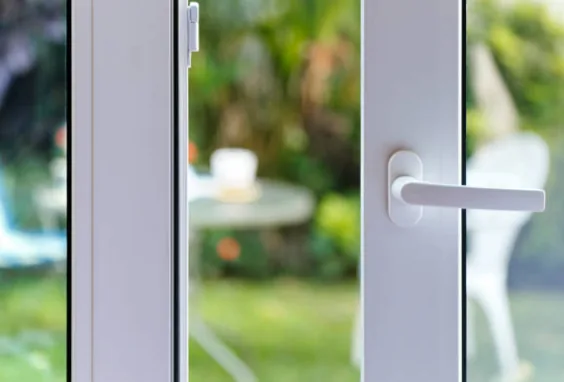
A loose sliding door handle is one of the easiest problems to fix. Here’s a step-by-step guide:
-
Tighten the Screws: The first thing to check is the screws holding the handle in place. Use a screwdriver to tighten any loose screws. If the screws are stripped or won’t tighten properly, replace them with new ones of the same size.
-
Check the Base Plate: If the handle is still loose after tightening the screws, the base plate (the part of the handle attached to the door) might be damaged. Remove the handle and inspect the base plate. If it’s cracked or worn out, you’ll need to replace it.
-
Reattach the Handle: Once you’ve fixed or replaced the base plate, reattach the handle and make sure it’s securely fastened.
How to Fix a Sticking Sliding Door Handle
A sticking handle can make opening and closing your sliding door a real chore. Here’s how to fix it:
-
Clean the Handle Mechanism: Dirt and debris can build up inside the handle mechanism, causing it to stick. Use a small brush to clean out any dirt, and wipe down the handle with a cleaning cloth.
-
Lubricate the Handle: Apply a silicone-based lubricant to the handle mechanism. Avoid using oil-based lubricants as they can attract more dirt and cause further sticking. Move the handle back and forth to work the lubricant into the mechanism.
-
Check for Misalignment: If the handle is still sticking, it could be misaligned. Remove the handle and check that all components are properly aligned. If necessary, realign the parts and reattach the handle.
How to Fix a Broken Sliding Door Handle Lock
If the lock on your sliding door handle isn’t working, you’ll need to replace it. Here’s how:
-
Remove the Handle: Start by removing the screws that hold the handle in place. Carefully detach the handle from the door.
-
Inspect the Lock Mechanism: Once the handle is removed, you can access the lock mechanism. Check for any broken or worn-out parts. If the latch is broken, you’ll need to replace the entire lock mechanism.
-
Install the New Lock: Follow the manufacturer’s instructions to install the new lock. Make sure it’s properly aligned with the strike plate on the door frame to ensure smooth operation.
-
Reattach the Handle: Once the new lock is installed, reattach the handle and test the lock to ensure it’s working correctly.
Maintaining Your Sliding Door Handle
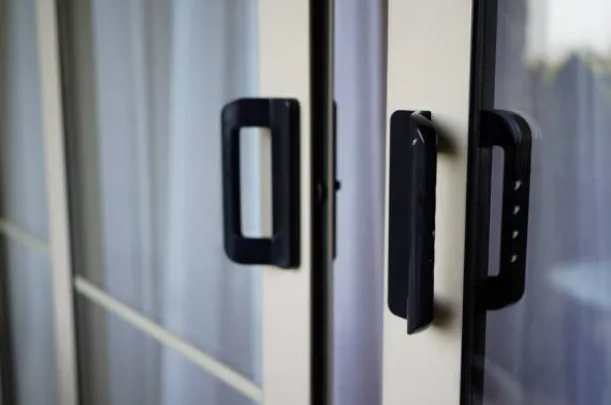
Prevention is always better than cure. Regular maintenance can help you avoid many of the common problems associated with sliding door handles. Here are some tips:
-
Regular Cleaning: Wipe down your sliding door handle regularly to remove dirt and debris. Pay special attention to the lock mechanism, as dirt can build up and cause the lock to malfunction.
-
Lubrication: Apply a silicone-based lubricant to the handle mechanism at least twice a year to keep it moving smoothly. This is especially important if you live in a humid area where rust can be a problem.
-
Check for Wear and Tear: Periodically check the screws and base plate for signs of wear and tear. Tighten any loose screws and replace any damaged parts immediately to prevent bigger problems down the road.
-
Inspect the Lock: Test the lock regularly to ensure it’s working properly. If you notice any issues, address them right away to avoid getting locked out or compromising your home’s security.
When to Call a Professional
While many sliding door handle repairs can be done on your own, there are times when it’s best to call in a professional. If you’re unsure about how to fix a particular problem or if the handle is beyond repair, a professional sliding door repair service can provide expert assistance.
A professional can also help with more complex issues, such as replacing a broken sliding door track or repairing the door frame. Remember, attempting a repair without the proper knowledge or tools can sometimes cause more harm than good.
Conclusion
Your sliding door handle plays a crucial role in the overall functionality of your sliding door. By taking the time to fix and maintain it properly, you can ensure smooth operation and extend the life of your door. Whether it’s tightening a loose handle, fixing a sticking mechanism, or replacing a broken lock, these tips will help you keep your sliding door handle in top shape.
Regular maintenance and prompt repairs will save you time, money, and frustration in the long run. And if you ever find yourself in over your head, don’t hesitate to call a professional for help. With the right care, your sliding door handle can provide years of reliable service.
Frequently Asked Questions
How do you tighten a sliding door handle?
Start with the two screws on the interior side of the handle and snug them up with a Phillips screwdriver, but stop the moment they’re tight: in my experience over-tightening is what strips the plastic housing and turns a five-minute fix into a replacement. If the handle still wobbles after that, the internal base plate is worn out, and we’d swap the plate rather than keep cranking on screws that have nothing left to bite into.
What causes a loose handle on a sliding glass door?
In my experience a loose sliding glass door handle comes down to one of three things: screws that have stripped their plate, a base plate cracked from years of use, or a broken spindle inside the mechanism. We see daily use and the constant expansion and contraction from temperature swings slowly work the fit loose, which is why I tell homeowners a quick retighten every six months heads off the bigger repairs.
How do you replace a sliding door handle with a lock?
Remove the two screws on the interior handle, pull both handle halves off the door, and unscrew the latch mechanism from the edge of the door, then install the new lock-equipped handle in reverse: drop in the latch, align the interior and exterior halves, and tighten the screws evenly. The step we never skip is testing the lock before buttoning it up, because in my experience that’s where a rushed swap goes wrong: throw the lock and confirm the keeper lines up with the strike plate before you call it done.
How do you fix a sliding door latch lever that won’t engage?
When a latch lever won’t engage, in my experience it’s one of three things: the latch is misaligned with the strike plate, the internal spring is worn, or dirt has packed into the mechanism. Start by blowing the latch out with compressed air and hitting it with silicone lubricant (never WD-40, which gums up and grabs more grit). If the lever is still loose or dropping on its own, replace the internal latch assembly: it’s a cheap part our technicians swap in under 15 minutes.
When should I call a pro for sliding door handle repair?
I’d call a pro when the handle ties into a mortise lock that won’t turn, the door frame itself is damaged, the latch keeper is bent out of shape, or you’ve already replaced the handle twice and it keeps failing: those usually point to a deeper alignment or frame issue, not just the handle. For a professional sliding glass door handle repair, reach out to JDM Sliding Doors, and in our experience most handle jobs are done same-day.