A pocket door stuck inside the wall often signals hidden mechanical problems that worsen with use. Because pocket doors slide into a concealed cavity, small alignment issues or worn hardware can quickly escalate into full movement failure. When the door stops sliding freely, everyday access becomes difficult and door panels risk further damage.
Many homeowners experience increasing resistance before the door jams completely. Early warning signs often go unnoticed until the door no longer responds to gentle pressure. Understanding the underlying causes helps property owners decide when adjustment, repair, or hardware replacement is appropriate.
How Pocket Doors Work and Why Movement Problems Develop
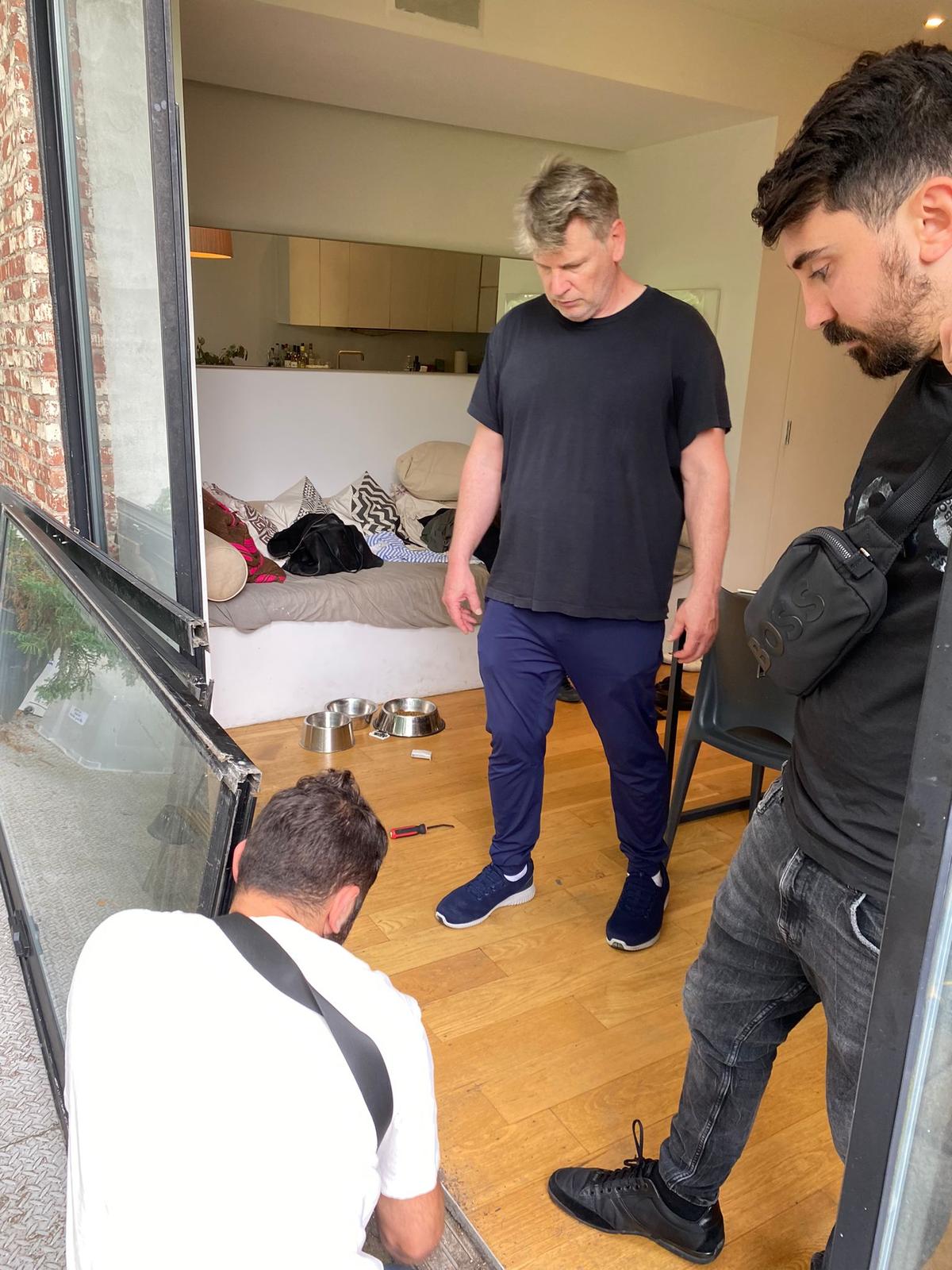
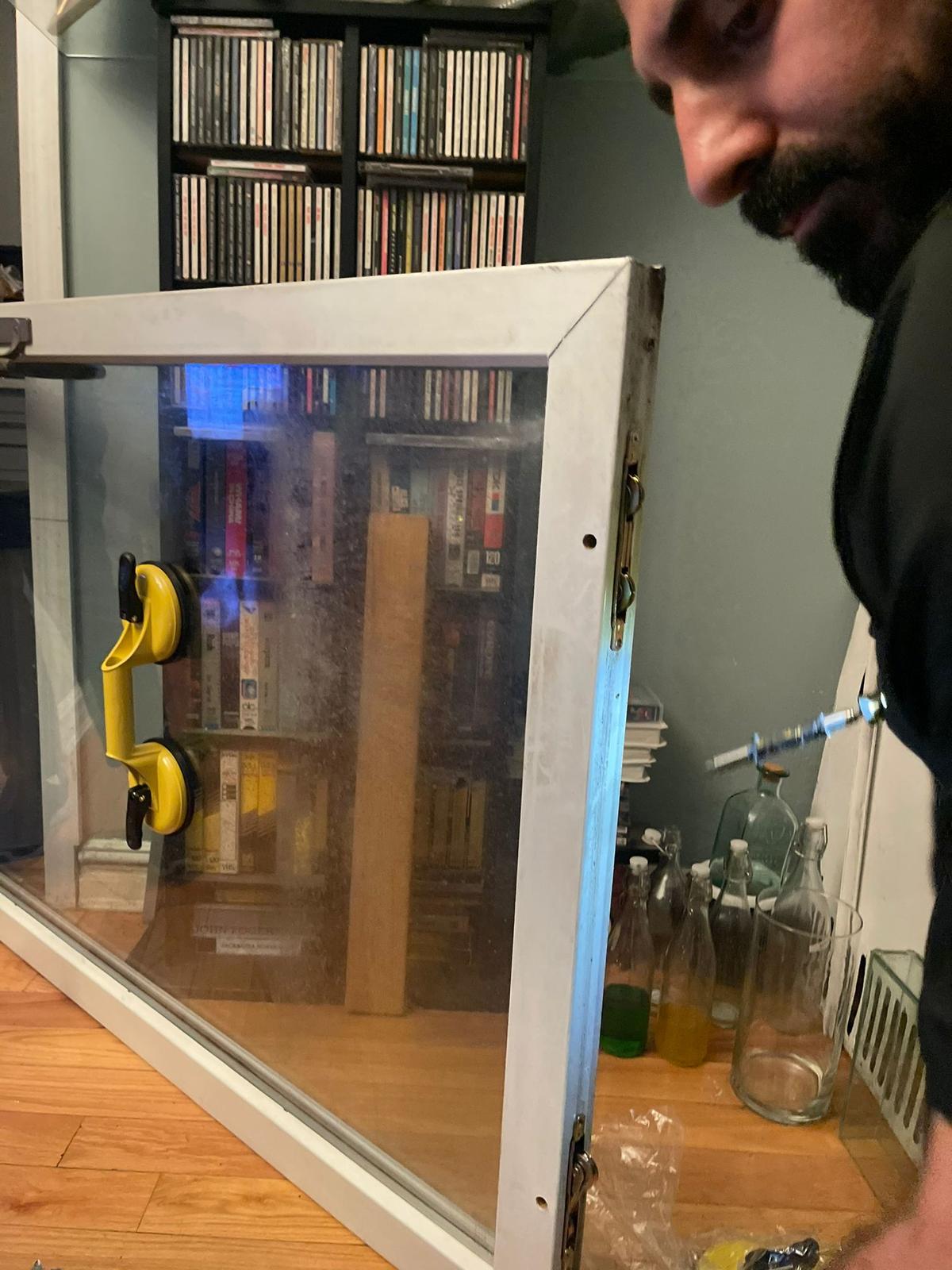
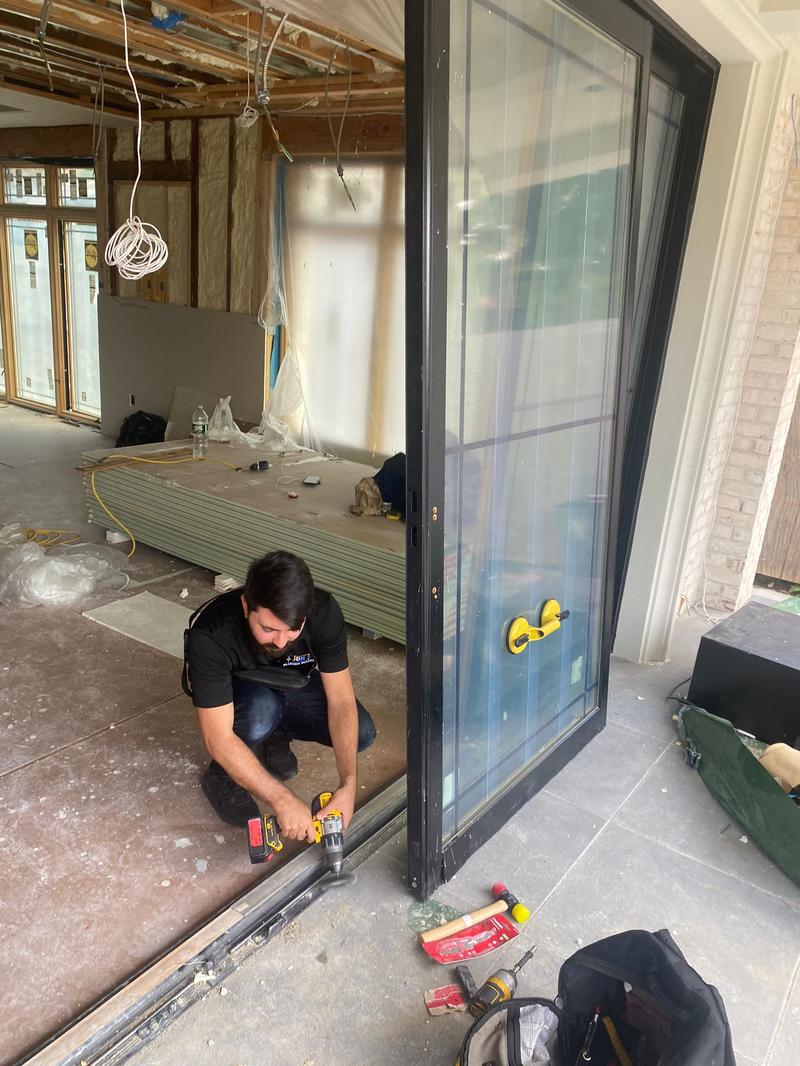
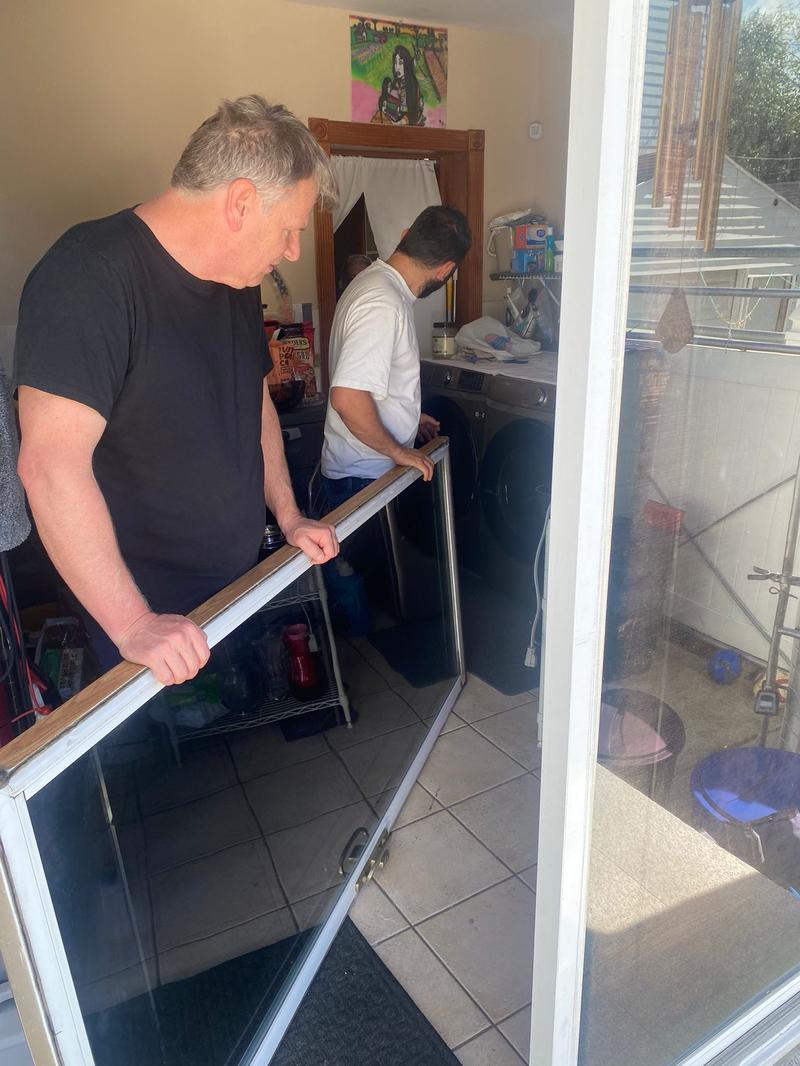
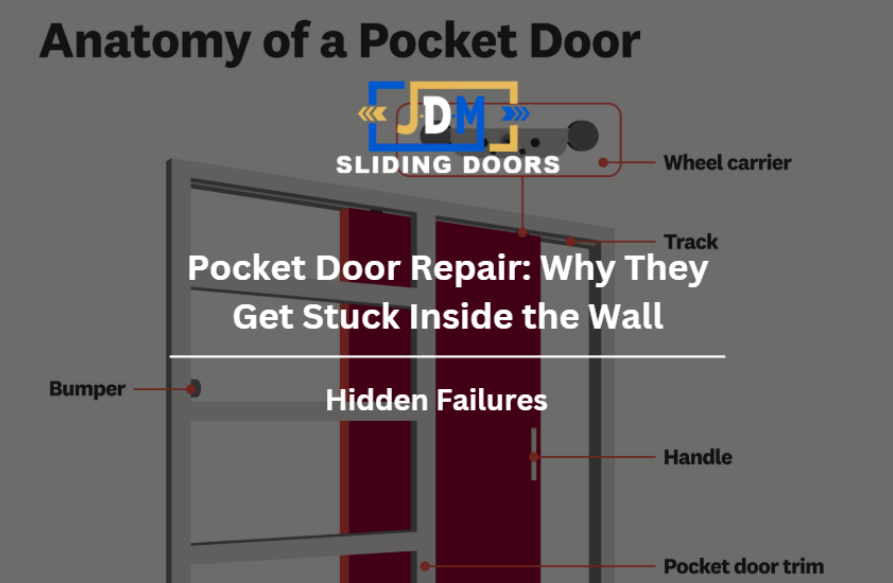
Pocket doors rely on overhead tracks, rollers, and mounting brackets hidden inside the wall cavity. Unlike hinged doors, the entire load is suspended from the track system. When any component shifts or wears unevenly, smooth travel becomes compromised. At this stage, pocket door repair services are often used to correct internal alignment issues, tighten mounting points, and restore proper roller movement without damaging surrounding drywall.
Common movement issues include:
- Loose or worn rollers
- Track misalignment inside the wall
- Fasteners backing out over time
- Debris buildup along the track
These conditions frequently lead to pocket door not sliding smoothly and increased resistance during operation.
Why Does My Pocket Door Get Stuck?
Homeowners often ask why does my pocket door get stuck after years of normal use. The answer usually involves gradual hardware degradation combined with minor structural movement.
Contributing factors include worn roller wheels, track warping, and door panels rubbing against internal guides. When the door still moves but requires force, sliding door repair may address resistance by adjusting rollers and correcting uneven travel before the door becomes fully immobilized.
Typical contributing factors include:
- Roller wheels flattening or cracking
- Track warping due to framing shifts
- Door panel rubbing against internal guides
- Improper original installation tolerances
As wear progresses, a pocket door won’t slide without force, increasing the risk of internal damage.
Pocket Door Stuck Inside Wall and What It Indicates
A pocket door stuck inside the wall usually points to a hidden mechanical problem. Since the door slides fully into the wall cavity, key parts like the track, rollers, and mounting brackets stay out of sight. Issues often go unnoticed until the door starts jamming, dragging, or won’t move at all.
Common causes include worn rollers, misaligned or bent tracks, loose hardware, or debris inside the wall. Daily use adds stress to these hidden parts, especially in busy areas like bathrooms, closets, and home offices. Even small wear can interrupt smooth movement and cause the door to bind inside the wall.
Common Warning Signs of a Pocket Door Failure
- Sudden stops during travel
- Grinding or scraping sounds
- Uneven door height when partially open
Ignoring these warning signs allows the problem to escalate. Continued use puts extra stress on damaged hardware, increasing the risk of the pocket door coming off track. Once the door slips off completely, it can become trapped inside the wall, restrict access, and sometimes require drywall removal to fix.
Addressing a pocket door stuck inside the wall early helps avoid structural damage, keeps repair costs lower, and restores smooth, quiet operation before the issue turns into a major failure.
What Causes Pocket Doors to Stick Over Time
What causes pocket doors to stick usually comes down to long-term stress on hidden hardware. Pocket doors depend on tracks, rollers, and mounting brackets concealed inside the wall, unlike hinged doors that operate in plain view. Daily use, slight structural movement, and normal wear slowly affect these parts, reducing smooth operation and causing repeated sticking.
As the system ages, even minor alignment shifts or hardware wear can interfere with movement. Because the damage happens inside the wall, the door may look fine from the outside while internal issues continue to worsen with use.
Frequent causes include:
- Metal fatigue in older track systems
- Loose mounting brackets inside the cavity
- Frame settling that alters track level
- Door weight exceeding hardware rating
When internal alignment shifts, the rollers stop moving smoothly along the track. This causes catching, dragging, or binding as the door slides in and out of the wall. Continued use speeds up wear and raises the risk of the door jumping off the track.
These problems rarely fix themselves. Proper repair requires realigning the track, tightening mounting hardware, and confirming the door weight matches the system’s load capacity, restoring smooth and dependable pocket door operation.
Pocket Door Track Problems That Lead to Failure
Hidden pocket door track problems are one of the most common causes of pocket door movement failure. Because the track is installed inside the wall cavity, damage often develops gradually and remains unnoticed until the door begins to stick, drag, or stop entirely. Once the track no longer provides a straight, secure path for the rollers, smooth operation becomes impossible.
Over time, repeated use, door weight, and minor structural shifts place stress on the track system. Even small imperfections in the rail or mounting points can create friction, causing the door to bind inside the wall. Since visual access to the track is limited, these issues are frequently misdiagnosed or overlooked during early stages.
Common track related issues include:
- Bent aluminum or steel rails
- Missing or damaged end stops
- Fasteners pulling away from studs
When any of these conditions exist, the door rollers cannot maintain consistent contact with the rail. This leads to repeated sticking, grinding noises, and eventual derailment. In more advanced cases, the door may become trapped inside the wall, requiring partial disassembly to restore function.
Pocket door track access typically requires specialized tools and hands-on experience. Improper attempts to reach or adjust the track can damage drywall, framing, or finished surfaces. Professional repair ensures the track is properly realigned, securely fastened, and restored without unnecessary wall damage, extending the life of the pocket door system.
Can a Pocket Door Be Repaired Without Removing Drywall?
Many property owners ask can a pocket door be repaired without removing drywall, and the answer depends on the door’s design, age, and the type of failure involved. In modern pocket door systems, certain repairs can be completed without opening the wall, especially when the issue involves minor misalignment or adjustable hardware rather than structural damage.
Pocket doors are designed with concealed components, but newer systems often include service-friendly features that allow technicians to correct common problems from above or around the door opening. When the track remains intact and the rollers are still functional, targeted adjustments can restore smooth operation without disturbing finished walls.
Professional technicians may access hardware through:
- Removable trim or header plates
- Adjustable hanger bolts at the top of the door
- Specialized access panels in newer systems
Older installations may still require limited wall access for proper repair and alignment.
When to Replace Pocket Door Hardware
Knowing when to replace pocket door hardware is critical for preventing repeated sticking, operational failures, and long-term damage inside the wall cavity. Pocket door systems rely on precision-balanced components, and once those parts wear beyond adjustment, continued repairs often become temporary and ineffective. In these cases, hardware replacement, or selective sliding door replacement, provides a more reliable and lasting solution.
Older pocket door hardware was not always designed to support heavier modern doors or frequent daily use. As materials fatigue and tolerances loosen, rollers and tracks lose their ability to maintain consistent alignment. When outdated or undersized hardware no longer matches the door’s weight, smooth travel becomes difficult to restore, even with professional adjustments.
Replacement may be recommended when:
- Rollers show visible wear or cracking
- Tracks no longer maintain alignment
- Repeated adjustments fail to restore smooth travel
Upgraded pocket door hardware uses stronger materials, improved roller bearings, and reinforced tracks designed for better load distribution. These improvements significantly increase long-term reliability, reduce friction, and make daily operation noticeably smoother and quieter.
What to Do When Sliding Door Jumps Off Track
The issue of what to do when a sliding door jumps off track applies to pocket doors as well as surface-mounted sliding doors. When this happens, the door should not be forced back into place.
Professional response typically includes:
- Securing the door to prevent further damage
- Inspecting rollers and hangers for failure
- Realigning or replacing track components
Forcing the door can bend the track or damage internal hardware, making repairs more difficult. Professional realignment restores smooth movement and prevents the door from jumping off the track again.
Pocket Door Repair vs Replacement Decision Guide
When a pocket door starts sticking, dragging, or refusing to close, deciding between repair and replacement becomes important. A clear comparison of door condition, track integrity, hardware age, and recurring problems helps property owners choose a practical, cost-effective solution without unnecessary work.
| Evaluation Factor | Repair Recommended | Replacement Recommended |
|---|---|---|
| Door panel condition | Intact and square | Warped or damaged |
| Track integrity | Minor wear | Bent or detached |
| Hardware age | Modern system | Outdated system |
| Wall access required | Minimal | Extensive |
| Recurring issues | First occurrence | Repeated failures |
Pocket door issues are not always a sign that replacement is required. Many problems can be resolved through professional repair when the door panel and track remain structurally sound. Warping, outdated hardware, or repeated failures often indicate that replacement delivers better long-term reliability and smoother operation.
For door operation and maintenance best practices, visit This Old House pocket door overview and Family Handyman sliding door repair guide for homeowner education resources.
Restore Smooth Pocket Door Operation — Schedule Expert Repair Today
Pocket doors become stuck due to hidden wear, alignment shifts, and track deterioration inside the wall cavity. Early diagnosis limits damage and supports smoother, quieter operation. Professional repair restores function while protecting surrounding finishes and framing.
JDM Sliding Doors provides expert pocket door repair services focused on accurate diagnosis and long-term reliability. We prioritize safe access methods, precise alignment, and preventive care for interior sliding systems.
Contact us today or call now to schedule a professional pocket door inspection. Our team restores smooth operation and prevents recurring door failures.
Frequently Asked Questions
Why do pocket doors get stuck?
Pocket doors often get stuck due to debris in the track, worn rollers, or misalignment inside the wall cavity. Over time, hardware wear or slight framing shifts can interfere with smooth movement.
What are common problems with pocket doors?
Common issues include sticking or dragging, doors coming off the track, broken rollers, bent tracks, and difficulty latching or aligning when closed. These problems usually develop gradually with regular use.
Can you fix a pocket door without removing drywall?
Yes, some pocket door problems can be fixed without removing drywall. Access through the door opening or top track may allow adjustments, roller replacement, or track repairs, depending on the door design.
Can a pocket door be repaired?
Yes, most pocket doors can be repaired. Repairs may involve adjusting the track, replacing rollers, realigning the door, or fixing hardware components to restore smooth operation.
Are walls with pocket doors load bearing?
Sometimes, but not always. Some pocket door walls are non-load-bearing partitions, while others may carry structural load, which is why professional assessment is important before making modifications.