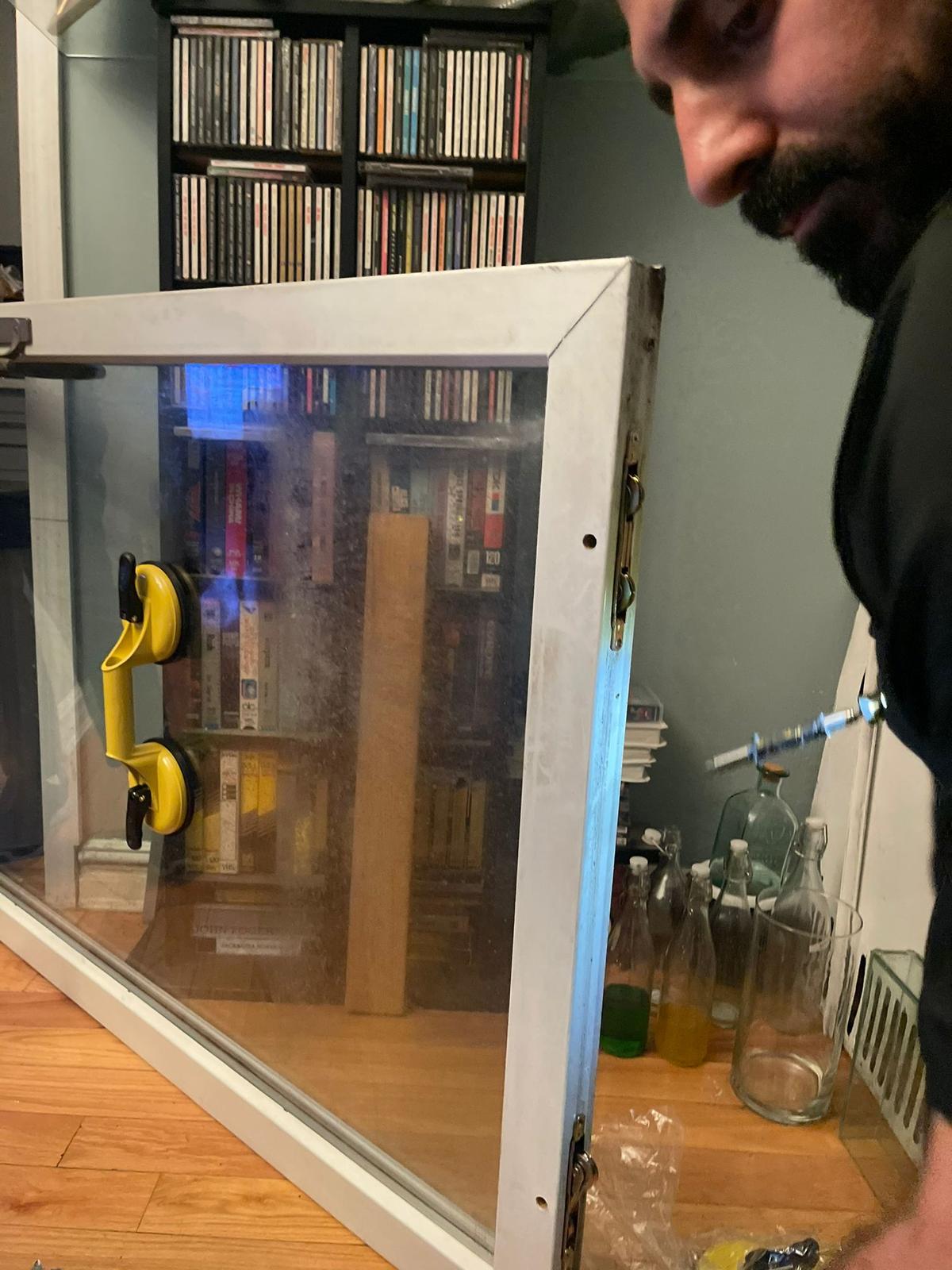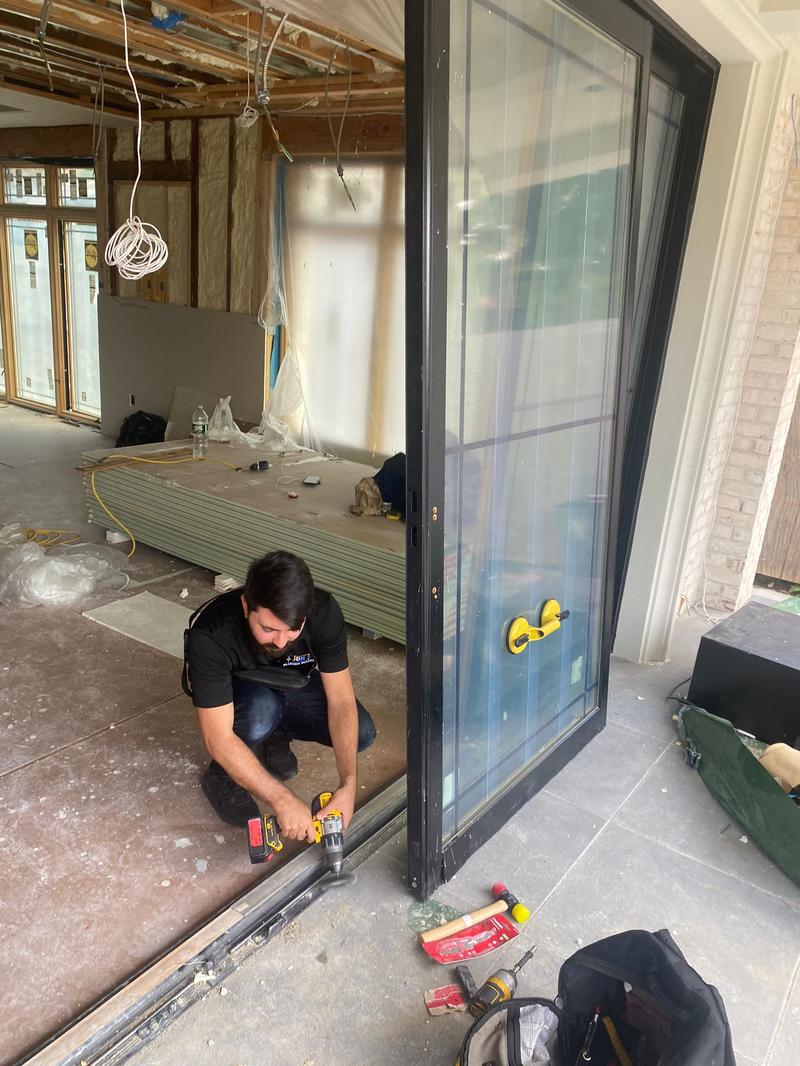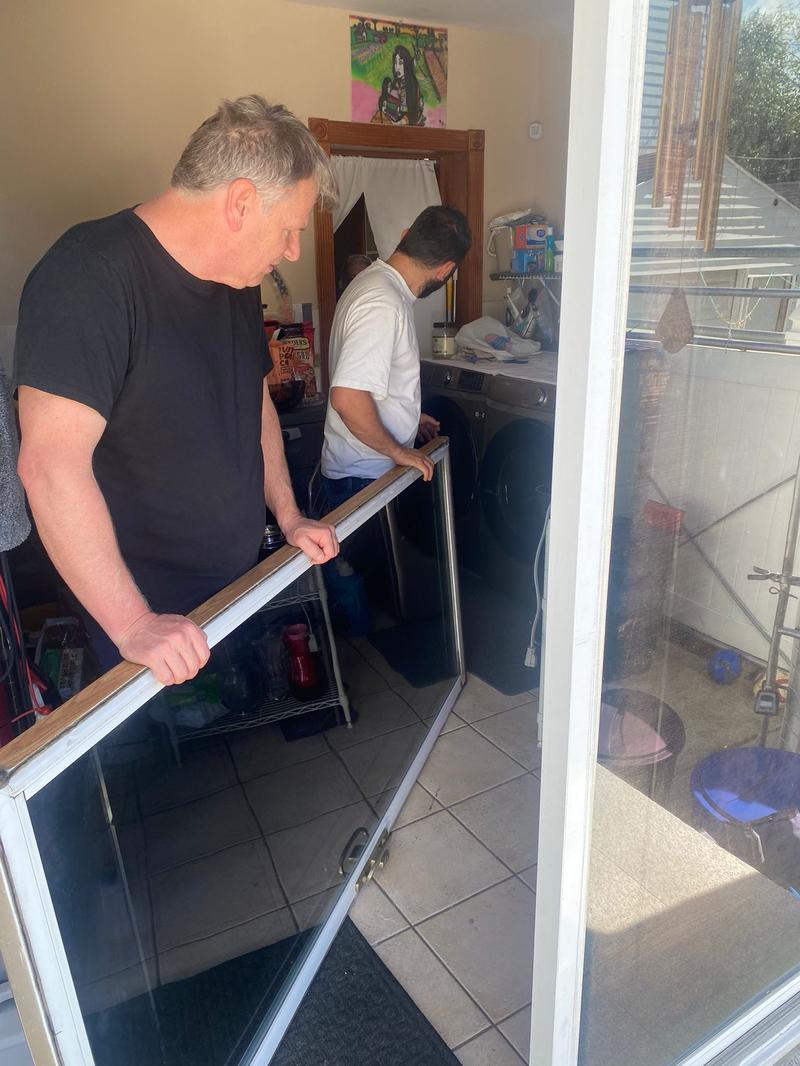

A little water on the sill after a storm might look minor, but window leaks often signal drainage, seal, or structural breakdown. Left untreated, moisture can lead to wood rot, peeling paint, mold growth, pest intrusion, and hidden wall damage that becomes costly over time. Understanding the cause of window leaks and addressing them early is the best way to protect your home and avoid unnecessary replacement.
Why Window Leaks Happen
Window leaks typically occur due to aging materials, improper installation, or drainage failures. Common causes include:
- Broken or missing exterior caulking
- Cracked glazing putty on older wood windows
- Seal failure (fogging between panes)
- Warped window frames
- Poor installation or flashing defects
- Drainage/weep hole blockages
- Roof, gutter, or house design water delivery issues
In many cases, water enters from above the visible leak, making professional inspection essential, especially for homes relying on impact window services for storm protection and long-term durability.
How to Locate a Window Leak
Finding the exact source of a window leak is critical before attempting repairs. Water often travels along framing or surfaces before becoming visible indoors.
Step 1: Identify Where Water Appears
- On glass or top of frame: condensation or top-entry leak
- On sill or corners: drainage issue or perimeter seal failure
- On surrounding wall: possible structural or wall cavity problem
Step 2: Look for Visible Warning Signs
- Soft, spongy, or rotting wood
- Bubbling, peeling, or cracked paint
- Water stains or damp interior trim
- Pooling water in window tracks
Step 3: Inspect the Exterior First
Most window leaks begin outside, often above where the water shows up indoors. Always check flashing, caulking, and siding transitions.
Step 4: Perform a Gentle Hose Test (Optional)
If safe to do so, test one area at a time:
- Start at the sill
- Move to the sides
- Test the top last. Allow 2-3 minutes per section to observe water entry.
Common Window Leak Fixes (Easiest to Most Involved)
The right fix depends on the cause of the leak. Some issues can be resolved quickly, while others require more involved corrections.
- Reapplying exterior-grade caulking
- Resealing glass-to-frame gaskets
- Cleaning weep holes and drainage channels
- Improving sill pitch or drainage slope
- Replacing worn weatherstripping and correcting sash alignment
- Fixing roof or gutter water delivery issues
- Targeted glass repair and cutting when cracked or compromised panes contribute to leaks
Early intervention often prevents structural damage and keeps repair costs manageable.
Repair vs. Replace: How to Decide
Not every leaking window needs to be replaced. The condition of the frame, glass, and surrounding structure determines the best solution.
When Window Repair Is the Best Option
- The window frame is solid with no major rot
- The issue is localized and hasn’t repeated
- The window still closes, locks, and seals properly
When Window Replacement Makes More Sense
- Frames are warped or structurally compromised
- Extensive rot or hidden damage is present
- Seal failure combined with age reduces energy efficiency
- Leaks persist even after professional repairs
Recurring leaks often indicate underlying issues that repairs alone cannot resolve. In these cases, professional impact window installation provides better long-term protection, efficiency, and storm resistance.
Why Fixing Window Leaks Quickly Matters
Delaying repairs allows moisture to spread and worsen underlying damage, increasing repair costs and health risks.
Ignoring window leaks can lead to:
- Structural damage to framing and wall sheathing
- Interior drywall and trim deterioration
- Mold growth and indoor air quality concerns
- Increased pest entry through weakened materials
For moisture control best practices, visit the U.S. Department of Energy moisture management guide.
Preventative Window Maintenance Checklist (Spring & Fall)
Routine maintenance helps extend window lifespan and reduces the risk of unexpected leaks.
- Clean window tracks and clear weep holes
- Inspect exterior caulking and reseal gaps
- Check weatherstripping and window alignment
- Inspect gutters, downspouts, and exterior flashing
Repair vs. Replacement Costs: What to Expect
Understanding cost differences helps homeowners make informed decisions before damage worsens.
Minor maintenance fixes are typically low-cost and minimally disruptive. More involved repairs, such as flashing corrections or glass resealing, cost more but still remain far less invasive than full replacement.
Replacement becomes the better long-term investment when structural damage or repeated failures are present.
Benefits of Replacing Leaking Windows
When replacement is the right choice, homeowners benefit from long-term performance and protection.
- Improved comfort with fewer drafts
- Lower energy loss and better efficiency
- Reduced pest entry points
- Enhanced curb appeal and modern appearance
- Greater storm resistance with proper installation
Ready to Fix Window Leaks for Good?
JDM Sliding Doors can pinpoint the exact source of your window leak and recommend the most cost-effective solution, repair when it makes sense, replacement when it’s the smarter long-term move. Contact us today or call now to schedule an expert evaluation that prioritizes safety, compliance, and long-term performance.
Frequently Asked Questions
How do I know if it’s condensation or a leak?
Condensation typically appears on the glass surface and is caused by high indoor humidity. A leak usually results in staining, bubbling paint, damp drywall, or wet framing that appears after rainfall.
Can I caulk the inside of a leaking window?
Interior caulking may temporarily hide visible symptoms but rarely addresses the underlying problem. Proper repairs usually involve exterior sealing, flashing inspection, and correcting drainage issues.
How often should windows be inspected?
Windows should be inspected at least twice per year and after major storms. Regular inspections help identify seal failure, caulking gaps, and early signs of water intrusion.
What if the leak is coming from the wall or roof?
Water can travel along framing or behind siding before becoming visible near a window. A full building-envelope inspection may be needed to locate the true source and prevent recurring damage.