Automatic doors enable safe entry, smooth traffic flow, and accessibility in commercial properties. When performance declines, entrances slow down, safety concerns increase, and operations become less predictable. Many facility managers delay repairs until doors stop completely, which often leads to wider system strain and avoidable interruptions.
Professional automatic door repair focuses on early diagnosis, safety compliance, and long-term reliability. Understanding how failures develop helps decision-makers reduce downtime, maintain building compliance standards, and extend operating life of automatic door systems.
Why Automatic Doors Stop Working in Commercial Environments
Understanding automatic door failures starts with recognizing these systems rely on multiple connected components. A single failure often affects surrounding parts, increasing wear and limiting safe operation. High-traffic environments place consistent pressure on doors, especially when inspections and adjustments are delayed.
Common contributors to failure include:
- Continuous daily usage without scheduled service
- Environmental exposure to dust, moisture, or temperature changes
- Minor mechanical issues that go unchecked
- Inconsistent power supply or electrical wear
Early professional inspection allows small performance issues to be corrected before accessibility and safety are affected.
Common Automatic Door Problems in Commercial Buildings
Commercial facilities face a range of automatic door problems that often develop gradually. Because these systems combine sensors, motors, electronics, and structural components, minor issues can escalate into safety risks, downtime, or code-compliance concerns.
Sensor and Activation Issues
Sensors manage movement and safety detection. Failure may occur due to misalignment, surface obstruction, wiring fatigue, or environmental interference. Reliable testing and recalibration protect pedestrian safety and prevent unexpected stoppages.
Motor and Operator Wear
Motors and operators control opening speed and closing force. Over time, internal parts experience friction and load strain. Warning signs include uneven movement, delayed response, or excessive noise. Addressing motor stress early prevents operator burnout and system shutdowns.
Control Board and Electrical Faults
Control boards regulate timing, signals, and safety responses. Electrical wear, power surges, or outdated hardware can disrupt communication between system components. Professional diagnostics identify root causes and reduce repeat electrical failure.
Track, Roller, and Door Panel Issues
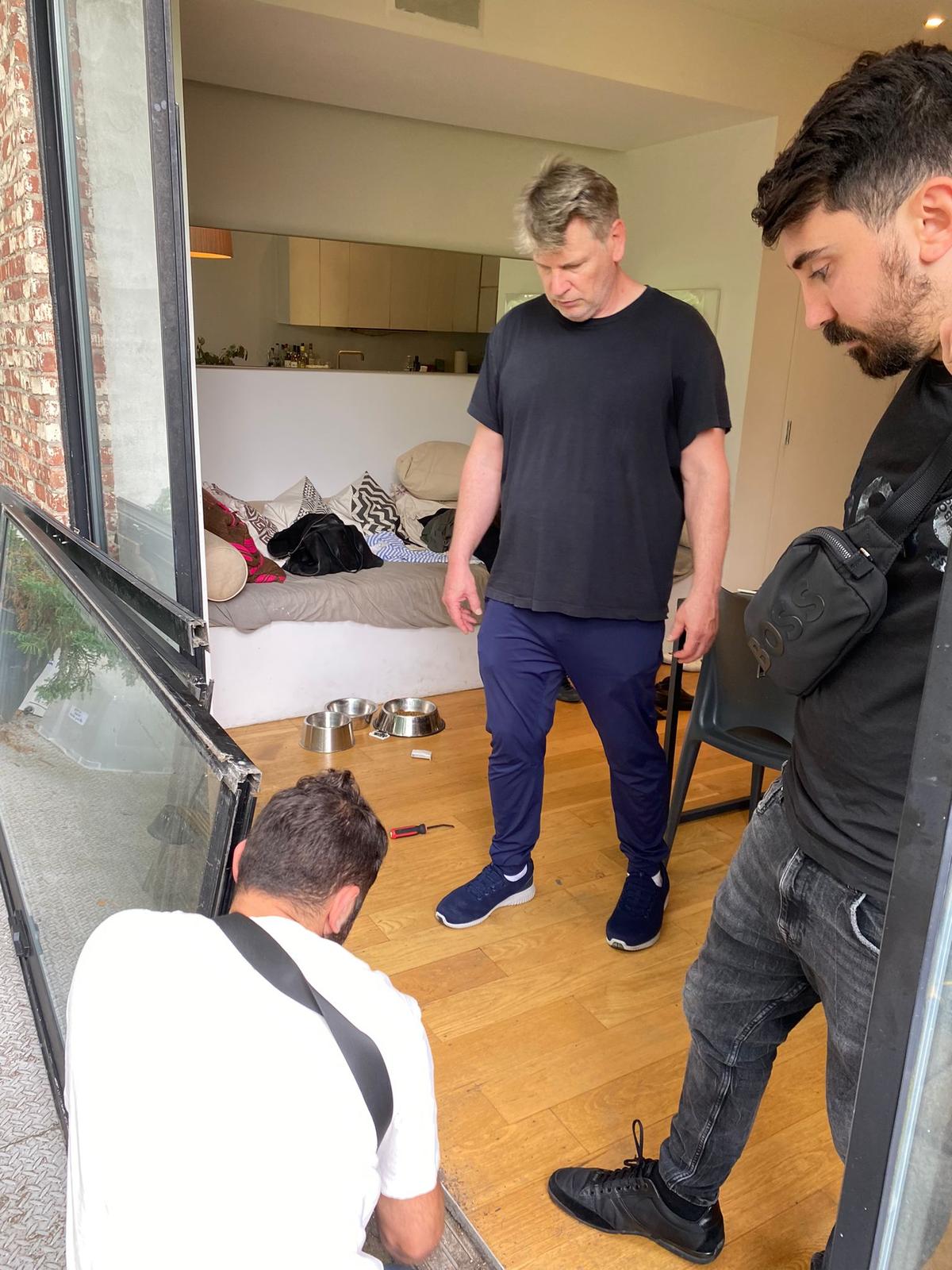
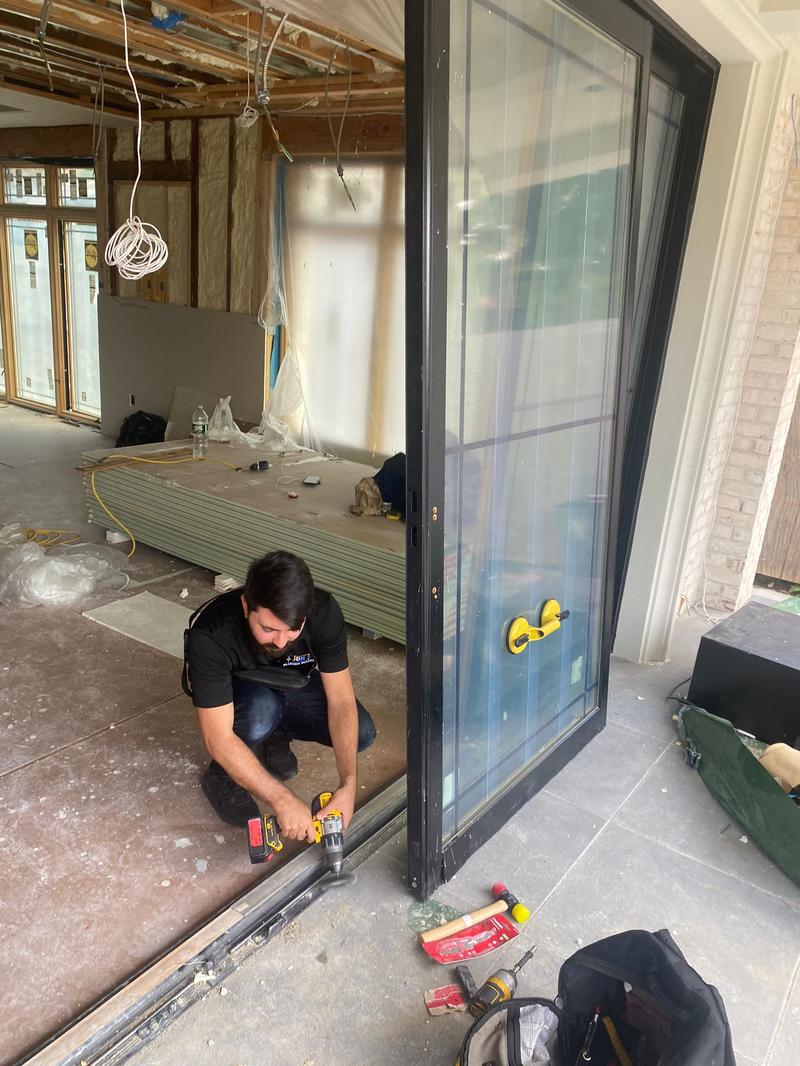
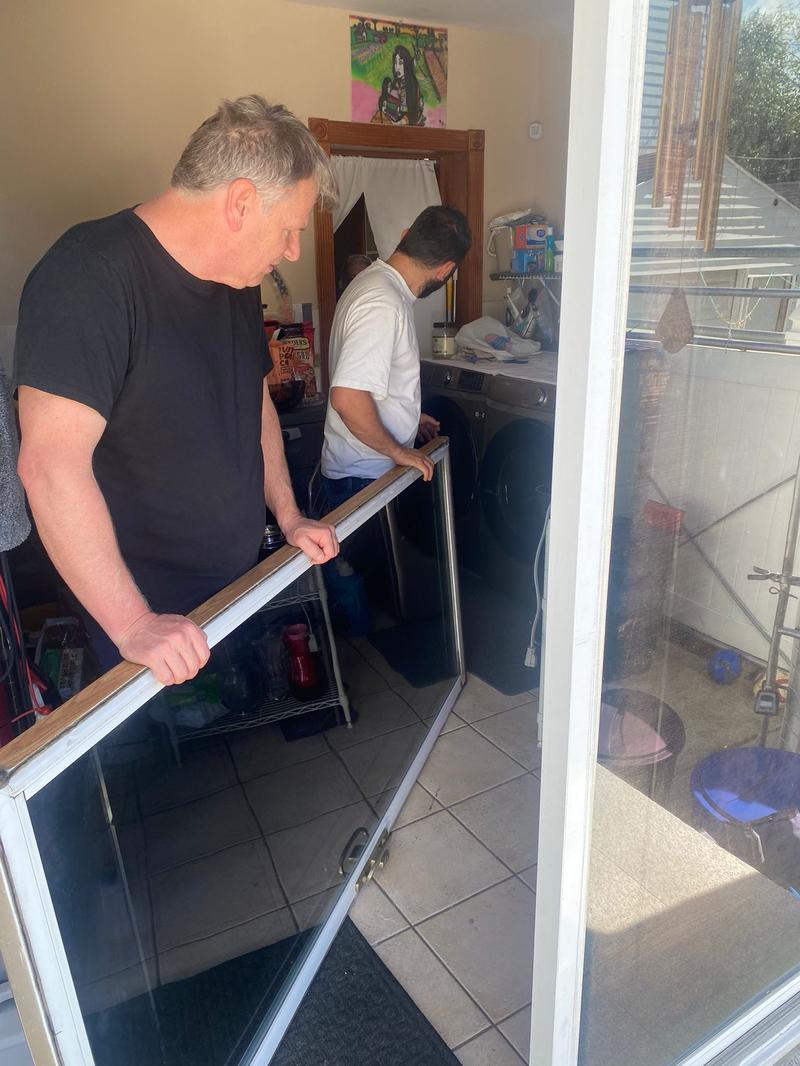
Tracks and rollers keep sliding doors aligned and moving smoothly. When debris builds up, the door takes damage, or the track shifts out of place, you may notice sticking, dragging, or uneven travel. In many cases, professional sliding door repair, replacement, or installation can restore smooth operation and protect nearby parts from added wear.
Lock and Glass Integrity Concerns
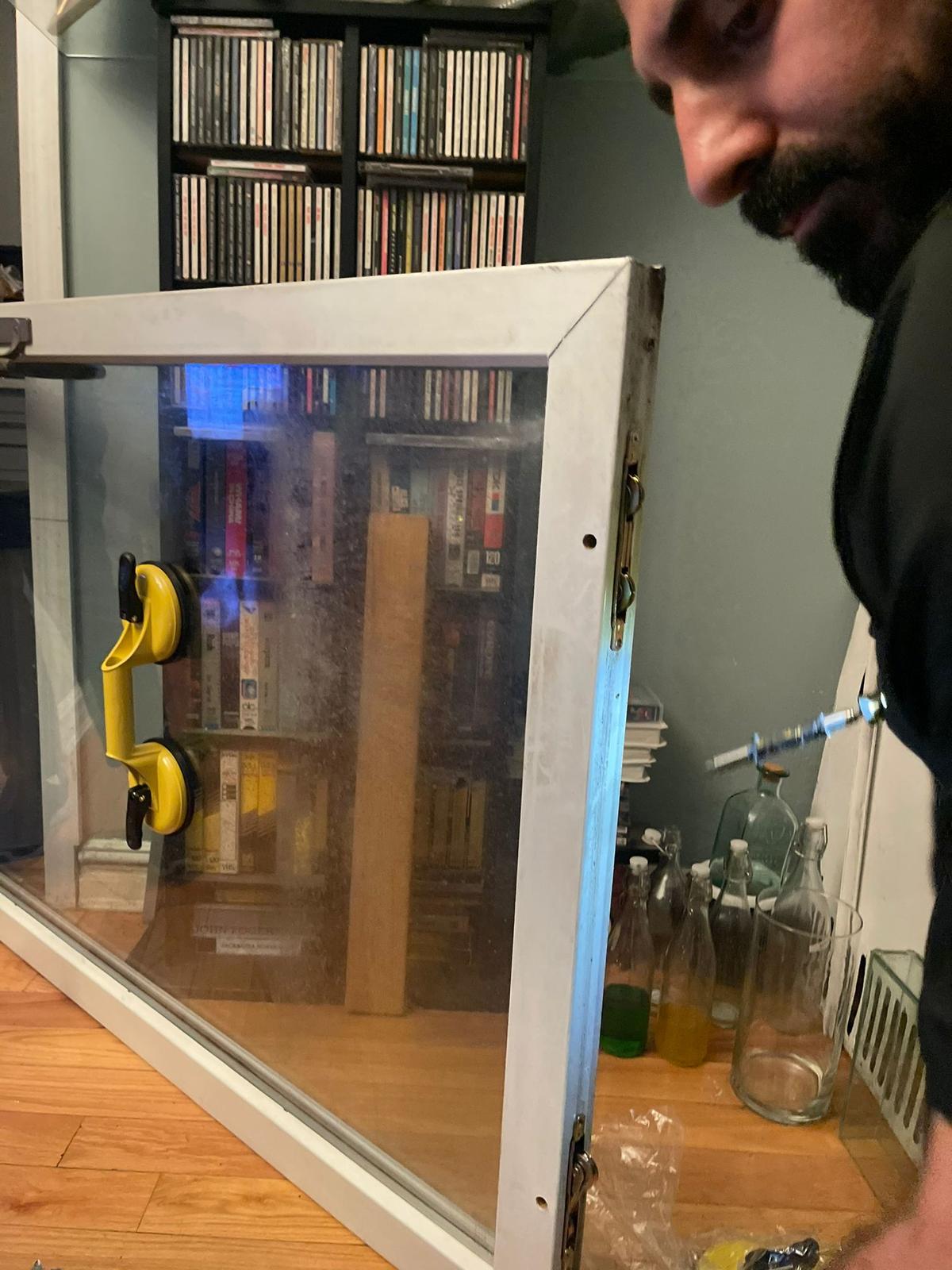
Locking systems and glass panels directly affect building security and visibility. Sliding door lock repair and glass repair/cutting address cracks, misalignment, and locking malfunctions that compromise safety and operational reliability.
Signs You Need Professional Automatic Door Repair Before Costs Escalate
Recognizing when to seek professional support helps make proactive maintenance decisions. Performance changes often appear before total failure.
Indicators include:
- Delayed opening or incomplete closing
- Doors opening without pedestrian presence
- Inconsistent speed or hesitation during cycles
- Unusual vibration or mechanical noise
- Compliance alerts during safety checks
Professional involvement reduces repeat failures and supports long-term performance.
How Delayed Repairs Increase Operational Risk and Cost
Postponing service leads to compounded system strain and higher long-term exposure. Professional automatic door service focuses on protecting the full assembly rather than isolated components.
Delays may result in:
- Increased wear on motors and tracks
- Expanded electrical damage
- Safety compliance concerns
- Disruptions to business traffic flow
Timely automatic sliding door repair supports operational stability and reduces future system replacement needs.
How Professional Repair Prevents Repeat Failures
When searching for automatic door repair services, people typically seek a reliable solution that prevents repeat issues, not just a quick patch. Professional repair focuses on system-wide evaluation. Certified technicians follow industry standards, manufacturer specifications, and safety testing protocols to restore dependable operation.
Expert service often includes:
- Detailed inspection of mechanical and electrical parts
- Safety sensor calibration and verification
- Alignment and load-balancing adjustments
- Compliance documentation and testing
Following professional standards helps reduce recurring breakdowns and supports long-term system performance.
For additional compliance guidance, visit the American Association of Automatic Door Manufacturers safety standards guide.
Comparing Professional Service vs Deferred Maintenance
| Maintenance Approach | System Reliability | Safety Compliance | Operational Stability |
|---|---|---|---|
| Proactive Professional Service | Consistent performance | Verified standards alignment | Predictable daily operation |
| Deferred Repairs | Increased failure frequency | Higher compliance risk | Unexpected disruptions |
Understanding the cost savings of professional automatic door maintenance helps organizations protect performance while supporting long-term planning.
Secure Long-Term Performance With Expert Automatic Door Service
Professional automatic door repair protects long-term system reliability, safety compliance, and operational continuity. Facility managers benefit from expert diagnostics, preventive service, and consistent performance that supports both accessibility and business efficiency.
JDM Sliding Doors is committed to safe, reliable, and professional automatic door solutions for commercial properties. We provide thorough evaluations, preventive maintenance, and expert repair services that support long-term performance. Contact us today or call now to schedule a professional assessment and keep automatic doors operating safely and efficiently.
Frequently Asked Questions
What are common problems with automatic doors?
Common problems include sensor misalignment, worn rollers, track obstructions, motor strain, and control board issues. Dirt buildup, frequent use, and lack of routine service often contribute to these failures.
How do you troubleshoot an automatic door?
Basic troubleshooting starts with checking for blocked sensors, power supply issues, and visible track debris. If the door continues to malfunction, a professional inspection is recommended to diagnose electrical or mechanical faults safely.
What is the lifespan of an automatic door?
An automatic door typically lasts 10 to 20 years, depending on usage frequency, environment, and maintenance quality. Regular servicing can extend lifespan by reducing wear on moving and electronic components.
Do automatic doors need to be serviced?
Yes, automatic doors require regular service to ensure safe and reliable operation. Routine maintenance helps keep sensors calibrated, moving parts aligned, and safety features functioning properly.
What should you do if an automatic door won’t open?
Check for power issues, sensor obstructions, or emergency shutoff activation first. If the door remains unresponsive, secure the area and contact a qualified technician to prevent safety risks or further damage.