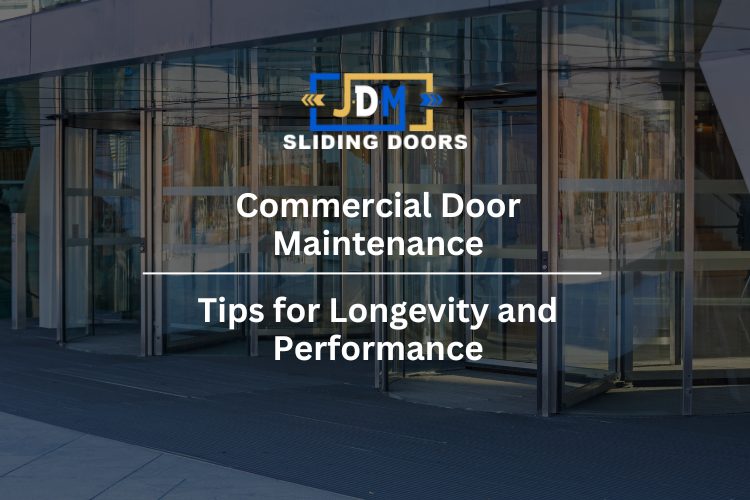
As a technician with years of hands-on experience in the installation and maintenance of commercial doors, I’ve seen how regular upkeep can significantly extend the life and performance of these essential components in any business. Proper maintenance isn’t just about avoiding costly repairs; it’s also about ensuring the safety, security, and smooth operation of your commercial space. In this blog, I’ll share practical tips and insights from the field that can help you keep your commercial doors in top shape for years to come.
1. Regular Inspections: The First Line of Defense
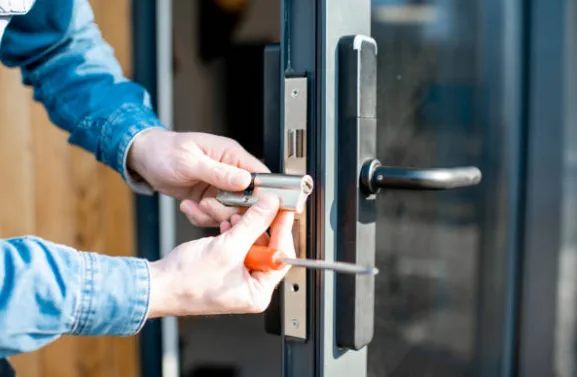
One of the most important steps in maintaining your commercial doors is conducting regular inspections. This might seem like a no-brainer, but you’d be surprised how often minor issues are overlooked until they become major problems. I always recommend setting up a routine inspection schedule: monthly is ideal for high-traffic areas, while quarterly might suffice for less-used doors.
During an inspection, check for signs of wear and tear, such as rust on metal parts, cracks in the door frame, or any unusual noises when the door is operated. Pay special attention to hinges, rollers, tracks, and seals. These components are critical to the door’s smooth operation and can be prone to damage due to frequent use.
Pro Tip: Keep a log of each inspection. Documenting what you’ve checked and any issues you’ve found will help you stay on top of maintenance and catch recurring problems early.
2. Lubrication: Keeping Things Running Smoothly
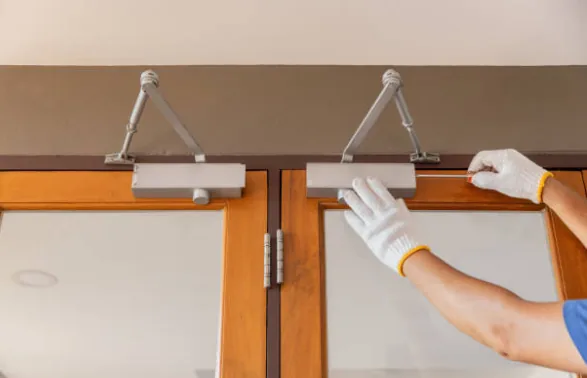
Lubrication is essential for ensuring that your commercial doors operate smoothly and quietly. Over time, friction between moving parts can lead to wear and tear, making it harder for the door to open and close properly. I’ve seen many cases where a door’s performance improved dramatically with just a bit of lubricant.
Focus on the key moving parts: hinges, rollers, and tracks. Use a high-quality lubricant designed for doors; silicone-based lubricants are often a good choice because they resist dirt and grime buildup. Apply the lubricant sparingly; too much can attract dust and cause gunk to accumulate, which could lead to more problems down the line.
Pro Tip: Avoid using WD-40 for lubrication; it is better suited for cleaning and removing rust, not for long-term lubrication. Instead, opt for a product specifically made for door hardware.
3. Tightening and Adjusting: Small Tweaks, Big Difference
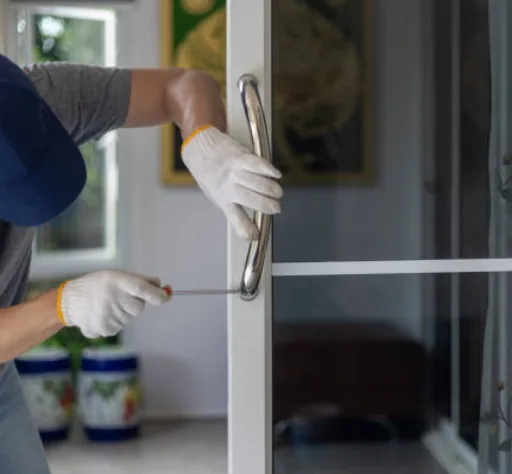
Another critical aspect of commercial door maintenance is tightening and adjusting the hardware. Doors that see heavy use can loosen over time, causing misalignment that affects their operation. I often find that a simple adjustment can restore a door’s functionality and prevent more significant issues.
Check the screws, bolts, and other fasteners on the door and frame. If you notice anything loose, tighten it up. Pay special attention to the hinges and rollers, as these are often the first to loosen due to the constant movement. Also, check the alignment of the door; if it is not closing properly or seems to drag, it might need to be realigned. In many cases, adjusting the hinges or the track can solve these issues.
Pro Tip: If your door is misaligned and continues to have issues despite adjustments, it may indicate a deeper problem, such as a warped door frame or worn-out hardware, which might require professional attention.
4. Weatherstripping and Seals: Protecting Against the Elements
Weatherstripping and seals play a crucial role in protecting your building from the elements, particularly for exterior doors. These components help keep out drafts, moisture, and pests while also contributing to energy efficiency by maintaining the internal temperature of your building. Over time, weatherstripping can wear out, crack, or become detached, which can compromise your door’s effectiveness.
Inspect the weatherstripping regularly and replace it if you notice any damage. It’s a relatively inexpensive fix that can save you money on energy bills and prevent damage caused by water or pests. Additionally, check the door’s bottom seal: if it is worn or missing, it’s important to replace it to prevent moisture and debris from entering your building.
Pro Tip: Choose high-quality weatherstripping that’s appropriate for your door’s material and the local climate. For example, rubber or vinyl weatherstripping tends to be durable and effective in most environments.
5. Professional Maintenance: When to Call in the Experts
While regular DIY maintenance is crucial, there are times when it’s best to call in a professional. Complex issues such as significant alignment problems, electrical malfunctions in automatic doors, or extensive wear and tear on critical components often require the expertise of a trained technician. Over the years, I’ve helped many clients avoid costly repairs by addressing small issues before they escalate.
Professional maintenance services can include more thorough inspections, advanced adjustments, and repairs that go beyond the scope of routine upkeep. Additionally, a professional can provide valuable advice on how to optimize the performance and lifespan of your doors, potentially saving you money in the long run.
Pro Tip: Consider scheduling annual or bi-annual professional maintenance checks. Even if everything seems fine, a trained eye can catch potential problems that might not be obvious during routine inspections.
Final Thoughts
Maintaining your commercial doors is an investment in the safety, efficiency, and longevity of your building. By conducting regular inspections, keeping hardware lubricated, making necessary adjustments, and protecting against the elements with proper weatherstripping, you can ensure that your doors remain functional and reliable for years to come. And when in doubt, don’t hesitate to reach out to a professional for help.
At JDM Sliding Doors, we’re here to support you with all your commercial door service needs, from routine maintenance to complex repairs. Our experienced technicians are dedicated to keeping your doors in peak condition, so you can focus on running your business without worrying about the details.
For more on choosing the right doors for your space, see our guide to the Top 5 Commercial Door Solutions for High-Traffic Areas. If you’re dealing with automatic doors specifically, our Automatic Door Repairs guide covers common issues and fixes. And for businesses that need to meet accessibility requirements, check out Everything You Need to Know About ADA Compliant Doors.
Contact us today for a free maintenance assessment or book an appointment to schedule service.