Pocket doors are great space-savers — until they stop working. Whether your pocket door is stuck inside the wall, jumped off its track, or just won’t slide smoothly anymore, the fix is usually simpler than you think. Most pocket door problems come down to three things: dirty tracks, worn rollers, or misaligned hardware.
This guide walks you through every common pocket door problem and how to fix it yourself, from basic cleaning and adjustment to roller replacement and track repair. We’ll also cover what it costs to have a pro handle the job when DIY isn’t enough.
Quick diagnosis: match your symptom to the fix
| Symptom | Most likely cause | DIY difficulty | DIY cost | Pro cost |
|---|---|---|---|---|
| Sticks or drags when sliding | Dirty track, worn rollers | Easy | $5–$15 | $75–$150 |
| Jumped off the track | Bent track or worn roller hooks | Moderate | $15–$50 | $100–$250 |
| Won’t fully close or open | Track not level, broken detent | Easy | Free–$15 | $75–$150 |
| Stuck inside the wall | Debris in cavity, screw intrusion | Hard | $20–$80 | $150–$400 |
| Drags only in summer | Humidity warping the door | Hard | $50–$200 | $200–$600 |
| Door swelled and won’t slide | Wood door has absorbed moisture | Hard | $50–$200 | $200–$600 |
| Falls off track repeatedly | Worn rollers OR sagging track | Moderate | $20–$80 | $150–$400 |
Operator insight: In 18+ years of pocket door repairs across South Florida, 70% of “stuck” pocket door calls turn out to be dirty tracks plus worn rollers — both of which are DIY fixes. Another 15% are humidity-warped wood doors (a South Florida specialty), which usually need full replacement. The remaining 15% are track damage requiring professional repair. Always start with cleaning and lubrication before assuming anything is broken.
How Pocket Doors Work
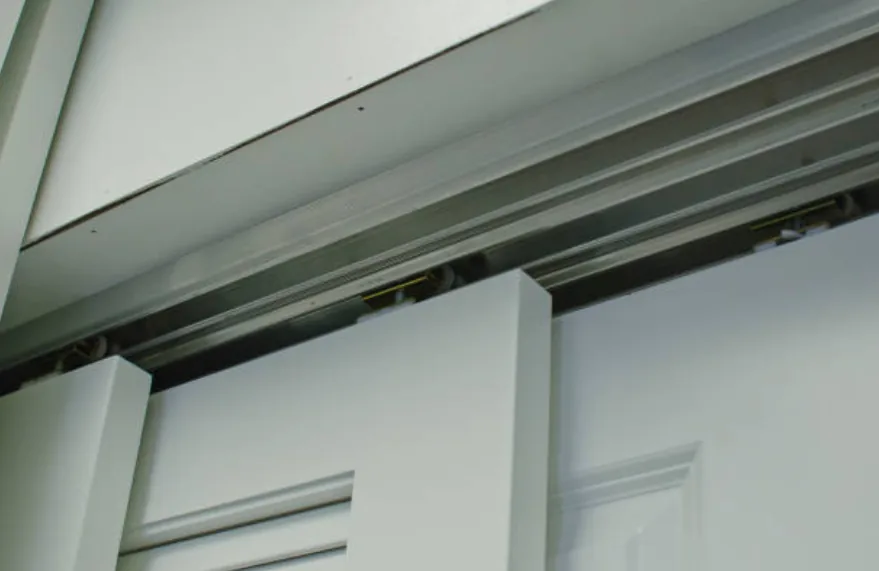
Before troubleshooting, it helps to understand the basic mechanics. A pocket door slides into a hollow cavity (the “pocket”) built inside the wall. The door hangs from rollers attached to a track mounted at the top of the pocket frame. When you slide the door, the rollers glide along this track, moving the door in and out of the wall.
Problems happen when:
- The track gets bent, dirty, or misaligned
- The rollers wear out, crack, or come loose from the door
- The door itself warps, swells from humidity, or shifts out of alignment
- Debris builds up inside the pocket cavity, blocking movement
The good news: you can diagnose and fix most of these issues without opening up the wall.
Tools You’ll Need
Before starting any pocket door repair, gather these tools:
- Screwdrivers (Phillips and flat-head)
- Pliers
- Adjustable wrench
- Level
- Silicone spray lubricant (not oil-based — oil attracts dust)
- Vacuum cleaner or compressed air
- Flashlight (to inspect inside the pocket cavity)
- Replacement rollers or track components (if needed)
How to Fix a Pocket Door That’s Sticking
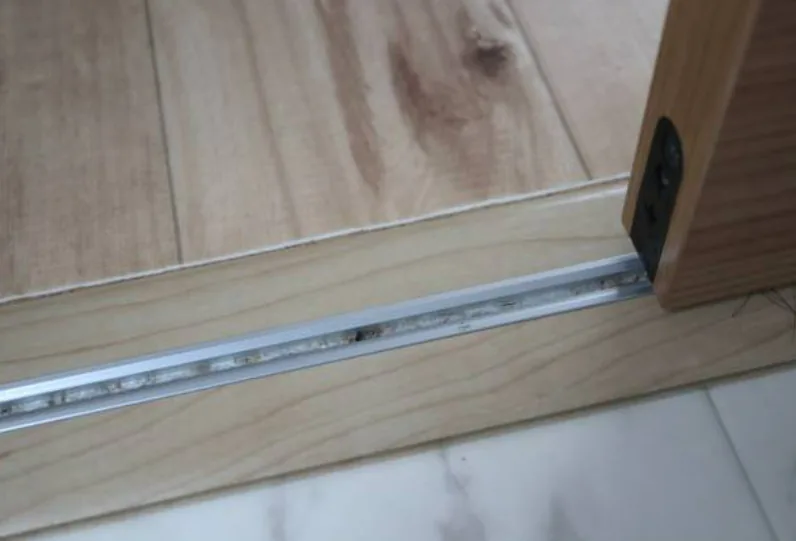
A sticking pocket door is the most common complaint. The door drags, requires force to move, or feels “gritty” when sliding. Here’s how to fix it.
Step 1: Clean the track. Dust, hair, pet fur, and construction debris accumulate in the track over time. Use a vacuum with a crevice attachment to clean the top track. If you can access the bottom guide, clean that too. Wipe the track with a damp cloth to remove stuck-on grime.
Step 2: Lubricate the track and rollers. Spray silicone lubricant along the entire length of the track and directly onto the rollers. Work the door back and forth a few times to distribute the lubricant. Never use WD-40 or oil-based products — they attract dust and make the problem worse within weeks.
Step 3: Check for obstructions. Shine a flashlight into the pocket cavity. Look for drywall screws that may have been driven into the cavity during renovations, paint drips, or debris that fell inside during construction. Even a small nail or screw protruding into the pocket can catch the door as it slides.
Step 4: Inspect the rollers. If cleaning and lubricating don’t solve the sticking, the rollers are likely worn. See the roller replacement section below.
For ongoing maintenance, clean the track and apply silicone spray every 3-6 months. This prevents most sticking problems before they start. See our 5 pro tips for cleaning and lubricating sliding door tracks for a deeper maintenance routine.
How to Fix a Pocket Door Off Track
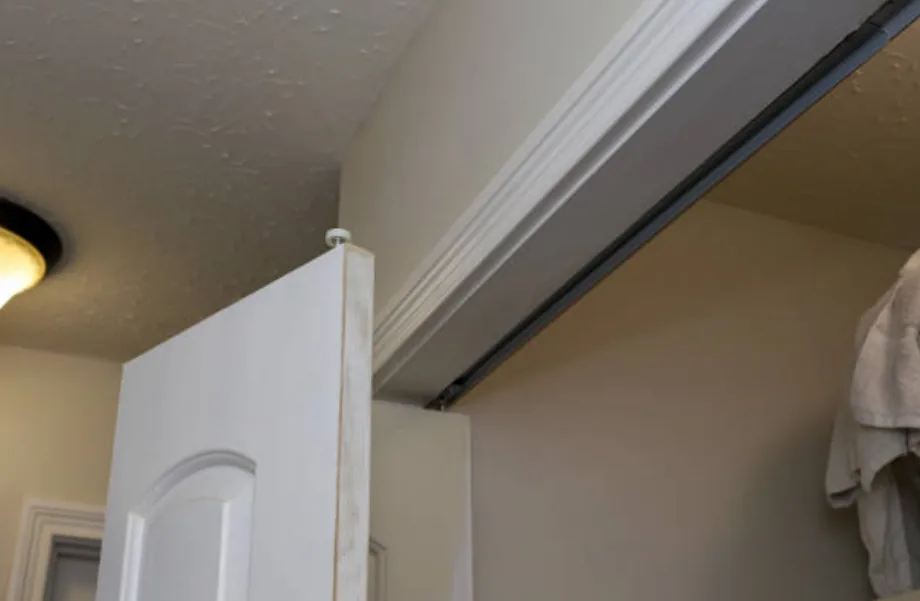
A pocket door that has jumped off its track is one of the most frustrating problems — the door tilts, jams, or gets stuck partway inside the wall. Here’s how to get it back on track.
Step 1: Remove the door trim (if needed). In many cases, you can access the top track without removing any trim. Look for an adjustment slot at the top of the door opening. If you can see the track and roller hangers from there, skip to step 2. If not, you may need to carefully pry off the door casing on one side to access the track.
Step 2: Lift the door. Grip the door firmly and lift it straight up. Most pocket door rollers are designed to hook onto the track — lifting the door disengages the rollers from the track. You may need a helper for heavy doors.
Step 3: Re-seat the rollers on the track. With the door lifted, guide the rollers back onto the track rail. You should feel them click or hook into place. Lower the door gently and test the movement.
Step 4: Check track alignment. Use a level against the track. If the track is bent, sagging, or not level, the door will keep jumping off. Adjust the mounting brackets or shims to level the track. Tighten all screws securely.
Step 5: Test the door. Slide the door fully open and fully closed several times. It should move smoothly without binding or tilting. If the door keeps coming off track, the rollers or track may be damaged and need replacement.
How to Fix a Pocket Door Off Track Without Removing the Frame
This is one of the most common questions we get. The answer depends on your specific door setup:
- Most modern pocket doors have an access opening at the top of the doorway. You can reach in with a screwdriver or your hand to adjust the roller brackets and re-seat the door without touching the frame or drywall.
- Older pocket doors (pre-1990s) sometimes require removing the top trim piece to access the track. This is usually a simple pry-off-and-reattach process — not a full frame removal.
- Only in rare cases — when the track itself is damaged inside the wall — do you need to remove drywall to access the full pocket cavity.
If you’re not sure whether your door can be fixed without opening the wall, contact our pocket door repair team for an assessment.
How to Adjust a Pocket Door
If your pocket door doesn’t hang level, rubs against the frame at the top or bottom, or won’t stay fully open or closed, it needs adjustment. Most pocket doors have built-in adjustment mechanisms that let you fine-tune the height and alignment without removing the door.
Adjusting door height:
- Locate the adjustment screws at the top of the door. These are usually accessible through the top of the door frame opening — you’ll see two brackets (one on each end) with a hex or Phillips screw.
- Turn the screw clockwise to raise that side of the door, counterclockwise to lower it.
- Adjust both sides until the door hangs level and has even gaps at the top and bottom.
Adjusting door position (lateral):
- If the door leans toward or away from the wall, check whether the roller brackets are bent or if the guide at the bottom of the door opening is misaligned.
- Straighten or adjust the bottom guide so the door sits centered in the opening.
- Tighten all adjustment screws once the door is properly aligned.
If the door won’t stay closed or open:
- Check that the track is perfectly level — even a slight slope will cause the door to drift.
- Install a magnetic catch (available at any hardware store for $5-15) to hold the door in the closed position.
- Some pocket doors have a built-in detent mechanism — check if it’s broken or needs adjustment.
How to Replace Pocket Door Rollers
Worn, cracked, or seized rollers are the #1 cause of pocket door failure. If cleaning and lubricating don’t fix the problem, roller replacement is the next step.
Step 1: Identify your roller type. Pocket door rollers come in several styles — tandem rollers, single-wheel rollers, and tri-wheel assemblies. Before buying replacements, remove one roller to match the style, size, and mounting type. Take it to the hardware store or search the part number online.
Step 2: Remove the door. Lift the door up to disengage the rollers from the track. Tilt the bottom of the door toward you and carefully remove it from the pocket. You’ll need a helper for heavy solid-core doors.
Step 3: Remove the old rollers. The rollers are usually attached to the top of the door with screws or a bracket system. Remove the screws and slide the roller assembly out. Note how it’s oriented — you’ll need to install the new ones the same way.
Step 4: Install the new rollers. Attach the new roller assemblies in the same position. Tighten the screws securely but don’t overtighten — you need the adjustment screws to remain functional.
Step 5: Rehang the door. Lift the door back into the opening, hook the rollers onto the track, and test the movement. Adjust the height and alignment using the adjustment screws on each roller bracket.
Pro tip: When replacing rollers, always replace both sets (front and back) at the same time, even if only one is visibly worn. Mismatched rollers cause uneven movement and accelerate wear on the new roller.
Pocket Door Track Repair and Replacement
If the track itself is bent, cracked, or severely worn, roller replacement alone won’t fix the problem. Here’s how to handle track issues.
Minor track repair:
- Use pliers to straighten small bends in the track
- Tighten any loose mounting screws
- Ensure all track joints are flush and aligned
Full track replacement:
- Remove the door from the pocket (see roller replacement steps above)
- Unscrew the old track from the header. Note the mounting hole positions.
- Align the new track with the existing mounting holes. Use a level to verify it’s straight before tightening all screws.
- Rehang the door and test for smooth operation.
- Adjust the roller brackets for proper height and alignment.
Track replacement is more involved than roller replacement and often benefits from professional installation to ensure proper alignment. Our technicians handle pocket door track and roller repair daily and can typically complete the job in under an hour.
How Much Does Pocket Door Repair Cost?
Pocket door repair costs vary depending on the problem:
| Repair Type | DIY Cost | Professional Cost |
|---|---|---|
| Cleaning & lubrication | $5–$15 (lubricant) | $75–$150 |
| Roller replacement | $15–$50 (parts) | $100–$250 |
| Track repair/replacement | $20–$80 (parts) | $150–$400 |
| Door re-alignment | Free (adjustment screws) | $75–$150 |
| Full pocket door replacement | $100–$500 (door + hardware) | $400–$2,500 |
When to DIY vs call a pro: Cleaning, lubrication, and basic adjustment are easy DIY tasks. Roller replacement is moderate difficulty. Track replacement and any repair that requires opening the wall cavity are best left to professionals — a mistake can damage the wall framing or make the problem worse.
For a free estimate on pocket door repair, contact JDM Sliding Doors or call us directly.
Florida-specific pocket door problems (humidity, salt air, hurricane prep)
Pocket doors in South Florida face two problems most national guides don’t address: humidity-induced wood swelling and track corrosion in coastal homes.
Humidity warping (the #1 South Florida pocket door issue)
Wood pocket doors absorb moisture from summer humidity and swell. The swelling is typically 1-3 mm thicker than winter dimensions, which is enough to bind the door inside the pocket cavity. If your pocket door slides perfectly fine in December and gets harder to use every July, this is almost certainly what’s happening.
Fix it:
- Short-term: Sand the leading edge of the door by 1-2 mm with 120-grit sandpaper. Reapply a moisture-sealing finish (polyurethane or marine-grade varnish) to all 6 sides of the door, including top and bottom edges. The bottom and top are usually unfinished from the factory and absorb the most moisture.
- Long-term: Replace wood pocket doors with fiberglass-core or engineered composite pocket doors. These don’t absorb moisture and maintain dimensions year-round.
If you live in a coastal Broward, Miami-Dade, or Palm Beach home built before 2010, your pocket doors are almost certainly wood and almost certainly experiencing some level of seasonal swelling. The fix above buys you 1-3 years; replacement is the durable solution.
Salt-air corrosion on hardware
Aluminum and steel pocket door tracks corrode in salt-laden coastal air. The corrosion shows up as white powder on the track surface and pitting on the rollers themselves. Once corrosion starts, the rollers will fail within 12-24 months.
Fix it:
- Clean the track with white vinegar (cuts mineral deposits without leaving residue), dry thoroughly, then apply silicone spray.
- For severe corrosion, replace track and rollers with stainless steel or brass alternatives. These cost 30-50% more but last 3-5x longer in coastal conditions.
- If you’re within 2 miles of the ocean, plan for hardware replacement every 5-7 years regardless of how well you maintain it.
Hurricane prep for pocket doors
Pocket doors don’t have a direct hurricane vulnerability (they’re interior, sheltered from wind and impact), but they can be damaged by water intrusion if a nearby exterior window or door fails during a storm. After any hurricane that causes interior flooding:
- Slide the door fully open and inspect the pocket cavity with a flashlight
- If you see water staining inside the cavity, open an inspection panel and dry it thoroughly — trapped moisture in the cavity will warp the door and rot framing
- For more on hurricane prep across your home’s openings, see our guide to top 7 reasons to change to impact windows in South Florida
Preventative Maintenance Tips
Keep your pocket door running smoothly with these habits:
- Clean the track every 3-6 months — vacuum out dust and debris, wipe with a damp cloth
- Apply silicone spray twice a year — spray the track and rollers to keep everything gliding smoothly
- Don’t slam the door — pocket doors are lighter than standard doors and their hardware is more delicate
- Check for screw intrusion after renovations — if anyone hangs shelves, TVs, or artwork on the wall adjacent to the pocket, make sure no screws penetrated into the pocket cavity
- Address sticking early — a pocket door that’s starting to stick will only get worse. Fix it before the rollers wear out completely.
Frequently Asked Questions
How do you fix a pocket door that is stuck in the wall?
First, try pushing and pulling the door gently while lifting slightly — sometimes the rollers just need to be re-seated. If that doesn’t work, check the top track access opening for obstructions. Look for drywall screws, paint buildup, or debris blocking the path. In most cases, you can free a stuck pocket door without removing any drywall. If the door is truly jammed inside the wall, it’s best to call a professional to avoid damaging the wall cavity.
How do you fix a pocket door off track without removing the trim?
Most modern pocket doors have adjustment access at the top of the door opening. Lift the door up, re-engage the rollers on the track, and adjust using the bracket screws. Older doors may require removing a small trim piece at the top, but rarely the full frame. See the detailed steps in our off-track section above.
How much does it cost to fix a pocket door?
Basic repairs like cleaning and lubrication run $75-$150 if you hire a pro, or under $15 in materials for DIY. Roller replacement costs $100-$250 professionally. Track replacement runs $150-$400. Full pocket door replacement (new door, hardware, and installation) costs $400-$2,500 depending on door type and wall modifications needed.
Can you repair a pocket door without removing the wall?
Yes — the vast majority of pocket door repairs can be done without removing drywall. Roller replacement, track adjustment, and re-alignment are all accessible through the door opening or the top access slot. Only severe track damage deep inside the wall cavity requires opening the wall, and even then, a small access panel is usually sufficient.
Why does my pocket door keep going off track?
Repeated derailment usually means one of three things: the rollers are worn and no longer grip the track properly (replace them), the track is bent or sagging (straighten or replace it), or the door has warped from humidity changes (common in bathrooms — you may need a new door). If the problem persists after addressing all three, schedule a professional inspection.
What type of lubricant should I use on a pocket door?
Always use silicone-based spray lubricant on pocket door tracks and rollers. Silicone stays slick without attracting dust and debris. Never use WD-40, cooking oil, or petroleum-based lubricants — they dry out quickly, leave residue, and attract grime that makes the problem worse.
Why does my pocket door work fine in winter and stick in summer?
This is the most common South Florida pocket door issue. Wood doors absorb moisture from summer humidity and swell 1-3 mm thicker than their winter dimensions, which is enough to bind the door inside the pocket cavity. The short-term fix is sanding the leading edge by 1-2 mm and sealing all 6 sides of the door with a moisture-resistant finish. The long-term fix is replacing wood with fiberglass-core or engineered composite pocket doors that maintain dimensional stability year-round.
Are pocket doors a problem in coastal Florida homes?
Coastal pocket doors face two specific issues: humidity-induced wood swelling (causes seasonal sticking) and salt-air corrosion of aluminum or steel tracks and rollers (causes premature hardware failure within 5-7 years). If you live within 2 miles of the ocean in Broward, Miami-Dade, or Palm Beach, expect to replace pocket door hardware on a 5-7 year cycle and consider upgrading to stainless steel or brass tracks for 3-5x longer life. For a full diagnosis specific to your home, contact our pocket door repair team for a free assessment.