Expert Maintenance Tips from JDM Sliding Doors
Sliding doors are a staple of modern homes and commercial spaces, offering space-saving functionality, sleek aesthetics, and easy access to the outdoors. But over time, the performance of your sliding doors can degrade. This often comes down to one overlooked issue: a dirty track and dry, neglected rollers.
Keeping a sliding door moving comes down to two habits: a track you keep clean, and rollers you keep lubricated. Those are two different jobs, and mixing them up is the most common mistake we see. Here are five tips for getting both right, at home or at a business.
Key Points:
-
Dirty tracks are one of the most common causes of sliding door malfunctions.
-
Regular cleaning and lubrication improve performance, extend door life, and reduce long-term repair costs.
-
Using the right tools and lubricants is critical for optimal results.
-
Commercial and residential door tracks require different levels of care.
-
Professional repair services are available for doors that need more than basic maintenance.
1. Remove Debris Regularly to Prevent Track Blockages
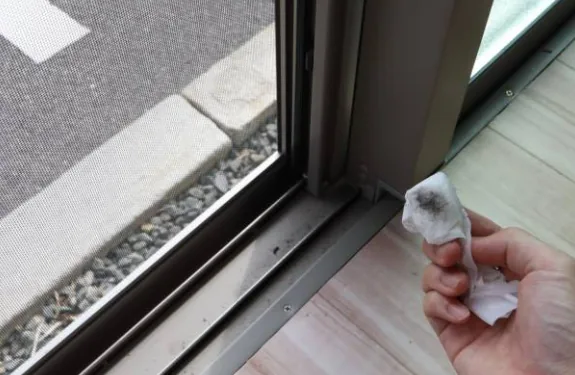
Dust, pet hair, sand, leaves, and even food crumbs can accumulate in the tracks and cause your sliding doors to stick, grind, or come off their rails entirely. If cleaning does not quiet the door, the sound itself narrows the cause, and what each sliding door noise means walks through it.
Pro Tip: Clean the tracks at least once a month or more frequently in high-traffic areas.
Steps to remove debris:
-
Vacuum loose dirt using a narrow nozzle or crevice tool.
-
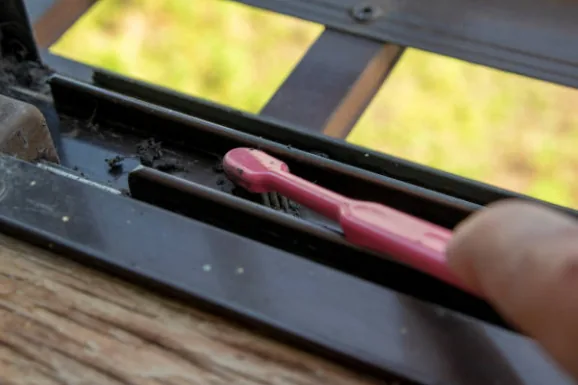
Use a small brush (like an old toothbrush) to dislodge packed-in debris from corners and edges.
-
Wipe the tracks with a damp microfiber cloth or sponge.
-
Dry thoroughly to avoid rust on metal tracks or mold growth in moist environments.
For heavy buildup or stubborn grime, use a mild soap solution; never use harsh chemicals like bleach or ammonia, which can corrode track materials.
If cleaning the tracks still doesn’t restore smooth movement, your door may need professional repair. Learn more about our sliding door repair services.
2. Inspect the Track for Damage or Warping
Regular visual inspections are just as important as cleaning. Damaged or warped tracks can lead to uneven movement, increased wear on rollers, and eventual breakdowns.
What to look for:
-
Bends or dents in aluminum or steel tracks
-
Cracks in vinyl or composite track materials
-
Misaligned or lifted track edges
-
Rust patches, particularly in humid climates
If you find any of these issues, it’s best to address them before they escalate. Some minor dents can be straightened using pliers or a rubber mallet, but deeper damage should be handled by professionals.
Commercial spaces may need more frequent inspections due to heavier usage. If you manage a business property, check out our specialized commercial door services for ongoing maintenance solutions.
3. Use the Right Lubricant, and Apply It Sparingly
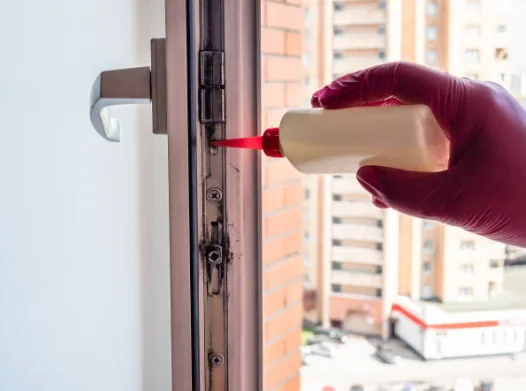
Not all lubricants are created equal. Many homeowners unknowingly use WD-40 or other petroleum-based products that attract dust and grime over time, making the problem worse.
The best lubricants for sliding door rollers and hardware are:
-
Silicone-based sprays: the usual choice for plastic and metal roller hardware
-
Dry Teflon lubricants: reduce friction without leaving a greasy residue that collects grit
-
Graphite powder: works on metal hardware and lock cylinders, but it is messy
Where the lubricant actually goes:
-
Clean and dry the track thoroughly. On a sliding glass door, that is all the track needs.
-
Do not spray lubricant into the bottom track of a sliding glass door. Andersen’s gliding patio door care guide is explicit about it: “Do not use lubricants on the track itself; this will cause the rollers to slide, not roll.” A wheel that slides develops a flat spot, and a flat-spotted wheel is a replacement, not a clean.
-
Apply the lubricant to the rollers and the moving hardware instead, sparingly, where you can reach them.
-
Open and close the door several times to distribute it, then wipe away any excess with a clean cloth.
Avoid over-lubricating. Too much product traps dirt and you end up back where you started. If the door is still noisy after a clean track, the sound tells you what failed, and what each sliding door noise means walks through it.
4. Clean and Check the Rollers
The rollers are the wheels or gliders attached to the bottom (and sometimes top) of the door that allow it to slide. If your door still struggles to move after cleaning the tracks, the rollers may be dirty or misaligned.
How to inspect and clean rollers:
-
Look, do not lift. Sliding glass panels are heavy, often impact rated, and take two people and the right tools to remove safely. Leave the panel where it is.
-
Check what you can see through the roller access ports at the bottom of the panel: wear, dirt buildup, or rust.
-
Brush out any debris you can reach around the housings.
-
Lubricate the rollers themselves with a small amount of a non-oil-based product, never the track.
If the rollers need to come out, that is a job for a technician with a second pair of hands.
If the rollers are cracked, uneven, or broken, they’ll need to be replaced. Our team of experts can help identify the right replacement parts and get your door gliding like new again.
5. Create a Seasonal Maintenance Schedule
Consistency is key. Instead of waiting until your door gets stuck, plan out a sliding door maintenance schedule that includes:
Monthly:
-
Vacuum and wipe down tracks
-
Quick check of door alignment
Quarterly:
-
Inspect rollers and clean if needed
-
Apply lubricant to the rollers, not the track
Annually:
-
Full system checkup (tracks, rollers, locks, handles)
-
Schedule professional inspection if needed
If you’re in South Florida, we recommend doing more frequent maintenance due to high humidity and salt air, which can accelerate wear on sliding doors.
Not sure what schedule fits your home or business? Get in touch with our team for a customized sliding door maintenance plan.
Why Sliding Door Track Maintenance Matters
Keeping the track clean and the rollers lubricated does more than make the door easier to open. It prevents the slow damage that turns a small parts job into a track replacement, and it keeps the door sealing the way it should.
Neglected tracks can lead to:
-
Door jams or stuck panels
-
Roller and track damage
-
Water intrusion or air leaks
-
Higher utility bills from poor seals
-
Complete door failure in severe cases
By following the five tips above, you can keep your doors gliding smoothly and avoid unnecessary service calls. A clean track also helps your weatherstripping last, so if you feel drafts or find bugs getting in, read why your sliding glass door lets in drafts, water, and bugs.
And when more than cleaning is needed, you don’t have to go it alone. JDM Sliding Doors offers expert repair services and full commercial door solutions throughout the region.
Get Professional Help When You Need It
Some sliding door issues are easy to fix on your own. Others require trained professionals with the right tools and experience. If you’re dealing with a door that’s constantly jamming, sagging, or difficult to move, it might be time to bring in the experts.
Contact us today through our online form to schedule a free consultation or book a service appointment.
JDM Sliding Doors: Florida’s Trusted Name in Sliding Door Repair and Maintenance
Optimize performance. Reduce friction. Extend the life of your doors with help from the pros at JDM.