A sliding glass door that drags, grinds, or barely moves is almost always a roller problem. The good news: patio door roller replacement is a realistic DIY project for most homeowners. The tricky part is knowing exactly how to replace sliding glass door rollers correctly, and recognizing the handful of situations where calling a professional will save you hours of frustration and potential damage to a door that costs thousands to replace.
What Are Sliding Glass Door Rollers, and Why Do They Fail?
Sliding glass door rollers (also called door wheels or roller assemblies) are small wheel carriages mounted at the bottom corners of your door panel. They sit inside the track channel and carry the full weight of the glass panel as it slides open and closed.
A standard residential sliding patio door weighs between 50 and 150 lbs. Every time you use it, those rollers bear that load while rolling over a narrow metal track. Over time, several things cause them to fail:
- Debris buildup: Grit, sand, and pet hair pack into the track and grind against the wheel surface. In Florida homes this is especially common near screened lanais and pools.
- Corrosion: In coastal and humid climates, salt air corrodes the metal axle pins and bearings inside the roller housing, causing them to seize or wobble.
- UV degradation: Plastic roller wheels exposed to Florida’s intense sun become brittle and crack over years of use.
- Heavy use: Doors used dozens of times per day wear rollers much faster than average.
- Improper adjustment: Rollers set at the wrong height put uneven pressure on the bearing, causing premature wear.
Left unaddressed, worn rollers also damage the aluminum track itself, turning a $30 roller fix into a much costlier track replacement. The Window & Door Manufacturers Association (WDMA) puts the functional lifespan of most residential rollers at 10 to 20 years under normal use, shorter in high-traffic or coastal environments.
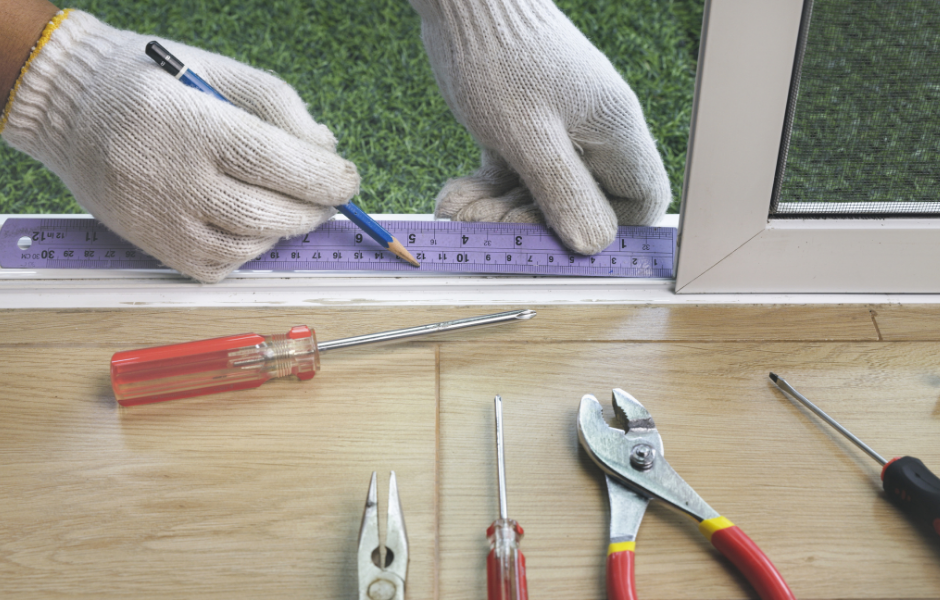
Diagnose the Problem Before Ordering Parts
Not every sluggish sliding door needs new rollers. If you are still confirming the problem, our guide to the signs your sliding door rollers are worn out covers what to look and listen for. Before buying replacement patio door rollers, rule out simpler causes first:
- Dirty track: Vacuum the channel, scrub with soapy water, rinse, dry, and apply a silicone lubricant. For a complete walkthrough, see 5 Pro Tips for Cleaning and Lubricating Sliding Door Tracks. If the door glides freely after, the rollers are fine.
- Height adjustment: Most rollers have an adjustment screw accessible through a port in the door’s bottom rail. If the door drags, it may simply need to be raised, with no replacement required.
- Bent or warped track: Run a finger along the track channel. Any bumps or bends will cause catching regardless of roller condition. A damaged track needs straightening or replacement, not new rollers.
- Frame damage: If the door frame is visibly twisted or the panel itself is warped, that structural issue is causing the bind. New rollers won’t fix it.
Quick diagnostic: Lift the door slightly by the handle while sliding it. If it moves freely when raised a fraction of an inch, the rollers are worn down and are no longer holding the door at the correct height. That confirms a patio door roller replacement is what you need.
Finding the Right Replacement Rollers for Your Door
This is where most DIY replacements go wrong. Sliding glass door rollers are not universal: they vary by manufacturer, door thickness, track profile, and wheel diameter. Installing the wrong roller is one of the most common reasons homeowners end up calling us after an attempted repair.
- Check the door brand: Look for a label on the interior side rail or head rail. Common brands include Pella, Andersen, JELD-WEN, Milgard, and PGT. Many sell replacement parts through their dealer networks.
- Find the model number: Usually stamped near the roller access hole. Use it to search the manufacturer’s parts finder or call their parts line.
- Measure the old roller: If you can’t ID the brand, remove one roller and measure the wheel diameter and overall cartridge dimensions. Even a ½” difference in wheel diameter will affect door height and track clearance.
- Note the wheel material: Steel-bearing rollers outlast nylon-only wheels, especially in coastal Florida environments. For a detailed comparison, read Top 5 Sliding Door Rollers for Long-Lasting Performance. Consider upgrading if your originals failed quickly.
Replacement assemblies are available at Home Depot, Lowe’s, and online retailers. Prices typically run $8 to $40 per roller depending on brand and material. When in doubt, contact JDM Sliding Door Repair and our team can identify the correct part for your door.
Tools and Materials You Will Need
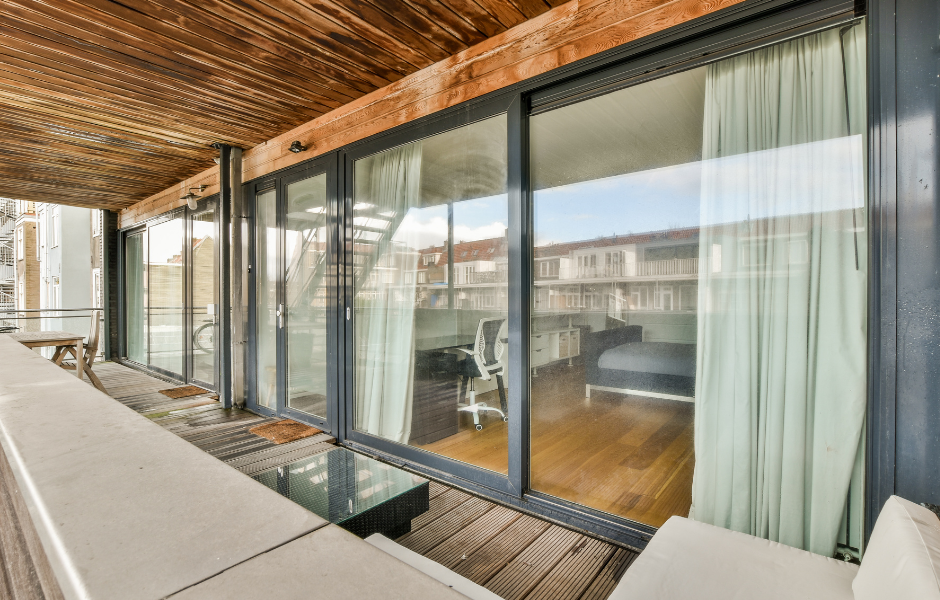
Gather everything before you start. Here is what a standard sliding glass door wheel replacement requires:
| Tool / Material | Purpose |
|---|---|
| Flathead & Phillips screwdrivers | Remove frame screws & roller covers |
| Pry bar or stiff putty knife | Lift door off track |
| Adjustable wrench | Loosen/tighten adjusting screws |
| Replacement roller assembly | New wheel / roller cartridge |
| Tape measure | Measure old rollers for correct match |
| Silicone-based lubricant | Lubricate track after installation |
| Vacuum / stiff brush | Clean track debris before reinstall |
| Helper (second person) | Safely lift & hold door panel |
⚠️ Safety note: Sliding glass door panels weigh 50 to 150 lbs. Never attempt to lift the door off the track alone. Always work with a second person to prevent the panel from tipping or falling. A dropped tempered glass panel is a serious hazard.
How to Replace Sliding Glass Door Rollers: Step-by-Step
The following steps apply to most standard residential sliding patio doors. If your door has a different configuration, consult the manufacturer’s guide before proceeding.

Step 1: Prepare the Work Area
Clear furniture and rugs from around the door on both sides. Lay moving blankets or old towels on the floor where you will set the door panel down. Remove any security bar from the track. Unlock and fully open the door.
Step 2: Clean the Track First
Before touching the rollers, vacuum the bottom track channel thoroughly. Scrub it with a stiff brush and soapy water, rinse, and dry. A clean track makes reinstallation easier and lets you spot any damage to the channel. Skipping this step leads to new rollers wearing out faster than they should.
Step 3: Locate and Access the Roller Adjustment Screws
At the bottom corners of the door’s interior face you will find small plastic plugs hiding the roller access holes. Pry these out with a flathead screwdriver. Behind each hole is an adjustment screw (usually Phillips) that controls roller height.
Turn the adjustment screws counterclockwise to fully lower the door panel. This gives you clearance to lift the panel out of the frame.
Step 4: Remove the Interior Door Stop
Most sliding doors have a fixed interior stop strip running the height of the frame on the inside. It is held by Phillips screws along its length. Remove the screws and set the strip aside.
On some door models the panel can be tilted out from the bottom once the rollers are fully lowered without removing the stop. Check the manufacturer’s technical documentation if you are unsure.
Step 5: Lift the Door Panel Off the Track
With one person on each side, lift the panel straight up until the rollers clear the bottom track, tilt the bottom of the panel toward you, and swing it out. Carry it to your prepared surface and lay it flat.
If the door resists, confirm both adjustment screws are fully lowered and that the top guide is free.
Step 6: Remove the Old Roller Assemblies
With the door flat, locate the roller assembly at each bottom corner. Depending on the model, rollers are either secured by one or two screws through the bottom rail, clipped into a slot with a retaining clip, or part of a larger corner bracket. Remove accordingly.
Photograph the old rollers before discarding them. Note the wheel diameter, cartridge body width, and mounting style. This is your reference if you need to exchange a mismatched part at the store.
Step 7: Install the New Roller Assemblies
Seat the new rollers into the bottom rail in the same orientation as the originals: wheel facing down, adjustment port aligned with the access hole. Secure mounting screws finger-tight first, then tighten fully.
Before reinstalling the door, set the roller height to its lowest position (adjustment screws fully counterclockwise) to give maximum clearance.
Step 8: Reinstall the Door Panel
With your helper, tilt the top of the panel into the upper track guide first, then lower the bottom until the new rollers drop into the bottom track channel. The door should now hang and slide loosely. Reinstall the interior door stop strip.
Step 9: Adjust the Roller Height
This is the most important finishing step. Turn both roller adjustment screws clockwise equally, raising the panel until:
- The door slides smoothly along the full track with light, even effort
- There is a consistent small gap (about 1/8”) between the door bottom and the track floor
- The door panel is parallel to the door frame; check the gap on the latch side from top to bottom
- The latch engages the strike plate cleanly without lifting or forcing
A quarter-turn of the adjustment screw moves roller height approximately 1/16”. Take your time, because a correctly adjusted door should glide with two fingers of effort.
Step 10: Lubricate the Track and Test
Apply a silicone-based lubricant (not WD-40, which attracts dirt) along the entire bottom track channel. Open and close the door 10 to 15 times to distribute the lubricant and seat the rollers. Test the latch, inspect the frame seal, and verify the lock engages properly. Replace the roller access port plugs.
Pro tip: Use a dedicated silicone spray lubricant rather than oil-based products. Silicone stays clean, does not gum up, and will not stain flooring. Lubricate the track every 6 to 12 months to significantly extend the life of your new rollers.
When to Call a Professional Instead
Knowing how to replace sliding glass door wheels is useful, but recognizing when a job exceeds DIY scope matters just as much. At JDM Sliding Door Repair we regularly see situations where a well-intentioned DIY attempt made things worse.
| Situation | DIY ✓ | Call a Pro ✓ |
|---|---|---|
| Rollers worn, track is clean & straight | ✓ Good DIY candidate | |
| Track is bent or corroded | ✓ Track work needed | |
| Door frame is warped or twisted | ✓ Structural issue | |
| Heavy commercial or multi-panel door | ✓ Weight & complexity | |
| Standard residential single panel | ✓ Manageable with helper | |
| Weather seal or lock hardware damaged | ✓ Safety & water risk | |
| Door still drags after new rollers | ✓ Underlying cause unknown |
Beyond the table, a few scenarios are clear “call a professional” situations:
- Cracked panel or broken glass seal: A compromised panel is a safety and energy-efficiency issue. Replacement, not roller repair, is the correct solution.
- Top track guide is damaged or missing: Without a functioning upper guide, the door can tip or jump off track, a serious hazard with a heavy glass panel.
- Cannot find matching rollers: Installing incorrect rollers can damage the track and door frame. A professional with a wider parts network can source the right hardware faster and more reliably.
- Door is more than 15 to 20 years old: Older aluminum frames may be fatigued around the roller mounting area. Forcing screws into degraded aluminum can strip the housing and make proper roller seating impossible.
Fort Lauderdale area homeowners: JDM Sliding Door Repair provides same-day and next-day appointments for sliding door roller replacement, track repair, and glass panel service throughout Broward and Palm Beach counties. Our technicians carry a wide inventory of roller assemblies for all major door brands and typically complete the repair in a single visit.
Visit slidingdoorrepairft.com to book a service appointment.
What Does Sliding Glass Door Roller Replacement Cost?

- DIY parts only: $15 to $80 for a pair of replacement roller assemblies depending on brand and material, plus $10 to $20 for silicone lubricant and any tools you do not already own.
- Professional service (labor and parts): Typically $150 to $350 for a standard residential sliding door roller replacement, including removal, installation, adjustment, and lubrication.
- Track repair or replacement: If the track is damaged, add $75 to $200 for straightening or replacement, another reason to address roller wear before it damages the track.
The ROI on timely roller replacement is strong. A dragging door stresses the frame and can cause glass seal failure, lock misalignment, and frame damage that costs far more than the original roller job. The National Association of Home Builders (NAHB) notes that sliding door component maintenance is one of the most cost-effective ways to prevent downstream structural damage in residential homes.
How to Make Your New Rollers Last Longer
- Clean the track monthly: Vacuum the channel and brush out any debris. Pay attention after storms or windy days that blow sand and grit into the track. Our Ultimate Sliding Door Maintenance Checklist for Coastal Homes covers everything you need to stay on top of.
- Lubricate every 6 months: A light coat of silicone spray on the track keeps roller wheels rolling freely and prevents wear on the axle pins.
- Never force a sticking door: Forcing a misaligned door accelerates roller and track wear. If it starts sticking, investigate rather than push harder.
- Check roller height annually: Door frames shift slightly as homes settle over time. An annual roller adjustment check keeps the door properly aligned.
- Inspect the bottom sweep: A damaged or compressed weather seal can drag on the track and create resistance that feels like a roller problem. Replace damaged weatherstripping before assuming the rollers are at fault.
Frequently Asked Questions
How do I know if my door needs new rollers or just cleaning?
If you thoroughly clean and lubricate the track and the door still drags, or you hear or feel grinding as it moves, the rollers are almost certainly worn. The lift test I described above, lifting the door slightly by the handle while sliding it, is the same field diagnostic our technicians use first on every call, and it is the most reliable way to confirm it before ordering parts.
Can I replace sliding glass door rollers without removing the door?
On most standard doors we work on, no, you can’t. The roller assembly mounts to the bottom of the panel, and in my experience you have to lay the door flat to get at it properly. A handful of models let you pull the rollers through the adjustment port without lifting the panel off the track, but that setup is uncommon in the homes we service.
My door has rollers on the top and bottom: do I replace both?
I recommend replacing both sets at once. The bottom rollers carry most of the weight and wear faster, but since you have already opened the door up, swapping the top set too is cheap insurance, and it is exactly what our technicians do so the customer isn’t calling us back six months later when the other set gives out.
How long does patio door roller replacement take?
A confident DIYer with a helper should plan on roughly 2 hours for a standard door, and first-timers should budget 3-4 hours to allow for the learning curve and careful height adjustment. When one of our technicians handles it, the same job is usually done in under an hour and same-day, because we carry the right rollers and have done thousands of these.
Are all sliding glass door rollers interchangeable?
No, and this is the single biggest mistake we see homeowners make before they call us. Rollers vary by wheel diameter, wheel material, cartridge body width, mounting screw pattern, and adjustment mechanism style. In the field we have pulled plenty of mismatched rollers that either chewed up the track or failed within weeks, so always match the part to your specific door brand and model number.
What if the door still drags after I replace the rollers?
If the door still drags or catches after new rollers, cleaning, lubrication, and proper height adjustment, in my experience the real culprit is a bent or corroded track, a frame alignment issue, or a damaged top guide. At that point stop forcing it and contact a professional so we can diagnose the underlying cause before any further damage is done.
Sliding Door Not Cooperating? We’re a Call Away.
JDM Sliding Door Repair serves Fort Lauderdale and all of South Florida with roller replacement, track repair, glass panel service, lock repair, and full door replacement for residential and commercial properties. Same-day service available.