Sliding doors offer convenience, space-saving functionality, and a sleek appearance. But over time, the performance of these doors heavily depends on one small but critical component: the rollers. High-quality rollers make all the difference in maintaining smooth operation and minimizing wear and tear.
If you’re tired of noisy, sticking, or misaligned sliding doors, it may be time to upgrade the rollers. In this guide, we’ll cover the top 5 sliding door rollers for long-lasting performance, helping you make informed choices that improve the functionality and durability of your doors.
At JDM Sliding Doors, we specialize in providing efficient, expert sliding door repair and can help you choose the right rollers for your specific door type.
Key Points
-
Rollers are critical to sliding door performance and longevity
-
High-quality rollers reduce friction, noise, and damage to tracks
-
Material and design matter: choose rollers based on door weight, location, and usage
-
Top 5 roller types include stainless steel, nylon, precision ball bearing, adjustable zinc, and concave steel rollers
-
Professional installation sets the alignment, which is what makes a new roller last
-
Signs of wear include hard operation, noise, and track misalignment; here are the full signs your sliding door rollers are worn out and what replacement costs
Why Roller Quality Matters
Before jumping into the top picks, it’s important to understand what makes a sliding door roller durable and reliable.
High-quality sliding door rollers:
-
Reduce friction for smooth gliding
-
Prevent track damage
-
Minimize noise
-
Support heavy glass panels without bending or breaking
-
Last longer, reducing the need for frequent replacements
Match the roller to the door and to how often it gets used, and the whole system lasts years longer.
Types of Sliding Door Rollers
There are five types of sliding door rollers in common use, and they are not interchangeable. What separates them is the wheel material, the bearing inside it, and whether the wheels come in pairs. Match the type to the weight of your panel and to where the door lives, not to what the hardware aisle has on the peg.
1. Stainless Steel Tandem Rollers
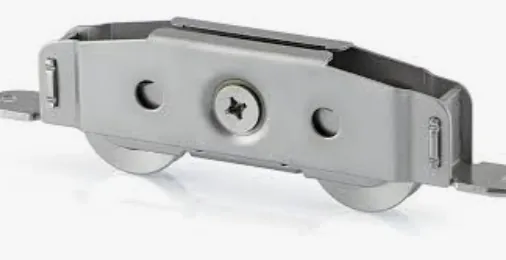
Best For: Heavy-duty sliding glass doors in coastal or humid environments
Stainless steel tandem rollers are built to handle extra weight and offer superior corrosion resistance, making them ideal for exterior doors exposed to the elements.
Key Features:
-
Dual-wheel design distributes weight evenly
-
Resistant to rust, even in salty air
-
Smooth and quiet operation
Why They Last: The stainless build resists rust and wear, and the tandem pair splits the weight across four wheels, so the track takes less of it.
2. Nylon Rollers with Sealed Bearings
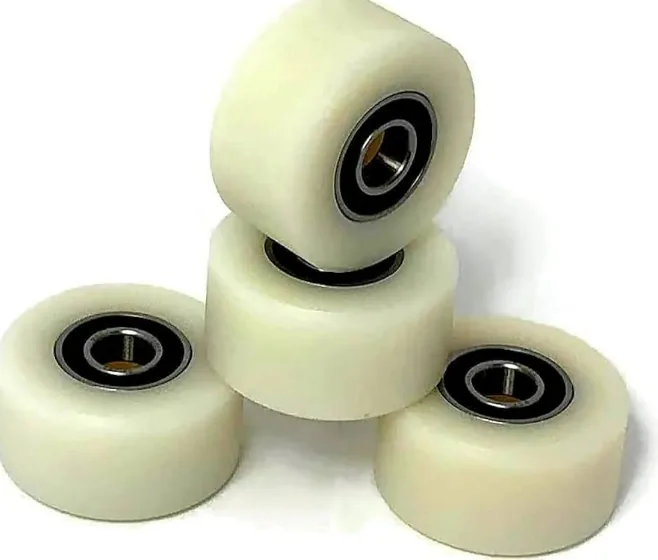
Best For: Interior sliding doors or light-duty applications
Nylon rollers are known for their quiet operation and floor protection. When paired with sealed bearings, they offer surprising longevity, even under moderate use.
Key Features:
-
Quiet, smooth motion
-
Non-marking on wood or laminate flooring
-
Sealed bearings keep out dirt and moisture
Why They Last: Sealed bearings reduce internal friction and block debris, preserving the roller’s smooth function over time.
3. Precision Ball Bearing Rollers
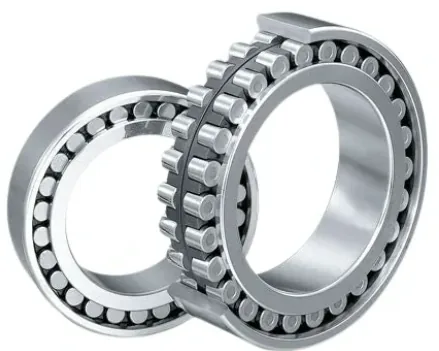
Best For: High-traffic residential or commercial doors
Rollers with precision ball bearings are built for constant use and keep rolling smoothly no matter what the panel weighs. These are common in office buildings and high-use patio doors.
Key Features:
-
High-quality bearing construction
-
Supports significant weight with ease
-
Suitable for aluminum and vinyl frames
Why They Last: The precision design allows for a durable, low-resistance roll that doesn’t degrade quickly under stress or repetitive use.
4. Adjustable Tandem Zinc Rollers
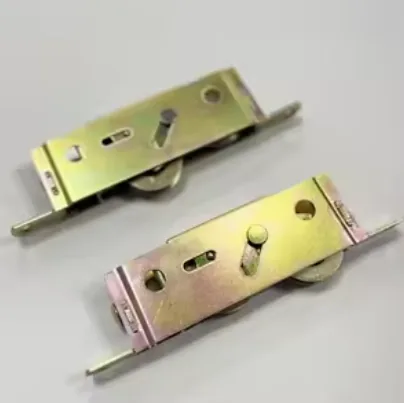
Best For: Versatile door systems that require height adjustment
These rollers are a favorite for doors that need fine-tuning after installation. The zinc housing offers a strong, corrosion-resistant frame without the higher cost of stainless steel.
Key Features:
-
Easy height adjustment for better door alignment
-
Zinc-coated housing resists oxidation
-
Tandem design adds extra durability
Why They Last: Being adjustable is what keeps the door level over the years, and a level door wears its track and frame more slowly.
5. Steel Ball Bearing Concave Rollers
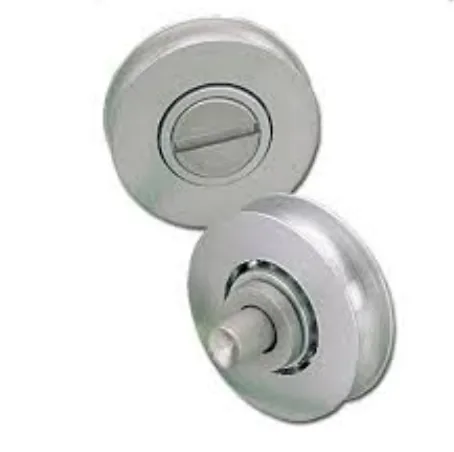
Best For: Heavy sliding glass doors and hurricane-rated systems
These heavy-duty rollers use concave wheels that sit snugly in rounded tracks, providing extra stability. They’re built to handle extreme weights, such as impact-rated or double-glazed doors.
Key Features:
-
Hardened steel wheel and bearing construction
-
Fits concave track systems perfectly
-
Excellent load-bearing capacity
Why They Last: Steel gives them the strength, and the concave face sits down into the rail so the wheel cannot climb out of it.
Signs You Need a Sliding Glass Door Roller Replacement
Even the best rollers won’t last forever. Look out for these signs that your sliding door rollers may need replacement:
-
Door is hard to open or close
-
Grinding, squeaking, or scraping noises
-
Door jumps off the track
-
Visible rust or damage on the rollers
-
Uneven or jerky motion
If you’re experiencing any of these issues, a professional sliding door repair technician can quickly identify and resolve the problem before it worsens. New rollers on a worn track wear out again fast, which is why a chewed-up channel usually needs a track cap fitted first.
Heavy Duty Sliding Door Rollers: When Your Door Needs Them
A standard roller is sized for a standard panel. Once you go to a wide two-panel slider, a three-panel unit, or impact glass, the weight of the panel climbs fast, and a roller rated for a lighter door flattens on one side within a couple of seasons.
Heavy duty rollers answer that with a larger wheel, a thicker housing, and a sealed bearing that can carry the load. Tandem versions spread the weight over four wheels instead of two, which is what belongs under an impact door.
You probably need them if the door has always felt heavy for its size, if the rollers you replaced two years ago are already dragging, or if the panel is wider than about five feet. Measure the panel and count the panes before you buy anything.
Commercial Sliding Door Rollers
Commercial sliders and the patio doors in rental and multifamily buildings run on the same parts and a completely different duty cycle. A patio door at home might open a few times a day. A door onto a pool deck at a condo opens hundreds of times, by people who do not own it.
That changes the choice. Stainless housings hold up where salt or chlorine is in the air, sealed bearings keep grit out where nobody is cleaning the track every week, and a tandem set spreads the load so the wheels flatten more slowly.
It changes the schedule too. On a building with several identical doors, doing the rollers on all of them in one visit costs less per door than one call at a time, and it puts every unit back on the same wear clock.
What a Roller Swap Does Not Fix
Rollers get blamed for problems that are not theirs. A door that binds only in the last few inches is usually a frame out of square, not a flat wheel. A door that will not lock is usually a latch sitting below its keeper, which is a height adjustment. A door that grinds on a clean track has a chewed-up running surface underneath, and new wheels on that surface are a short-term fix.
Check those three before buying anything. A roller set is cheap next to a second visit for the thing that was actually wrong.
How Long Sliding Door Rollers Last
Eight to fifteen years is the usual range on a residential patio door. Where a given door lands inside that range comes down to two things: how much the panel weighs, and what state the track is in.
Weight sets how hard the bearing works on every pass. Track condition sets what the wheel is rolling on. A pitted or gritty channel acts like sandpaper, and a wheel that is being sanded flat on every pass will not see ten years no matter what it cost.
Commercial and multifamily doors run shorter, often five to eight years, because they cycle far more often. A door nobody uses can outlast all of it and still fail, because a nylon wheel parked in one spot under load flattens on the side carrying the weight.
Why Professional Installation Matters
Installing rollers looks simple, and doing it badly can damage the door or void the warranty. A technician gets three things right:
-
Proper roller selection for your door size and material
-
Accurate alignment and track adjustment
-
Long-lasting performance without recurring issues
Our team at JDM Sliding Doors is trained to assess your door system and install the ideal rollers for smooth, safe operation.
If you’re unsure which roller is best for your door, or if you need help with a stubborn sliding system, contact us today to speak with a local specialist or schedule an inspection.
Final Thoughts
Choosing the right sliding door rollers is a small decision that can have a big impact on your home or business. Whether you’re dealing with heavy glass panels, interior sliders, or high-traffic commercial doors, investing in high-quality rollers will pay off in smoother motion, fewer repairs, and longer-lasting doors.
Here’s a quick recap of the top 5 sliding door rollers for long-lasting performance:
-
Stainless Steel Tandem Rollers for heavy outdoor use
-
Nylon Rollers with Sealed Bearings for quiet interior performance
-
Precision Ball Bearing Rollers for daily use and smooth gliding
-
Adjustable Tandem Zinc Rollers for customizable alignment
-
Steel Ball Bearing Concave Rollers for extreme durability
Still unsure what your door needs? Our team of experts is ready to help. Request a free consultation or learn more about our full range of sliding door repair services today.